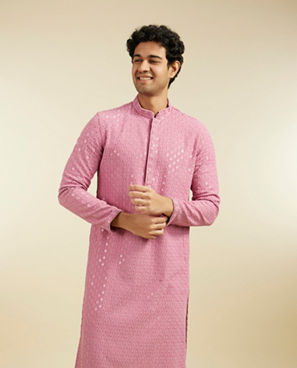
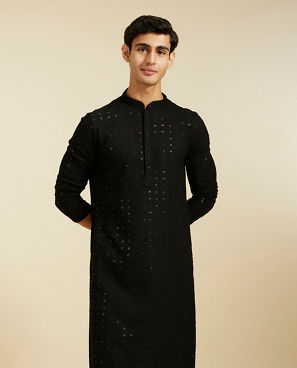
Chikankari Kurtas for Men – India's Most Loved Embroidery, Made for Every Celebration
Chikankari has been around for centuries; it originated in Lucknow and has never gone out of style. That's not a coincidence — Chikankari has stayed relevant because it does something that very few embroidery traditions manage: it's delicate enough to wear casually and detailed enough to hold its own at a wedding.
What Actually Makes Chikankari Special
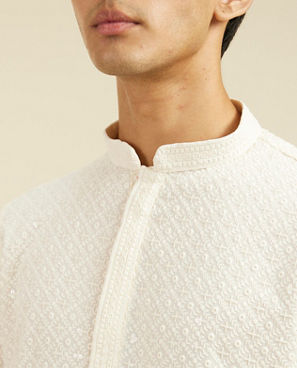
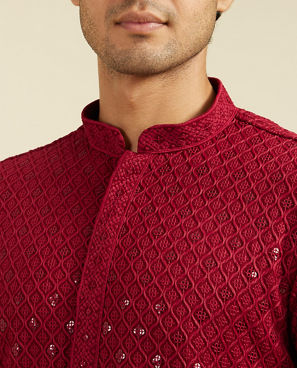
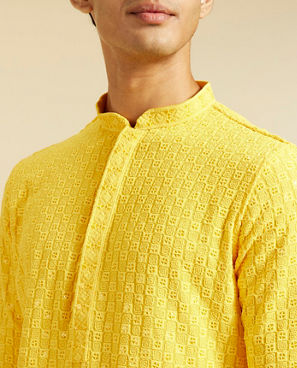
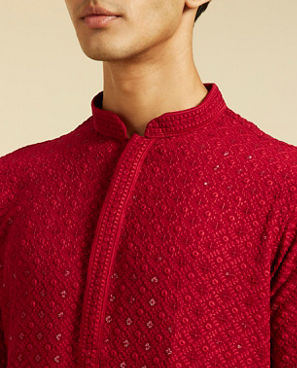
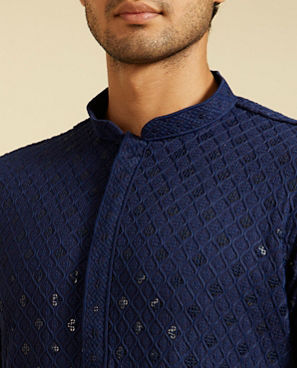
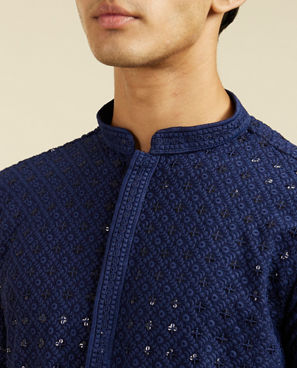
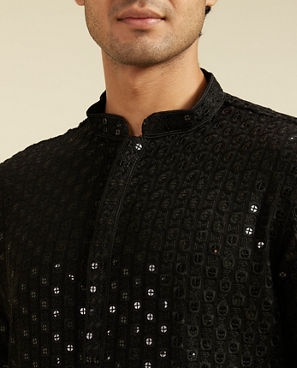
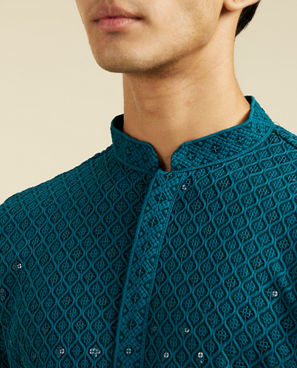
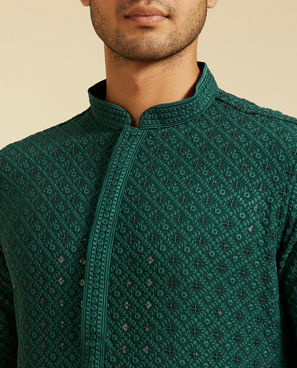
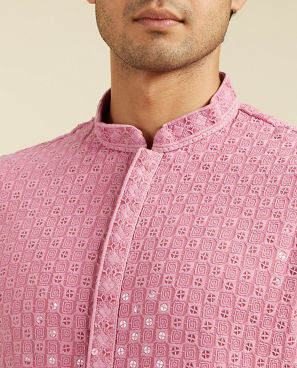
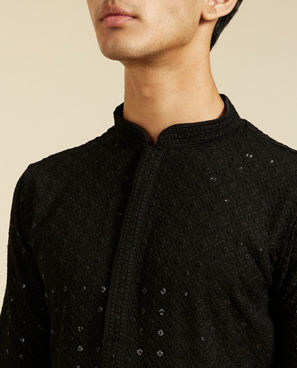
Chikankari is not just a pretty pattern — it's a specific craft tradition with real depth. Originating in Lucknow during the Mughal era, Chikankari uses white thread on fabric to create intricate designs through more than thirty distinct stitch types. Some stitches are raised and textured. Others work on the reverse of the fabric, creating a soft shadow effect on the front. Jali work creates fine, mesh-like openwork that looks almost lace-like. Phanda stitches form small, precise knots that add dimension to floral motifs.
The result is embroidery that reveals itself gradually — the closer you look, the more you see. That's what makes Chikankari genuinely special: it rewards attention without demanding it.
The Colors Chikankari Comes In
Traditionally, Chikankari was white thread on white or pale fabric. That's still a beautiful choice — and a timeless one. But today, Chikankari appears across a wide range of base colors, and each one gives the embroidery a different character.
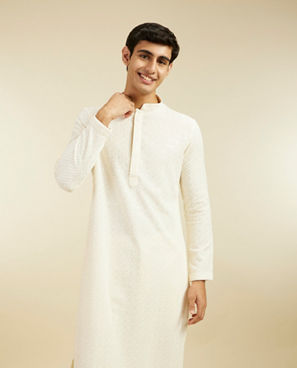
White and ivory bases are the most classic — the thread work is visible primarily through texture and shadow, creating a quiet, refined look that's perfect for formal and festive occasions.
Pastels — blush, powder blue, mint, lilac — give Chikankari a fresh, contemporary feel. These combinations work brilliantly for daytime celebrations, spring festivals, and casual occasions.
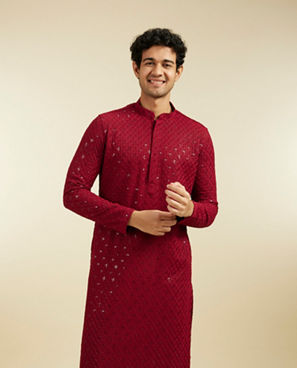
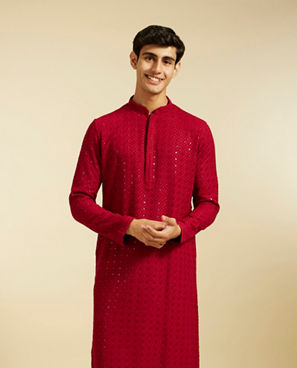
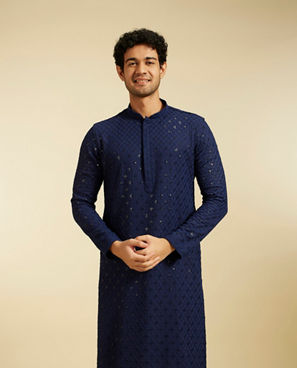
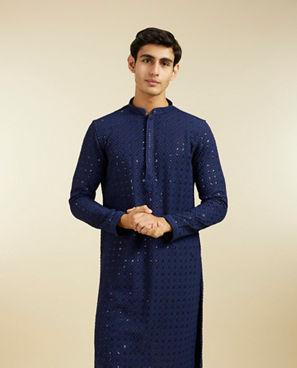
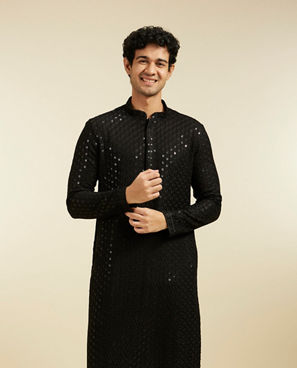
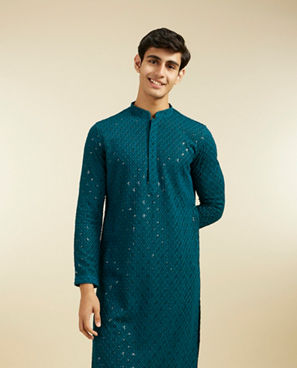
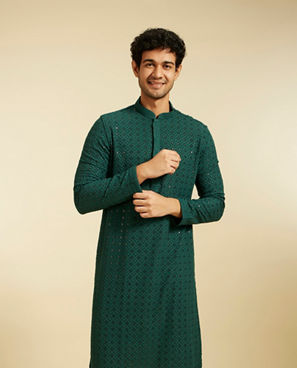
Deeper bases — navy, maroon, teal, forest green — create a bolder contrast between the white thread and the fabric. The embroidery reads more clearly, and the overall look feels more festive and occasion-ready.
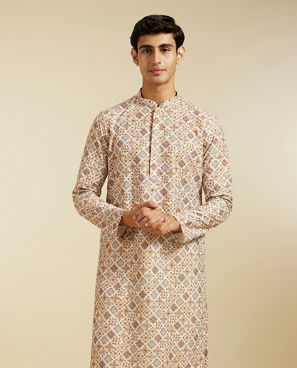
Beige and cream bases sit in a warm middle ground — the embroidery is visible without being stark, and the combination has a naturally refined, understated quality.
At Diwas, the Chikankari kurta range covers all of these color stories, so there's genuinely something for every taste and every occasion.
What to Wear It For
These are one of the most versatile pieces in men's wear — and that versatility is the main reason to own one.
Eid is perhaps the most natural occasion. The embroidery is celebratory without being heavy; the white threadwork feels clean and festive, and the overall look is exactly right for the occasion — refined, cultural, and put-together.
Weddings — particularly the mehndi, sangeet, and cocktail functions — welcome Chikankari easily. A Chikankari on a deeper base color with a Nehru jacket is a complete, well-dressed wedding function look that requires very little additional effort.
Navratri and Diwali — Chikankari in a pastel or vibrant base color brings the right festive energy to these occasions without the heaviness of heavier embellishments.
Casual and everyday occasions — a lightweight cotton kurta on a soft base color is genuinely appropriate for family lunches, relaxed gatherings, and everyday wear. It looks like you've made an effort, even when you haven't tried that hard.
Fabrics That Carry Chikankari Best
The fabric affects how the embroidery sits, how the color reads, and how comfortable it is to wear. Here's what to know:
Georgette is the most traditional base for Chikankari — its soft drape allows the embroidery to sit gracefully on the surface, and the fabric's fluid movement gives the kurta an elegant, relaxed quality.
Cotton gives you a firmer, more structured silhouette. It's breathable and practical — the best choice for daytime occasions and warmer weather.
Chanderi adds a gentle sheen and a lighter weight — ideal for festive occasions where you want the fabric to feel a little more elevated without going full silk.
Muslin is the most traditional and historically prized base for Chikankari — exceptionally fine, lightweight, and soft. It gives the kurta an almost antique elegance that's hard to find in other fabrics.
How to Style
The embroidery does the visual work here — keep the rest of the outfit clean and let it lead. White or ivory churidars are the most natural pairing — the neutral bottom wear lets the embroidery take center stage. Matching or tonal churidars — pairing a pastel kurta with churidars in the same color family creates a tonal look that feels modern and intentional.
Nehru jacket in ivory, white, or a complementary color for occasions that call for a more layered, formal look.
For footwear, embroidered juttis, kolhapuris, or simple leather mojaris all work depending on the occasion. Keep accessories minimal — the kurta has enough going on in the embroidery that heavy jewelry or accessories would compete rather than complement.
Chikankari Across Skin Tones
One of Chikankari's best qualities is how well it works across different skin tones — particularly because the color of the base fabric can be adjusted to suit the wearer.
On deeper complexions, deeper base colors — navy, teal, forest green — create a strong contrast that makes the white Chikankari embroidery pop with real clarity and impact.
On medium and olive skin tones, pastels and warm neutrals like beige and cream work harmoniously — the embroidery is visible, and the overall look feels natural and well-balanced.
On fairer complexions, the classic white-on-white or ivory base Chikankari creates an elegant, refined look — and bolder base colors add a strong, confident contrast that reads as polished and considered.
Why Every Wardrobe Needs at Least One
Chikankari kurtas are genuinely useful — not just beautiful. They work across a wider range of occasions than most ethnic pieces, they come in enough color and fabric options to suit different seasons and settings, and they have a craft heritage that gives them a lasting relevance that trend-driven pieces don't have.
A good kurta doesn't age. You'll wear it at Eid this year, at a wedding next year, and at a casual family gathering the year after that — and it will look right every single time. That's a strong case for at least one in your wardrobe. Ideally two.
On Camera, Chikankari Always Delivers
These kurtas photograph exceptionally well — the raised stitching and textured embroidery create a surface that catches light and shadow in ways that flat fabric cannot. In natural light, the thread work is crisp and detailed. In warm indoor lighting, the texture creates depth, making the garment look genuinely three-dimensional on camera.
For Eid photography, wedding function portraits, and festival content, a Chikankari kurta from Diwas adds a layer of craft and cultural authenticity to every photograph, elevating it beyond a simple outfit shot. Good light, a clean background, and a well-chosen kurta — that's really all you need.
Frequently Asked Questions (FAQs)
1. What is Chikankari embroidery, and where does it come from?
Chikankari is a traditional hand embroidery technique that originated in Lucknow, India, during the Mughal era. It uses white thread on fabric to create intricate patterns through more than thirty distinct stitch types — including shadow work, jali openwork, and raised phanda stitches. It's one of India's most celebrated and enduring craft traditions.
2. Are Chikankari kurtas suitable for formal occasions?
Yes — particularly in richer fabrics like chanderi or silk-blend on deeper base colours. This kurta paired with tailored churidars and a Nehru jacket is entirely appropriate for wedding functions, Eid celebrations, and other formal festive occasions. The craft of the embroidery provides the visual formality that the occasion requires.
3. How do I care for a Chikankari kurta?
Hand wash gently in cold water with a mild detergent, or dry clean for best results. Never wring the fabric — press out excess water and dry in shade. Iron on reverse or with a pressing cloth over the embroidery to protect the delicate stitching. Store carefully, away from sharp objects that could snag the thread work.
4. Can Chikankari kurtas be worn casually?
Absolutely. A lightweight cotton kurta on a soft pastel or neutral base is a great casual wear option — appropriate for family gatherings, religious occasions, and relaxed outings. The embroidery adds enough interest to make the outfit look considered without feeling overdressed.
5. What makes Chikankari different from other types of embroidery?
Chikankari is defined by its use of white thread, its specific stitch vocabulary of over thirty techniques, and its characteristic delicacy of execution. Unlike heavier embroidery styles that use metallic threads or dense surface coverage, Chikankari achieves subtlety and precision, making it one of the most refined and distinctly Indian embroidery traditions in men's wear today.
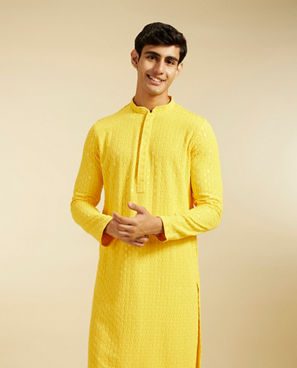
Yellow Chikankari Kurta | Cream Chikankari Kurta | Green Chikankari Kurta | Peach Chikankari Kurta | Pink Chikankari Kurta | Purple Chikankari Kurta | Red Chikankari Kurta | White Chikankari Kurta | Maroon Chikankari Kurta | Beige Chikanakari Kurta | Black Chikankari Kurta | Blue Chikankari Kurta