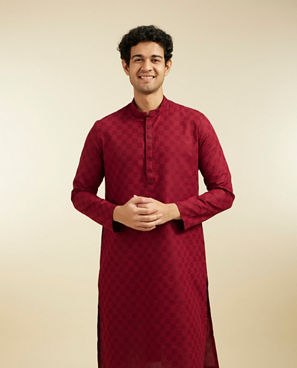
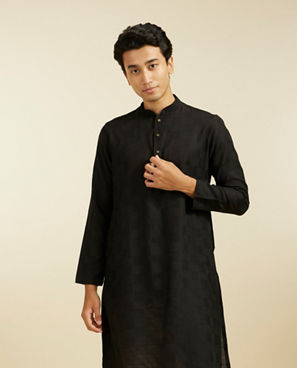
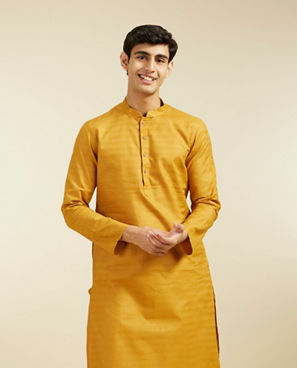
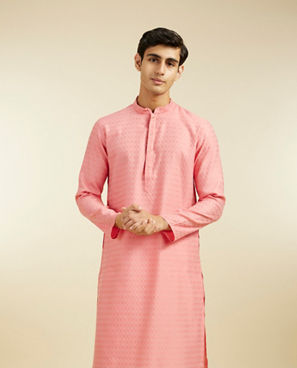
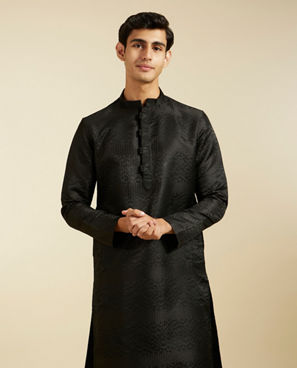
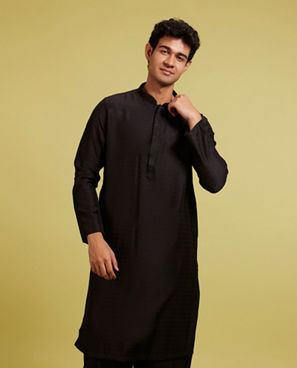
Textured Kurtas for Men – When the Fabric Is the Feature
Most conversations about kurtas start with color or embroidery. Texture rarely gets the attention it deserves, which is exactly why men who wear textured consistently look more considered than the men around them. A textured kurta doesn't announce itself through pattern or embellishment. It earns its distinction through the fabric itself — a surface that has depth, movement, and visual interest built directly into the weave. At Diwas, the textured kurta collection is for the man who understands that what a fabric feels and looks like is as important as what's printed or embroidered on it.
What Texture in a Kurta Actually Means
Texture in a kurta refers to the physical and visual character of the fabric surface — how it catches light, how it feels against the skin, and how it drapes differently from a smooth, flat weave. It's created through several different processes.
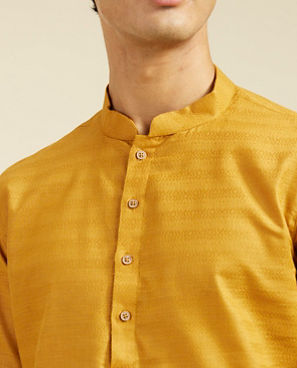
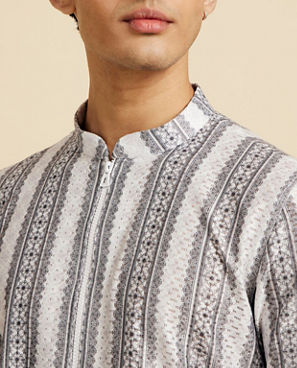
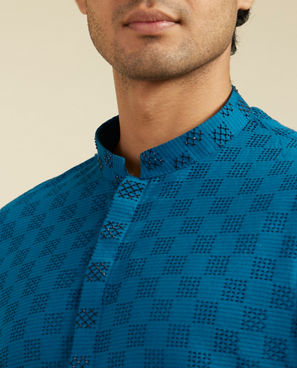
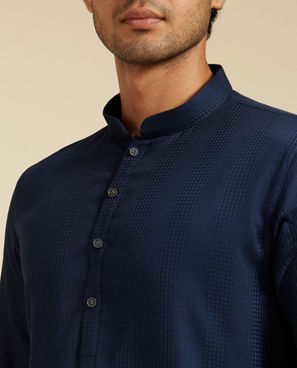
Dobby weave — geometric or small-scale patterns woven directly into the fabric structure. The pattern is part of the cloth itself, not applied to it. Dobby texture adds visual complexity to solid-color kurtas without introducing a second color or embellishment.
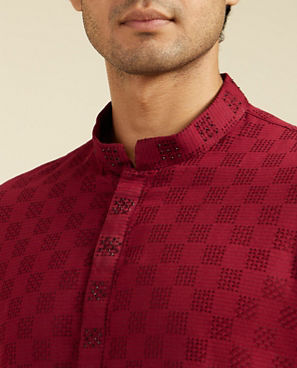
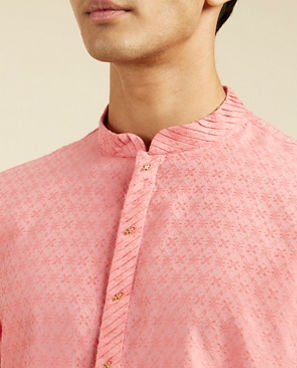
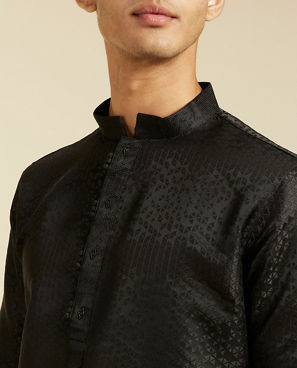
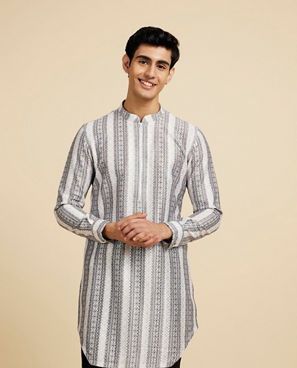
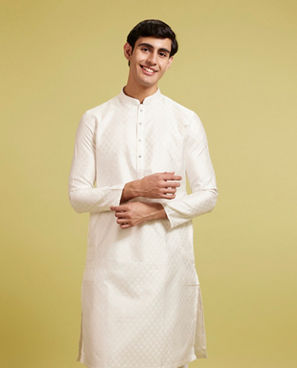
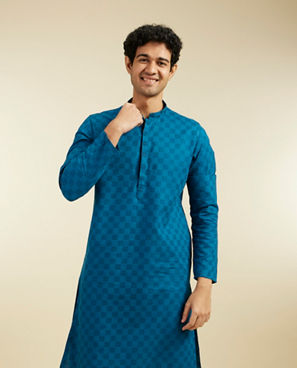
Jacquard weave — more complex than dobby, jacquard creates elaborate patterns — paisleys, florals, geometric lattices — woven into the fabric. In a single color, a jacquard kurta has a surface that shifts between matt and sheen depending on how the light hits it. In two colors, the pattern reads like woven embroidery.
Slub fabric — woven from irregular yarn that creates deliberate thick-and-thin variation across the surface. Slub texture is organic and slightly irregular — the fabric looks handcrafted even when it isn't. Popular in cotton and linen kurtas for its relaxed, artisanal character.
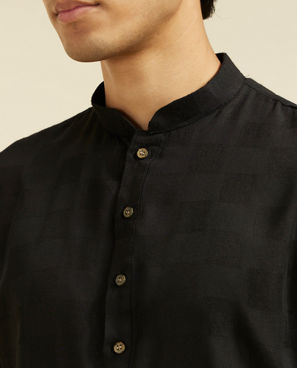
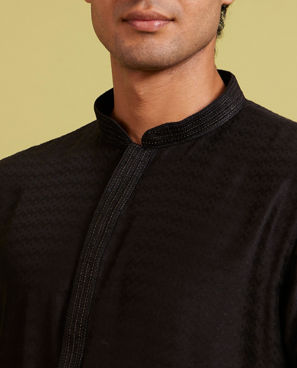
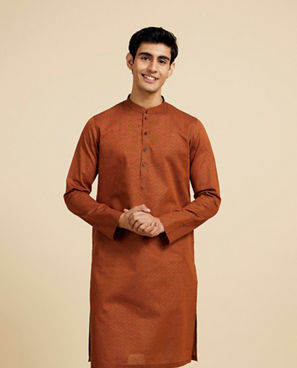
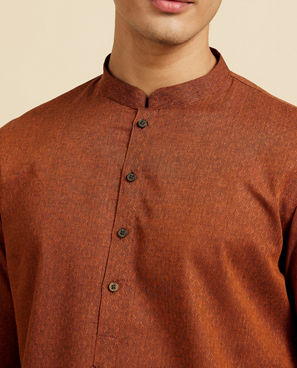
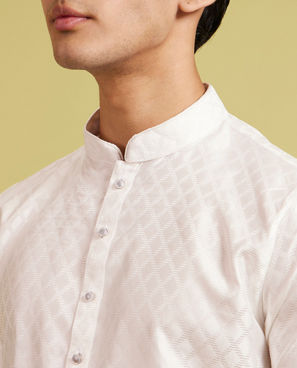
Self-print and tonal texture — where a pattern is applied in the same color as the base fabric, visible only as a surface sheen difference. The effect is subtle from a distance and detailed up close — the kurta that looks plain until you look carefully.
Crinkle and crushed textures — deliberately irregular surface treatments that create a relaxed, lived-in character. These work particularly well in casual and smart-casual contexts.
The Occasions Textured Kurtas Navigate Best
Textured kurtas occupy a specific and valuable space in the occasion spectrum — they are more interesting than plain solid kurtas and more restrained than heavily embroidered ones. This middle ground is where they are most useful.
For semi-formal occasions — office Diwali celebrations, cultural events, engagement parties as a guest, award functions — a kurta in chanderi or silk-blend hits exactly the right register. Dressed up enough to suit the occasion, understated enough not to overdo it.
For daytime wedding functions — mehndi, engagement ceremonies, morning rituals — a jacquard or dobby-weave kurta in a festive color is a sophisticated and low-key impressive choice. The texture provides the occasion-awareness that embroidery would in a heavier piece, but with significantly more lightness.
For Eid— a self-textured kurta in a quality fabric is one of the most considered Eid choices available. The kurta looks plain from across the room and extraordinary up close. That's a quality that rewards attention — and Eid is an occasion full of people who pay attention.
For casual everyday wear — slub cotton and dobby weave kurtas in neutral or mid-tone colors are among the most effortlessly stylish casual options in the range. The texture adds enough visual interest to make a simple, solid-color kurta look genuinely considered without requiring any additional styling effort.
Why Texture Matters Differently in Different Fabrics
The same textural technique reads very differently depending on the base fabric — and understanding this helps you choose a textured kurta for the right occasion.
Textured cotton — dobby weave and slub cotton — has an honest, organic quality. The texture is visible and tactile but never showy. This is the everyday and smart-casual end of this range — genuine craft at a practical, wearable level.
Textured linen — slub linen or linen-blend weaves — carries the most artisanal character. The natural irregularity of linen, combined with a textured weave, creates a surface that looks genuinely handcrafted. Best for casual and smart-casual occasions where an artisanal aesthetic is valued.
Textured chanderi — jacquard or self-print on chanderi — is where texture moves firmly into festive territory. The fabric's natural sheen amplifies the visual effect of the texture — the pattern catches and reflects light in ways that flat chanderi cannot. The right choice when you want the kurta to feel genuinely festive without embroidery.
Jacquard silk-blend — the most formal textured option. The interplay between the woven pattern and the silk's natural luster creates a surface of real visual complexity. In warm lighting — exactly the kind you find at wedding functions, and Diwali parties — a jacquard silk-blend kurta looks more expensive and more considered than almost anything else in the room.
Color Works Differently on Textured Fabric
This is worth knowing before you choose — texture changes how color reads on a kurta in specific ways.
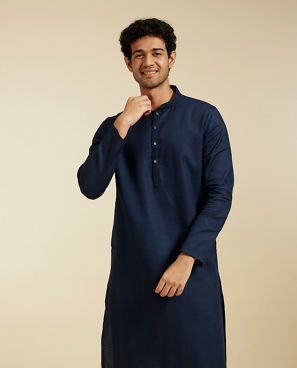
On textured fabric, a single color appears to have more depth than it does on a flat surface. The raised and recessed areas of the weave catch light differently, creating micro-variations of the same color across the fabric surface. A navy dobby kurta looks more interesting than a flat navy cotton — the color has layers within it.
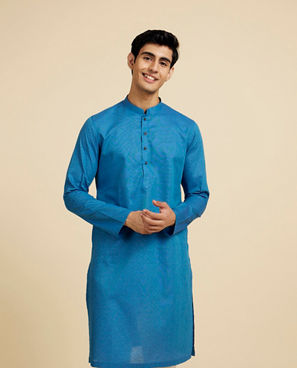
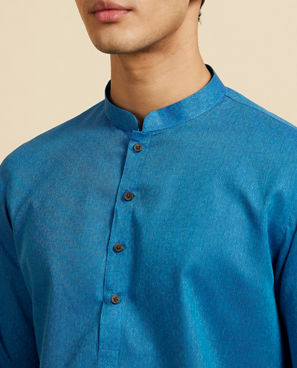
This means neutral and deep colors benefit most from texture. Ivory, Cream, and white textured kurtas have a luminosity that flat white cannot match. Navy, teal, and forest green in jacquard or dobby weave appear richer and more complex. Charcoal and grey in textured fabric have a sophistication that flat grey doesn't quite achieve.
Lighter, brighter colors in textured fabric — yellow, blush, coral — take on a softer, more diffused character that suits spring festival and daytime occasion dressing particularly well.
Pairing: What Works Below
Because they already have visual interest built into the fabric, the bottom wear should be clean and simple.
Smooth, flat-weave churidars or pajamas in ivory, white, or cream are the most complementary choice — the contrast between the kurta and the smooth bottom wear highlights the fabric's surface interest without competing with it.
Matching fabric sets — where the kurta and pajama are both in the same textured fabric — create a particularly cohesive and complete look. This works especially well with jacquard and dobby sets where the weave pattern runs consistently through both pieces.
Avoid heavily printed or embroidered bottom wear — two competing surface interests in the same outfit rarely work. Keep the bottom half simple and let the fabric lead.
For footwear, tan juttis and leather mojaris suit textured kurtas in earthy and neutral tones. Embroidered or metallic juttis work for festive occasions, with textured fabrics such as chanderi or silk-blend.
The Photography Case
Textured kurtas photograph better than most men realize — and the reason is specific. Smooth, flat fabrics read as one-dimensional on camera. Textured surfaces create micro-shadows and highlights that give the fabric depth in photographs — the kurta appears three-dimensional in a way that flat fabrics simply don't.
In natural light, slub cotton and textured linen kurtas photograph with an organic warmth that suits outdoor celebration settings. In warm artificial lighting — the standard for wedding and Diwali photography — jacquard and chanderi kurtas catch the light across their surfaces, creating images of genuine visual richness.
For reels and social media content, these kurtas reward close-up shots that show the fabric details — details that look impressive and considered to any viewer who knows what they're looking at.
FAQs
1. What is the difference between a textured kurta and an embroidered kurta?
An embroidered kurta gets its surface detail from thread work applied on top of the fabric — zari, Chikankari, resham. A textured kurta gets its surface detail from the weave of the fabric itself — dobby, jacquard, slub. Embroidery is additive; texture is structural. Textured kurtas tend to be more subtle and versatile; embroidered kurtas carry more festive weight and occasion-specificity.
2. Are textured kurtas appropriate for formal occasions like wedding receptions?
Yes — particularly jacquard silk-blend textured kurtas in deep colors. The woven surface pattern provides the visual complexity and craft that formal occasions require, without the heaviness of dense embroidery. A charcoal or navy jacquard kurta at a wedding reception is a sophisticated and impressive choice that holds its own in even the most dressed-up rooms.
3. How do I identify a dobby weave versus a jacquard weave in a kurta?
Dobby weaves create small, geometric, repeating patterns woven into the fabric — typically simple shapes like dots, diamonds, or small florals. Jacquard weaves can create much more complex and elaborate patterns — large-scale paisleys, intricate florals, and detailed geometric lattices. Jacquard requires more complex loom technology and generally produces a more premium-looking result.
4. Do textured kurtas require special care?
The care requirements depend more on the base fabric than the texture itself. Cotton dobby and slub kurtas can be machine-washed on a gentle cycle. Chanderi and silk-blend jacquard kurtas should be dry cleaned or hand-washed carefully in cold water. The key for all textured fabrics is to avoid harsh wringing or mechanical agitation that can distort the weave structure over time.
5. Can a plain, untextured pajama be worn with a jacquard kurta, or should they match?
A plain pajama in ivory or cream works very well with a jacquard kurta — the contrast between the textured surface of the kurta and the smooth finish of the pajama actually highlights the fabric interest of the kurta more effectively than a matching textured set would. Both approaches work; the smooth contrast pajama is the more common and more versatile choice.









_12-09-2026-06-28:Swatch)