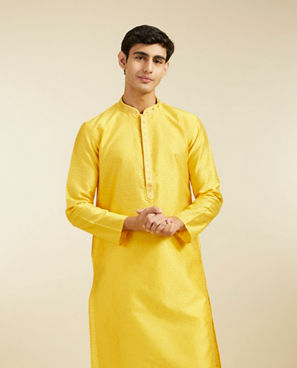
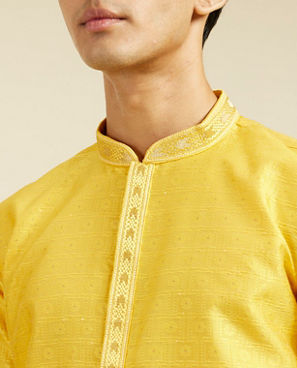
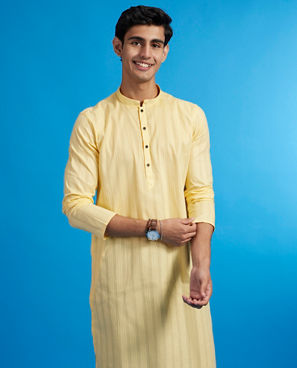
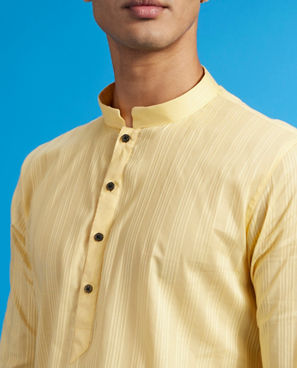
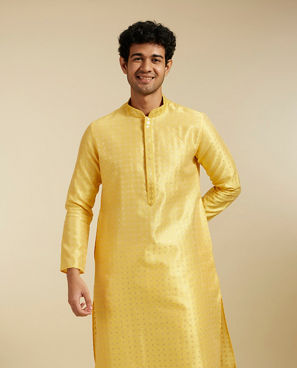
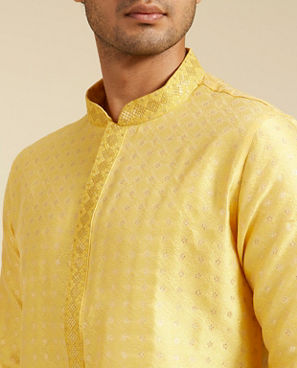
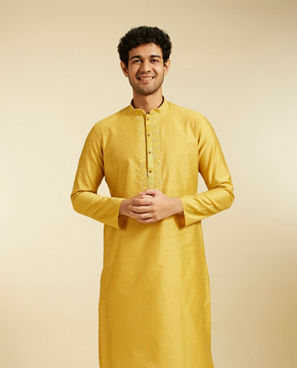
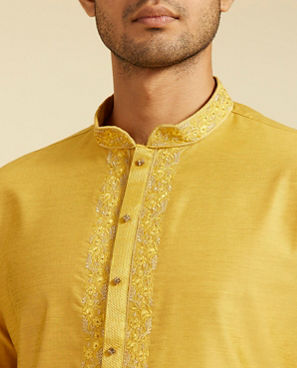
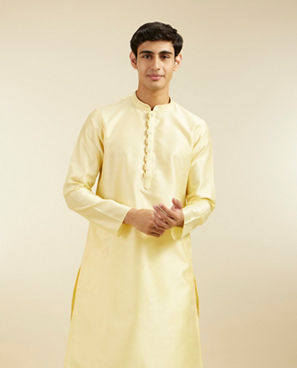
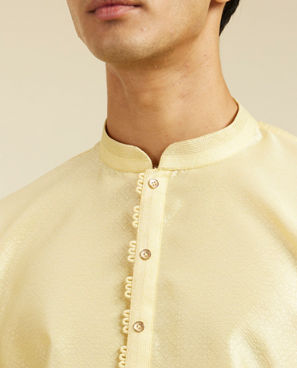
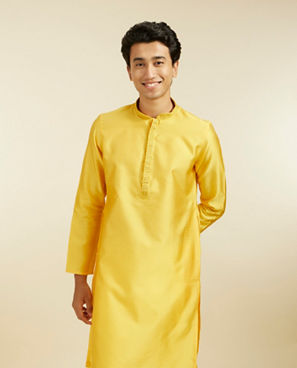
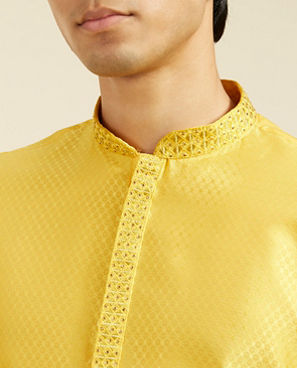
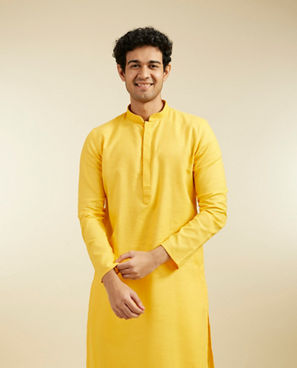
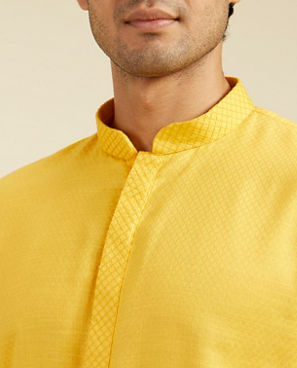
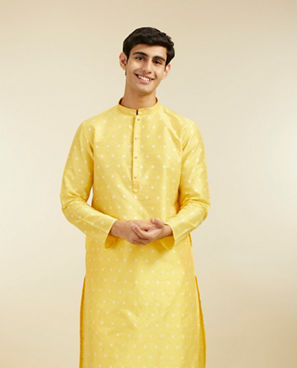
Yellow Kurtas for Men – The Color That Celebrates Itself
Yellow doesn't need an occasion to justify it — but India gives it plenty anyway. Haldi ceremonies, Basant Panchami, Vishu, Baisakhi, Ugadi, Gudi Padwa — yellow shows up at more Indian celebrations than almost any other color, and every single time it shows up, it looks right. It's warm, it's joyful, and it photographs like nothing else in natural light. At Diwas, the yellow kurta collection is built for the man who wants to wear the season's most celebratory color — in shades, fabrics, and styles that work across the full range of India's spring and festive calendar.
Yellow in Indian Celebration Culture: It's Everywhere for a Reason
Yellow's presence in Indian celebrations is not accidental — it runs deep.
Turmeric — haldi — is yellow, and it's been applied to brides and grooms at weddings across India for centuries. The haldi ceremony is literally named for the color, and the man who shows up wearing yellow to one is participating in the occasion's own visual language. Basant Panchami is a festival of yellow mustard fields in bloom, yellow clothes, yellow sweets, and yellow flowers. Vishu's kani display features golden cucumbers, yellow flowers, and items of abundance — wearing yellow on Vishu is dressing in the festival's own palette. Ugadi and Gudi Padwa both welcome yellow as a color of new beginnings and prosperity.
Navigating the Yellow Spectrum
Yellow covers a wide range of shades, and each one brings something different to the occasion.
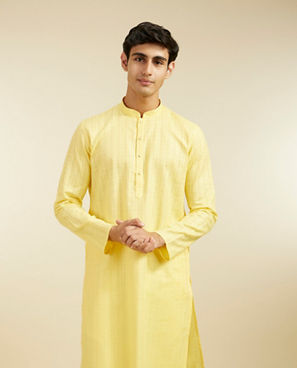
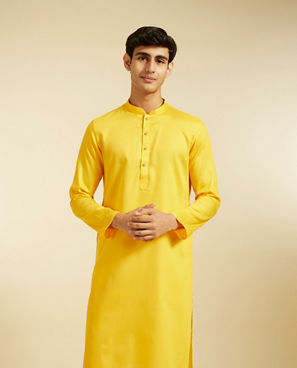
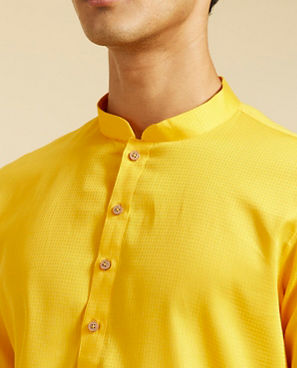
Lemon yellow is the brightest and crispest option — vivid in daylight, fresh and energetic. It photographs with a luminosity that no other shade of yellow quite replicates. The go-to shade for haldi functions and spring festivals, where brightness is the point.
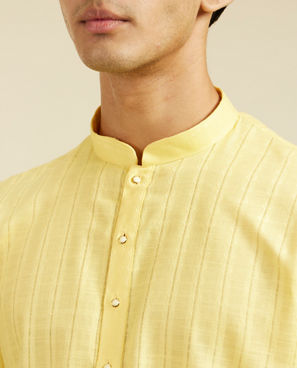
Pastel and soft yellow are lighter and more muted — approachable, gentle, and easy to wear. These shades suit men who want yellow without its full intensity. Works well for casual occasions and daytime settings.
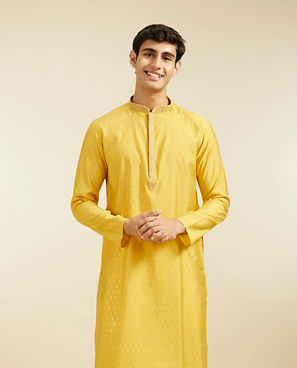
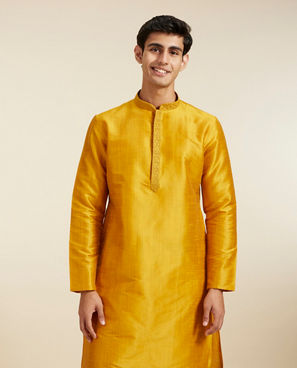
Mustard and golden yellow are warmer and earthier — these shades have a depth that brighter yellows lack. Mustard in particular has had a strong run in contemporary Indian men's fashion and continues to be one of the most-worn festive shades. Works across seasons, not just spring.
Turmeric yellow sits between lemon and mustard — a warm, rich yellow with an orange undertone that connects directly to the haldi ceremony's color. The most culturally specific yellow shade for wedding occasions.
Deep yellow and amber sit at the warmest, richest end of the spectrum — almost gold in character. These shades work well for evening functions and more formal festive occasions where a richer, more muted yellow is more appropriate than brightness.
Occasions Built for Yellow
Haldi functions — this one barely needs explanation. A yellow kurta at a haldi is the single most culturally connected outfit choice you can make. The color, the ceremony, and the occasion are inseparable.
Basant Panchami — yellow is not just appropriate for Basant Panchami, it's expected. The festival celebrates the arrival of spring through yellow flowers, food, and clothing. A yellow kurta is the correct answer here.
Vishu — gold and yellow are the anchoring colors of Kerala's new year. A lemon-yellow or golden-yellow kurta on Vishu is both aesthetically pleasing and culturally meaningful.
Baisakhi — yellow connects to the harvest, the fields, and the season. A vibrant yellow printed or embroidered kurta suits Baisakhi's outdoor, energetic character perfectly.
Ugadi and Gudi Padwa — both spring new year festivals welcome yellow as a color of new beginnings. A clean yellow kurta in a lightweight fabric is the ideal choice for these occasions.
Mehndi functions — yellow is one of the most popular mehndi colors for men. The warm palette of the ceremony — greens, oranges, golds — naturally welcomes yellow, and it photographs beautifully in outdoor daytime settings where mehndi functions typically take place.
Eid — mustard and golden yellow are strong Eid choices, particularly for men who want something warm and distinctive rather than the standard blue or white.
Prints and Embellishments That Work on Yellow
Yellow is a receptive and versatile base for surface detail — here's what works.
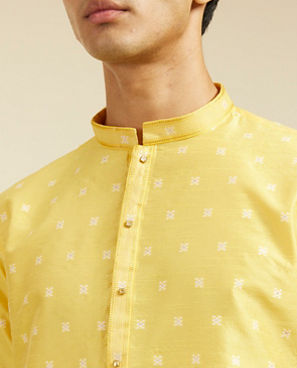
White or ivory embroidery on yellow creates a soft, elegant contrast — the stitching is visible without being stark, and the combination has a naturally festive, spring-like quality.
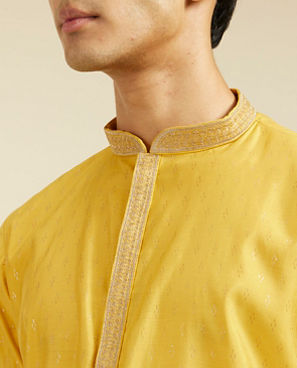
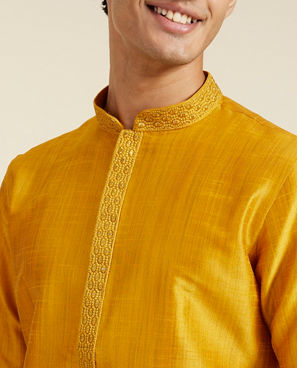
Gold thread work on mustard or deep yellow is surprisingly effective — the tonal harmony between gold embroidery and a warm yellow base creates a richness that feels cohesive and luxurious rather than overdone.
Block prints on yellow — particularly in earthy tones like rust, brown, or terracotta — lend yellow kurtas a handcrafted, artisanal quality that beautifully references India's textile printing traditions.
Floral prints on yellow feel instinctively right — the color's botanical associations make florals look completely natural on a yellow base, whether bold and graphic or small and scattered.
Geometric and abstract prints on yellow work for a more contemporary, structured aesthetic — good for college fests, casual celebrations, and younger styling choices.
Fabrics
Cotton is the most natural home for yellow — the color appears vivid and clean on cotton's matte surface, and the breathability of the fabric makes it ideal for the warm spring and summer occasions where yellow is most worn. The practical choice for Haldi functions, Baisakhi, and outdoor celebrations.
Linen gives yellow a slightly more textured, organic quality — the fabric's natural grain complements yellow's earthy associations. Good for casual settings and smart-casual occasions.
Mulmul — fine muslin — is the lightest, most breathable option for yellow in summer. Particularly well-suited to Vishu, Basant Panchami, and any outdoor spring occasion where comfort matters as much as appearance.
Chanderi adds a gentle sheen that gives yellow a more festive presence — the luminosity of the fabric makes the color glow in a way that cotton cannot achieve. Strong choice for Eid and semi-formal celebrations.
Silk-blend is the most elevated yellow option — mustard and golden yellow in silk-blend have a warmth and richness that suit evening functions and more formal festive occasions well.
How to Style a Yellow Kurta
Yellow works with a specific set of pairings — and knowing which ones makes styling effortless.
White churidars — the most universally effective pairing for yellow. The high contrast between yellow and white is clean, fresh, and consistently works across every shade of yellow and every occasion.
Ivory or cream churidars — a softer, warmer version of the white pairing. Suits mustard and deeper yellows, where pure white might feel too stark.
Off-white straight-cut trousers — a relaxed, contemporary alternative to churidars that works well for casual and semi-formal looks.
Deep olive green trousers — a complementary contrast that references nature and the season. Works especially well for outdoor settings and spring festivals.
Avoid pairing yellow with other warm, saturated colors in the bottom wear — orange, red, and bright green can easily become overwhelming alongside yellow. Keep the bottom wear neutral and let the yellow lead.
For footwear, tan and caramel juttis suit yellow most naturally — the warm leather tones complement yellow's earthy warmth. White kolhapuris work well with lighter yellows for a clean, summery look. Accessories in gold — a bracelet and a watch — are the most harmonious complement to yellow's own warm, golden character.
Yellow Across Skin Tones
Yellow works better across skin tones than most men expect — and the shade choice is what makes the difference.
On deeper complexions, bright lemon yellow and turmeric yellow create a vivid, powerful contrast that is immediately striking. The color's brightness is amplified against rich, warm skin — the result is bold and confident.
On medium and olive skin tones, yellow sits with a natural warmth — the color harmonizes with the skin's own golden undertones, making the combination feel effortless. Mustard and golden yellow are particularly flattering on olive skin.
On fairer complexions, mustard and deeper yellow shades add warmth and richness. Lighter lemon and pastel yellows can sometimes wash out fairer complexions — deeper yellows are the stronger choice here.
Yellow on Camera: It Was Made for Natural Light
Few colors perform in photographs the way yellow does in natural light. The color reflects warmth rather than absorbing it — in daylight, yellow kurtas glow with a luminosity that makes the wearer look genuinely radiant. For haldi photography in particular, a yellow kurta creates images of extraordinary warmth — the color, the ceremony, and the morning light combine to create photographs that are impossible not to love. For spring festival content, reels, and social media posts, yellow creates images that stand out in any feed with a brightness and joy that no filter can replicate. If you're going to be photographed at a spring celebration — and you almost certainly will be — yellow is the color that makes every shot better.
Frequently Asked Questions (FAQs)
1. What is the best yellow shade for a Haldi function?
Lemon yellow and turmeric yellow are the most culturally connected and widely worn choices for haldi functions — the color directly references the ceremony itself. Both shades photograph beautifully in the natural daylight settings typical of Haldi ceremonies. Mustard is a good alternative for men who prefer a warmer, earthier yellow.
2. Can yellow be worn beyond spring festivals?
Absolutely. Mustard and golden yellow work well through the autumn and winter festive season too — these warmer, deeper shades suit the season's richness and pair beautifully with heavier fabrics. Yellow is not exclusively a spring color — the shade you choose simply needs to match the season and occasion.
3. What bottom wear works best with a bright lemon yellow kurta?
White churidars are the cleanest and most effective pairing for bright lemon yellow — the contrast is crisp, and the overall look is fresh and well-defined. Off-white trousers work well for a slightly softer overall palette. Avoid coloured bottom wear with bright lemon yellow — the color is strong enough to lead completely, and the bottom wear should stay neutral.
4. Is yellow appropriate for Eid?
Yes — mustard yellow and golden yellow are strong Eid choices, particularly for men who want something distinctive and warm. In a quality fabric like chanderi or silk-blend, a mustard yellow kurta is festive, well-dressed, and culturally appropriate for Eid celebrations.
5. How do I care for a yellow kurta to keep the color bright?
Wash in cold water with a color-safe detergent. Turn inside out before washing to protect the outer surface. Dry in shade — direct sunlight causes yellow fabrics to fade and dull over time. For printed or embroidered yellow kurtas, hand washing is the safest option to preserve both the color and the surface detail over the long term.