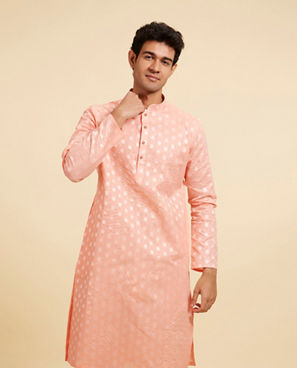
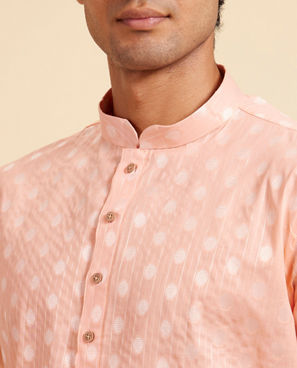
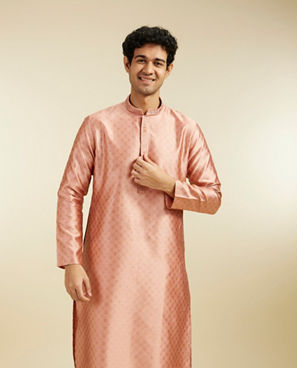
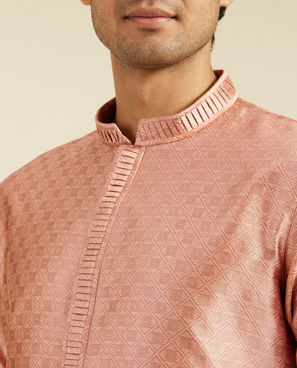
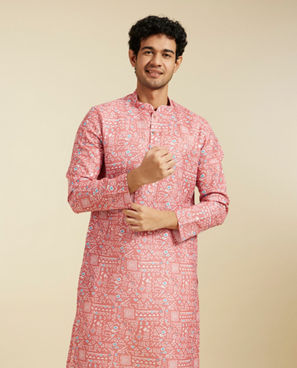
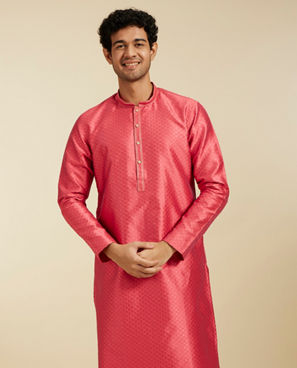
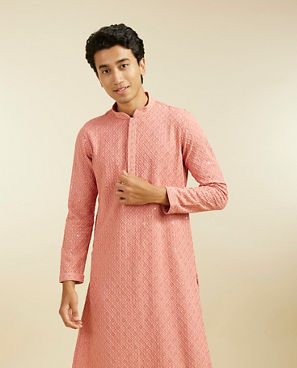
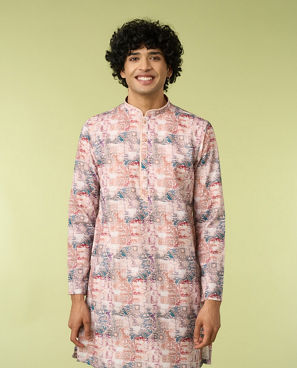
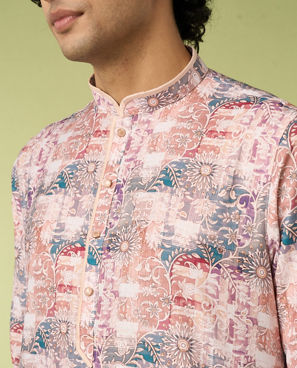
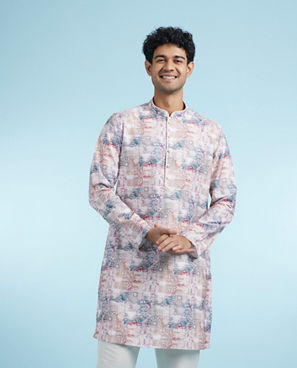
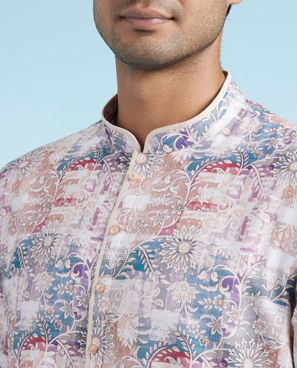
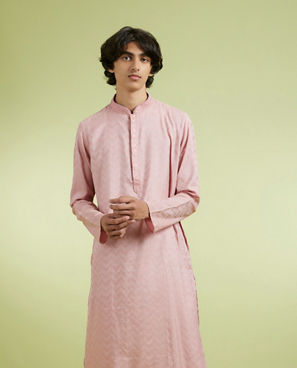
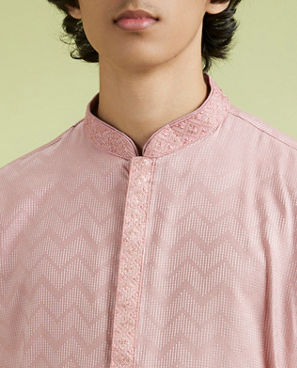
Peach chikankari kurta for men: where warmth meets craft
Diwas brings together kurtas that are independently appealing and collectively exceptional. Peach—warm, flattering, universally approachable—and chikankari—Lucknawi embroidery that feels handcrafted, delicate, and distinctly Indian. The result is a kurta that communicates genuine care about the occasion without ever looking overdressed or over-thought.
At Diwas, these kurtas are imagined as celebration pieces that feel as good to wear as they look in photographs—soft on the skin, easy through long functions, and beautiful in the frame whether the light is natural afternoon sun or warm indoor event lighting.
Why peach and chikankari are a natural pairing
Some colour and craft combinations feel accidental. Peach and chikankari feel inevitable—each quality brings out the best in the other.
-
Peach softens chikankari's intricacy: Where white makes chikankari feel crisp and formal, peach gives the same embroidery a warmer, more romantic quality—the stitching reads as delicate rather than stark, personal rather than ceremonial.
-
Chikankari adds depth to peach's natural warmth: A plain peach kurta is already warm and flattering; chikankari adds surface complexity that makes the colour look more intentional—as though the warmth of the base was chosen specifically to complement the craft on top.
-
The combination photographs exceptionally well: Peach holds its warmth under both natural and artificial light, and chikankari's fine stitching adds close-up texture that makes portrait photography and outfit reels look layered and considered.
-
Together they create a mood rather than just a look: Kurtas tend to feel associated with specific kinds of celebrations—daytime weddings, mehendi afternoons, spring festivals—because the combination is so strongly expressive of warmth, joy, and delicate beauty.
-
Sequin additions elevate without disrupting: Many kurtas feature fine sequin work alongside threadwork—on peach, sequins catch light in a warm, golden way that feels like sunshine rather than sparkle, maintaining the kurta's soft mood while adding evening presence.
How chikankari sits on peach
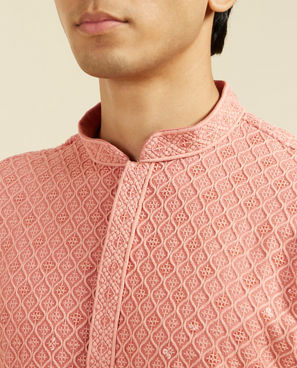
Chikankari embroidery is defined by its fineness—delicate stitches arranged in floral motifs, jaals, and ornamental patterns that sit lightly on the base fabric rather than weighing it down. On peach, this lightness is amplified.
The specific ways chikankari appears on peach kurtas include:
-
Tone-on-tone chikankari—where the thread colour closely matches the peach base, creating embroidery that is visible as texture and pattern but blends softly into the overall colour; ideal for daytime occasions and more intimate celebrations where understatement is appropriate.
-
White or cream threadwork on peach—where the embroidery stands out more clearly against the warm base- creates a gentle contrast that makes the motifs more legible from a distance; it works across most festive occasions, from mehendi to Diwali.
-
Chikankari with sequin highlights—the sequins are typically placed within or around chikankari motifs rather than as a separate embellishment layer, creating a very integrated shimmer that feels part of the craft rather than added to it.
-
Jaal chikankari on peach—where the embroidery creates a continuous lattice or net pattern across much of the kurta surface; on peach, an all-over jaal creates a rich, densely patterned look that feels genuinely special for evening functions and more formal wedding events.
Fabric and construction
For chikankari to sit well and peach to look its best, the base fabric has to support both—carrying the colour warmly while providing a surface that allows fine embroidery to lie flat and drape naturally. Diwas and linked collections typically use:
-
Viscose and viscose-blend bases—used in pieces like the Peach Viscose Chikankari Embroidery Kurta; the fabric drapes smoothly and has a slight sheen that complements both the warmth of peach and the delicacy of chikankari without stiffness.
-
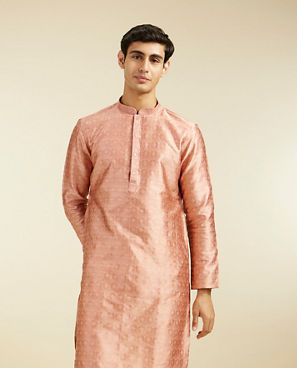
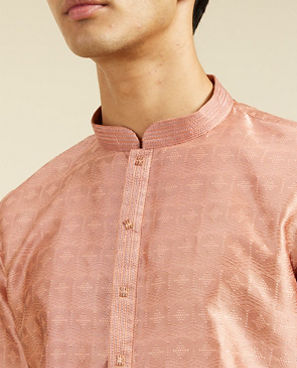
Art silk and silk-feel fabrics—used in more formal or evening-ready peach pieces where a gentle luminosity in the base fabric amplifies the shimmer of sequin highlights and makes the overall kurta look richer under indoor lighting.
-
Cotton and cotton-rich blends—for more breathable, daytime-appropriate kurtas; cotton holds chikankari cleanly and remains comfortable through long outdoor functions and warm-weather celebrations.
-
Georgette and soft blended weaves—lighter, more fluid fabrics used in some pieces where the fabric's natural movement creates a flowing quality that suits outdoor settings and garden venue celebrations.
The construction of the chikankari itself—whether machine-assisted or more traditionally crafted—also shapes how the embroidery reads; finer, more detailed work creates a more artisanal, handcrafted impression that feels particularly appropriate for wedding functions and significant celebrations.
Where the kurta naturally belongs
Peach chikankari kurtas have a very strong sense of occasion—certain celebrations simply seem to call for exactly this combination of colour, craft, and warmth. They're most at home when you're:
-
Attending daytime weddings and outdoor functions—where peach catches natural light beautifully and chikankari adds close-up interest that photographs exceptionally well in daylight; one of the most photogenic kurta choices for garden and resort weddings.
-
Dressing for mehendi and pre-wedding ceremonies—where the warmth and delicacy fits perfectly in the colour palette and mood of one of the most joyful and visually rich events in a wedding week.
-
Celebrating Diwali and spring festivals—where peach's warmth sits naturally alongside seasonal colours and chikankari's craft elevates the look beyond a simple festive kurta.
-
Engagement parties and roka ceremonies—where the combination of warm colour and delicate embroidery feels celebratory without being too formal; exactly right for occasions that are joyful but not yet at their most ceremonial.
-
Holi and outdoor spring celebrations—where this kurta in a breathable fabric feels festive enough for the occasion while being light and comfortable for movement and colour.
-
Eid gatherings—where peach's warmth and chikankari's craft together create a look that feels respectful, considered, and celebration-appropriate without needing loud colour or heavy embellishment.
Shades of peach
Because chikankari reads differently depending on the exact shade of peach it sits on, understanding the spectrum helps you choose the right version for each occasion.
-
Soft blush and baby peach—the lightest, most delicate end; chikankari here feels very gentle and romantic; ideal for daytime events, garden weddings, and occasions where you want the look to feel soft and approachable.
-
True and warm peach—the classic, most widely flattering shade; chikankari reads clearly against this base without being stark; works across the widest range of occasions from engagement parties to Diwali gatherings.
-
Deeper and coral-leaning peach—a more vibrant direction; chikankari on deeper peach feels more festive and energetic; works for evening mehendi, Diwali parties, and occasions where you want more visual presence.
-
Muted and dusty peach—a sophisticated, slightly earthy direction; chikankari on dusty peach feels very refined and grown-up; works for semi-formal functions and occasions where understated elegance is the goal.
Styling
Because peach chikankari kurtas already carry both colour warmth and surface craft, styling is primarily about choosing what supports rather than competes with the combination.
Bottom choices:
-
White or off-white pyjamas or churidar—the most natural and widely used pairing; clean white creates a gentle contrast that lets both the peach colour and the chikankari read clearly.
-
Cream and ivory churidar—a softer, warmer alternative to white; the warmth of cream complements peach beautifully; ideal for daytime and outdoor occasions.
-
Beige or camel slim pyjamas—a tonal pairing that feels very harmonious and sophisticated; works particularly well with deeper or dusty peach shades.
-
Light gold or champagne churidar—for more formal or evening occasions where you want the warmth of the pairing to match the shimmer in the chikankari and sequin details.
Footwear:
-
Embroidered or embellished mojaris in cream, tan, or soft gold feel the most traditional and complete
-
Tan or caramel loafers work for a more contemporary, semi-casual styling direction.
-
Avoid very dark or heavily contrasting footwear that disrupts the soft, warm palette of the overall look.
Accessories:
-
Gold-tone accessories sit most naturally with peach—warm-toned watches, antique-finish kadas, simple rings.
-
Keep jewellery minimal; the chikankari and any sequin highlights are already doing delicate surface work, and adding heavy jewellery risks disrupting the lightness that makes this combination so appealing.
-
A light stole in ivory, soft gold, or complementary peach-adjacent tones adds ceremony for more formal functions without changing the colour story.
In a compact celebration wardrobe
In a small but thoughtfully built ethnic wardrobe, this kurta fills a very specific and genuinely useful slot: the warm, craft-forward, daytime-to-evening festive piece that neither plain peach solids nor heavily embroidered darker pieces can replicate.
Alongside:
-
a plain neutral (white, beige, or cream) for rituals and simple functions, and
-
one deeper, more formal piece (navy, bottle green, or maroon embroidery) for important evenings,
a peach chikankari kurta becomes:
-
your first choice for mehendi, daytime weddings, and engagement parties;
-
the piece that photographs most beautifully in natural and warm indoor light;
-
a repeat-wear favourite that different social circles rarely identify as the same kurta because the combination of peach and chikankari feels distinct and considered in every context.
In photos, reels, and real memories
Peach chikankari kurtas are among the most rewarding pieces to photograph in men's ethnic wear. The colour holds its warmth across different lighting conditions—outdoor afternoon light, warm indoor event setups, Diwali fairy lights—while chikankari adds fine surface detail that makes close-up portraits look genuinely beautiful and considered.
In outfit reels and slow-pan videos, the combination of peach's warmth and chikankari's delicate surface movement creates a very specific visual quality that feels soft, intentional, and genuinely festive without the visual weight of heavy embroidery or bold colour. For mehendi day captures specifically—often featuring natural light, marigolds, and warm outdoor backdrops—this kurta looks almost perfectly calibrated to the aesthetic of the occasion.
If you care about how your celebration looks are remembered in photos and videos as much as how they feel in the moment, this kurta is one of the most consistently beautiful choices available in men's ethnic wear.
FAQs
1. Is a peach chikankari kurta suitable for evening functions as well as daytime events?
Yes—lighter peach shades with fine chikankari work best in the day, while deeper or coral-leaning peach with sequin-highlighted chikankari translates effectively into evening occasions like Diwali parties and evening mehendi; fabric choice also matters, with viscose and art-silk bases reading more formally than cotton.
2. What makes peach chikankari different from white chikankari?
White chikankari is more ceremonial and formal—closer to the traditional form of the craft; this kurta feels warmer, more romantic, and more versatile across a wider range of celebration types and formality levels.
3. What bottoms work best with a peach chikankari kurta?
White and cream pyjamas or churidar are the most natural pairings; beige and camel add warmth for a more harmonious palette; light gold or champagne churidar works for more formal or evening occasions.
4. Can I wear a peach chikankari kurta to a wedding as a guest?
Absolutely, it is ideal for daytime wedding functions, mehendi, and engagement parties as a guest; for more formal evening receptions, choosing a deeper peach shade with sequin highlights and richer fabric makes the same colour appropriate for higher formality levels.
5. How do I style a peach chikankari kurta without over-accessorising?
Let the chikankari do the work—a simple watch, a subtle gold-tone kada, and clean traditional or semi-formal footwear are usually all you need; the combination of warm colour and delicate embroidery means the kurta itself is already communicating everything the occasion requires.

_18-04-2025-20-55:297-368)
_18-04-2025-20-56:297-368)
_18-04-2025-20-55:Swatch)
_18-04-2025-17-46:297-368)
_18-04-2025-17-46:297-368)
_18-04-2025-17-46:Swatch)
_18-04-2025-22-21:297-368)
_18-04-2025-22-21:297-368)
_18-04-2025-22-21:Swatch)