What makes this kurta special
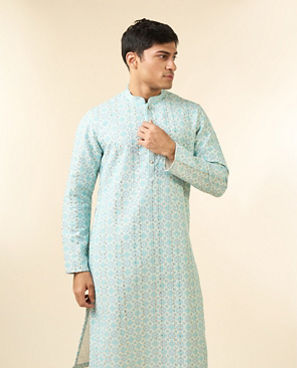
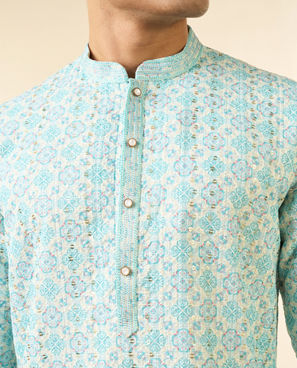
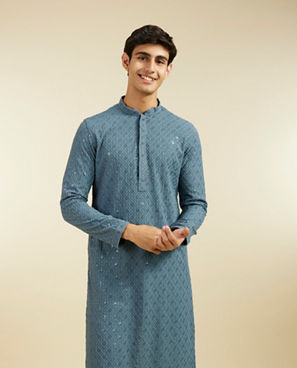
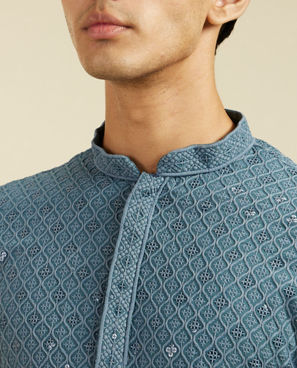
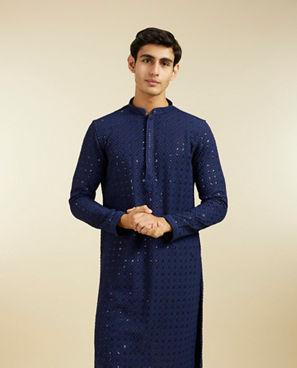
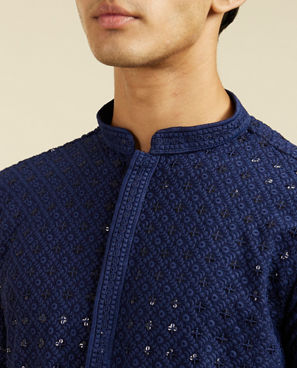
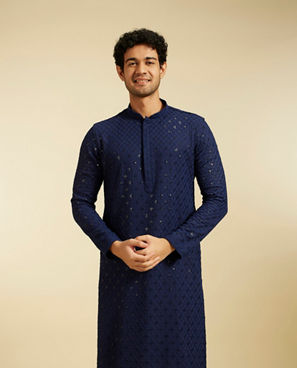
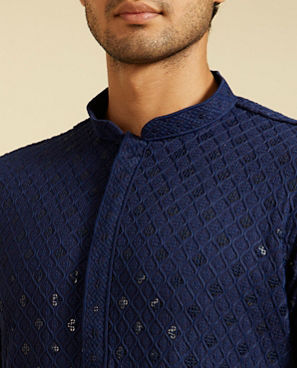
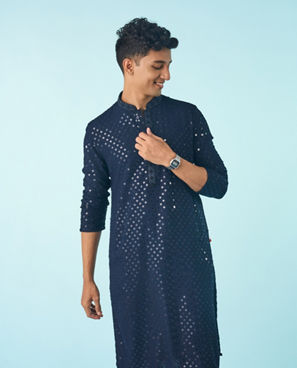
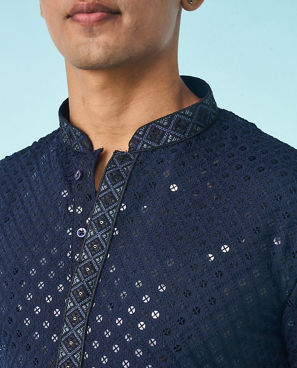
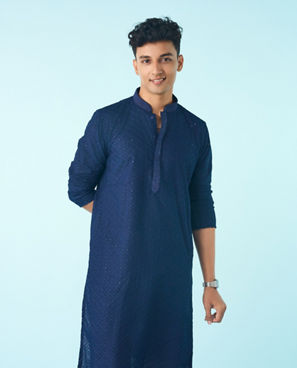
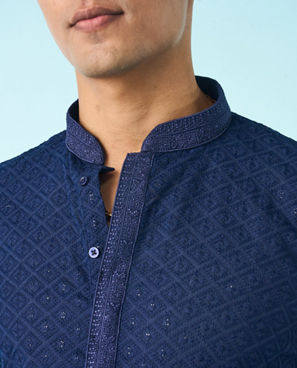
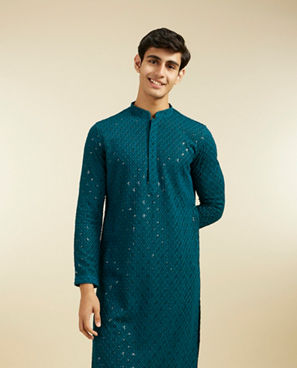
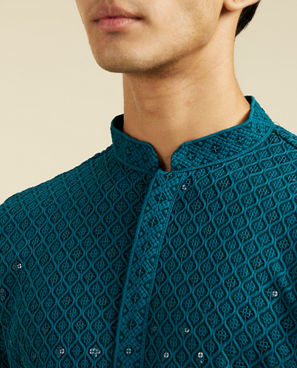
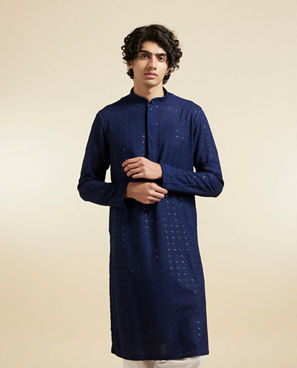
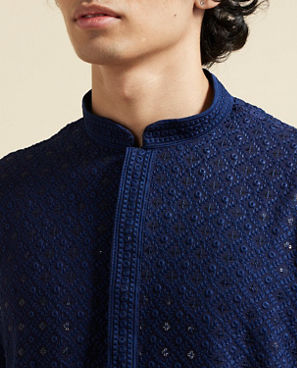
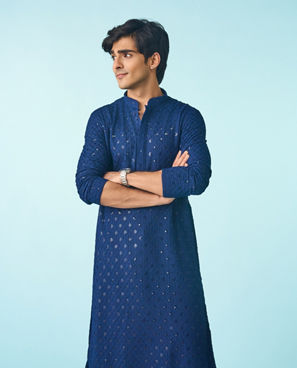
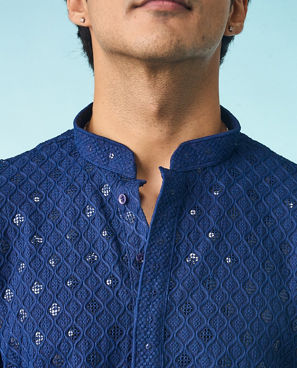
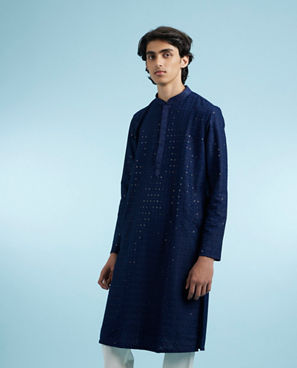
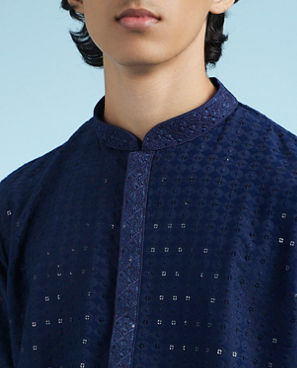
The kurtas blend Lucknow‑inspired embroidery with shades of blue that feel modern and easy to wear. Diwas leans into mid and deeper blues with chikankari and often sequin work, so the kurta looks detailed up close and quietly striking from a distance.
Because blue sits comfortably between bold and neutral, a kurta rarely feels “too much”—it reads refined at family functions, weddings, and festivals, and still works for slightly more relaxed, city‑leaning plans.
Fabric and work: how these pieces are built
For the kurta to look sharp and feel good for long hours, the base fabric has to support both colour and craft. Diwas and linked listings emphasise:
-
Viscose bases, as in the Oxford Blue Chikankari Kurta with Sequins and the Blue Viscose Chikankari Embroidery kurta, where the fabric drapes smoothly and carries both embroidery and shimmer without stiffness.
-
Silk‑blend and silk‑feel fabrics in some blue chikankari sets, ideal for dressier functions and reception‑style evenings.
-
Cotton and cotton‑rich options in the wider chikankari range for men who want breathable comfort for summer weddings and festivals.
On top of these, chikankari stitches create florals, jaals, and Mughal‑inspired motifs, often highlighted with sequins or shimmer threads so the kurta catches light at just the right level during celebrations.
Shades of blue and their moods
The kurtas don’t all look or feel the same; the exact shade changes the personality.
You’ll broadly see:
-
Mid and royal blues, where chikankari and sequin work are clearly visible, perfect for sangeets, Diwali evenings, and wedding functions.
-
Navy and darker blues, which feel more formal and evening‑centric, ideal for receptions and cocktail‑leaning events.
-
Softer ice or sky‑leaning blues in the wider chikankari category, better suited to daytime functions and summer celebrations.
This kurta lets you keep colour in your outfit without the intensity of red or the starkness of white, which is why it’s so repeat‑friendly.
When a blue chikankari kurta fits perfectly
Because blue is both classic and current, the kurta quietly fits into many key moments on your calendar. It’s especially at home when you’re dressing for:
-
Evening wedding events – sangeet, cocktails, and receptions where you want depth of colour plus visible surface work.
-
Diwali poojas and parties, particularly main evenings when navy and royal blue look rich under warm lights.
-
Eid and other festivals, where a chikankari kurta in a deeper blue feels both traditional and refined.
-
Formal family celebrations – milestone birthdays, anniversaries, or housewarmings hosted in banquet or hotel settings.
Because chikankari leans elegant rather than heavy, you can also reuse the same blue kurta for slightly lower‑key events just by toning down how you style it.
Styling paths
Styling is where you can push your chikankari kurta towards classic, contemporary, or somewhere in between.
Try:
-
Classic festive: Royal or mid‑blue kurta with white or cream churidar and mojaris for weddings, Diwali, and Eid evenings.
-
Refined evening: Navy blue kurta with beige or off‑white bottoms and formal shoes for receptions and cocktail‑style events.
-
Modern festive: Blue kurta with slim neutral trousers and loafers for restaurant celebrations, office parties, or slightly formal family dinners.
-
Casual‑festive: Softer blue inspired kurta with dark denims and clean sneakers for campus events or friend‑group plans.
Because the kurta already has rich colour plus embroidery, accessories can stay minimal—a watch, kada, or ring is usually enough.
Why it works in a small wardrobe
In a compact celebration wardrobe, a blue chikankari kurta covers your cool‑toned, evening‑ready slot. Alongside a neutral piece (cream, beige, or white) and a warmer hero (red, maroon, or mustard), it gives you:
-
A go‑to option for night functions across weddings and festivals.
-
A reliable “I’ll look put‑together without overthinking” outfit for invitations with slightly formal or hotel‑banquet settings.
-
A kurta that photographs consistently well across different venues and lighting setups.
If you like your celebration looks to feel composed, camera‑friendly, and not too loud, this kurta quickly becomes one of your most‑used pieces
For different celebration moods
One blue chikankari kurta can read very differently depending on the kind of event you’re attending and who you are there as—host, close family, or guest.
-
As a close‑family or cousins’ look: A royal or navy blue kurta with sequins feels close to sherwani‑level special, especially with churidar and mojaris, but stays lighter and easier to move in.
-
As a friends’‑side wedding outfit: A mid‑blue kurta with slightly softer work paired with beige bottoms hits that sweet spot between fun and formal.
-
As a guest or plus‑one: A blue kurta with more restrained detailing, worn with neutral trousers or simple pyjamas, lets you look polished without competing with the main family.
Because blue is seen as both classic and contemporary, it slots into almost every celebration mood without feeling out of place.
Blue chikankari in everyday‑festive life
A blue chikankari kurta isn’t only for weddings or peak Diwali—it also works in the “everyday‑festive” spaces that make up a big part of the year.
You can wear the same piece when you’re:
-
Heading to an office festive day, styled with slim trousers and loafers so it feels neat and work‑friendly.
-
Visiting relatives for a small puja or housewarming, with white pyjamas and open sandals.
-
Joining a friends’ get‑together or dinner during festival week, pairing it with denims and sneakers for a more relaxed, city‑leaning take.
This repeat‑wear value—across different groups and settings—is exactly why these kurtas keep getting space in modern wardrobes.
For photos and reels
Deep and mid‑blues with chikankari are naturally camera‑friendly: they don’t wash out, and the embroidery gives texture in close‑ups. Under warm indoor lights, fairy lights, or evening sky, sequins and stitches on blue catch light in a very controlled way, making the kurta look rich without overwhelming the frame.
If you’re shooting:
-
Family portraits, blue balances well against lighter outfits around you.
-
Dance or sangeet reels, the sequins and stitches create subtle glints as you move.
-
Travel or wedding‑week vlogs, one blue kurta can appear across multiple clips without feeling repetitive, simply by changing bottoms and accessories.
It’s the kind of piece that consistently looks good in your gallery, regardless of the phone or lighting you’re working with.
FAQs
1. Is a blue chikankari kurta only for evening events?
No. Deeper blues feel especially strong at night, but mid and softer blues with chikankari also work well for daytime functions, especially when paired with lighter bottoms.
2. What bottoms pair best with a blue chikankari kurta?
White, cream, and beige pyjamas or churidars are the easiest; for more modern looks, slim neutral trousers or even dark denims work with certain styles.
3. Is a blue chikankari kurta suitable for weddings?
Yes. Royal and navy blue kurtas with sequins or richer fabrics are ideal for sangeet, reception, and key Diwali events, especially if you’re part of the close friends’ or cousins’ group.
4. How is a blue chikankari kurta different from a plain blue kurta?
Chikankari adds intricate motifs, texture, and sometimes subtle shimmer, making the kurta feel more crafted and festive while still staying light and wearable.
5. Can I dress a chikankari kurta down for simpler occasions?
Definitely—choose styles with lighter embroidery, pair them with cotton pyjamas or denims, and keep accessories minimal for a more casual, everyday‑festive feel.


















_08-06-2026-12-00:297-368)
_08-06-2026-12-00:297-368)
_08-06-2026-12-00:Swatch)