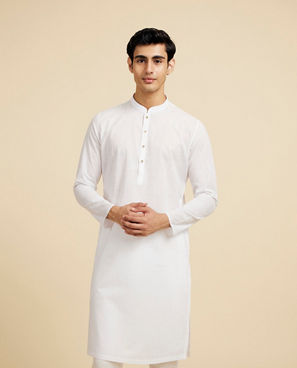
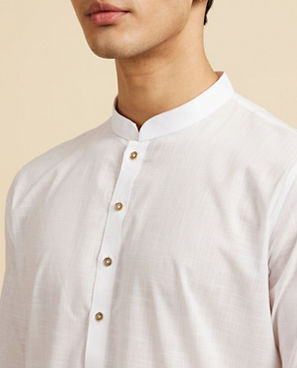
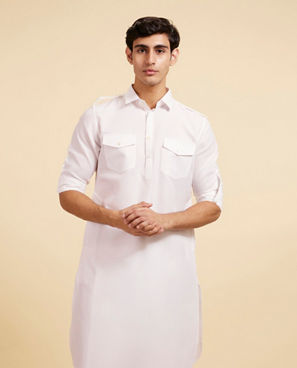
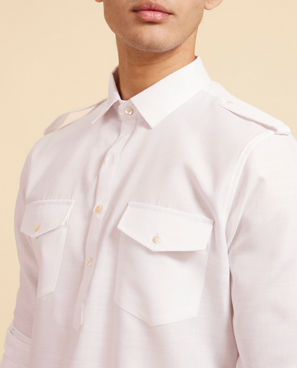
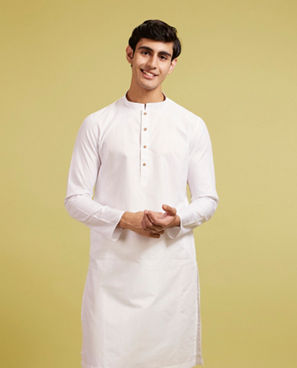
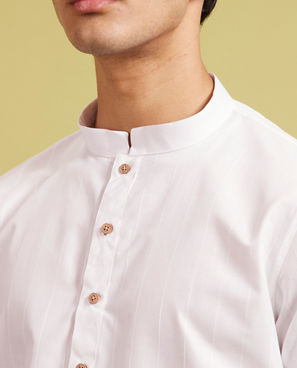
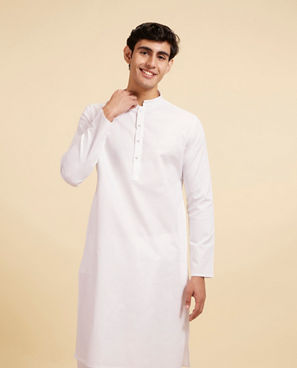
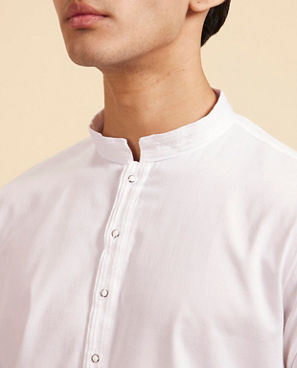
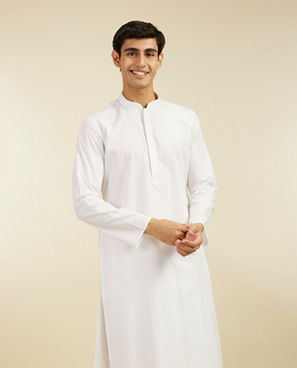
White Kurtas for Men – Clean, Classic, and Always Right
Some things just work. A white kurta is one of them. It doesn't matter what the occasion is, what season it is, or what else is trending — a well-fitted white kurta always looks right. It's the one piece that every man reaches for when he wants to look put-together without putting in too much effort. Clean, versatile, and genuinely timeless.
White in Indian Celebration Culture
White has always meant something in India. It shows up at temple visits, at harvest festivals, at new year celebrations across regions. It's the colour of fresh starts and clean slates. Poila Boishakh calls for white. Vishu welcomes it. Onam is built around it. White kurtas have been part of Indian men's celebration dressing for as long as celebrations have existed — and the reason they've stayed is simple: white always looks appropriate, always photographs well, and always feels like the right call.
Not All White Are the Same
This is worth knowing before you shop. White kurtas come in more variations than most people realize — and the differences matter for how the kurta looks and where it's best worn.
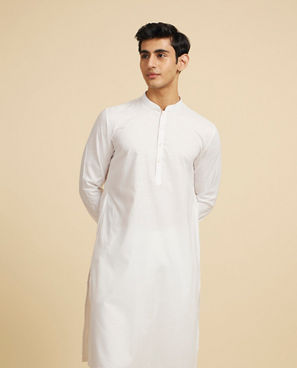
Pure white is the crispest, most high-contrast option — strong, clean, and particularly effective in natural daylight and outdoor settings.
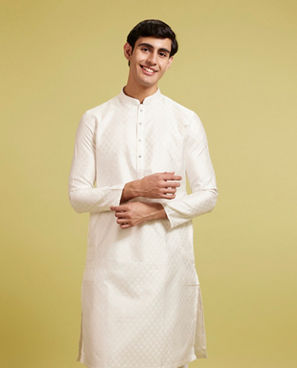
Off-white and ivory carry a warmer, more muted tone — slightly softer than stark white, and often more flattering across a range of skin tones. These shades also tend to photograph with more warmth and depth than pure white.
Cream sits between ivory and beige — the warmest of the white family, with an almost golden undertone that suits festive occasions particularly well.
Within the Diwas, these subtle tonal differences are worth paying attention to — the right shade of white for your skin tone, and the occasion makes a real difference to the overall look.
Plain, Printed or Embellished — Choosing the Right Style
White kurtas come in a range of surface treatments, and each one suits different occasions and aesthetics.
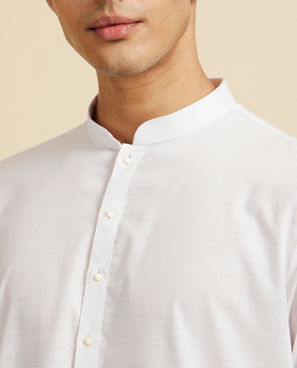
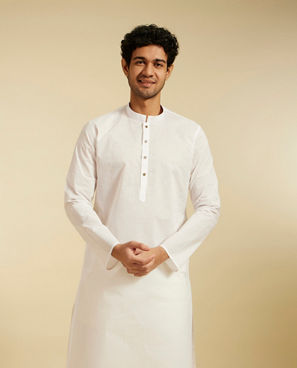
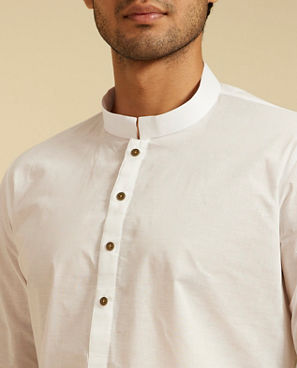
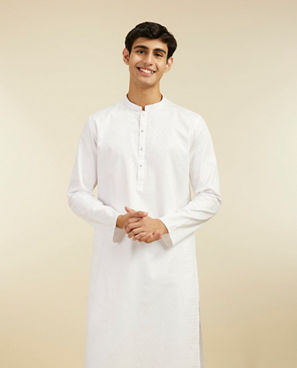
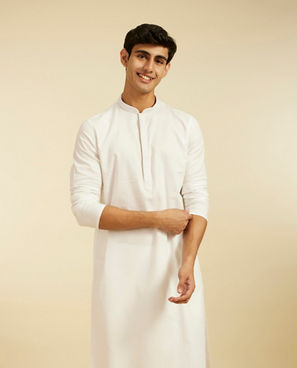
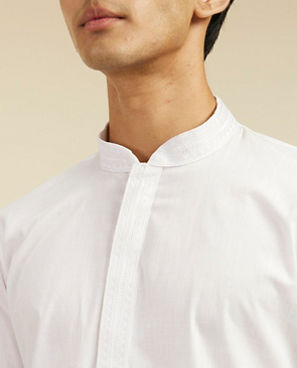
Plain kurtas — no embellishment, no print — are the most versatile option in the range. In a good fabric with a clean cut, a plain kurta works for everything from casual daily wear to semi-formal gatherings. The fabric and fit carry the look entirely.
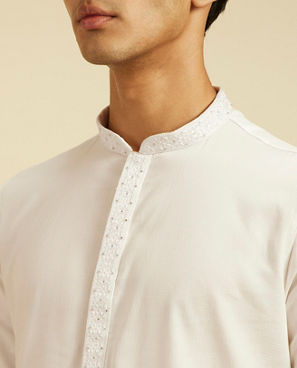
Chikankari kurtas are the most celebrated embellished version — white thread on white fabric, creating intricate patterns visible through texture and shadow. The craft adds occasion-appropriate detail without introducing color. Perfect for Eid, nikah ceremonies, and daytime wedding functions.
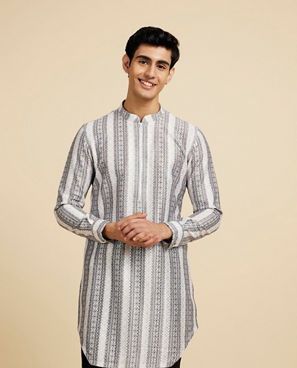
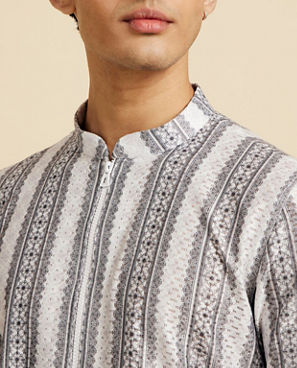
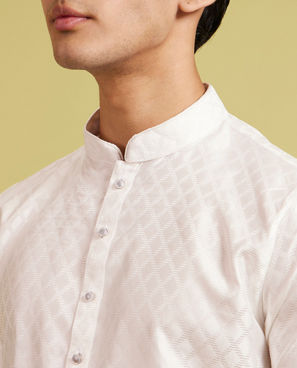
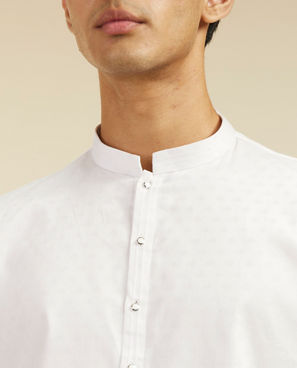
Printed kurtas — typically featuring subtle self-prints, tonal patterns, or contrast prints in a second color — add visual interest to the white base. These fall in the casual-to-semi-formal range and work well for festivals and daytime celebrations.
Embroidered kurtas with gold, silver, or colored threadwork are the most festive option in the white range — the contrast between the embroidery and the white base is crisp and beautiful, and the overall look is well-suited to evening functions and significant celebrations.
The Fabric Makes the Kurta
In white kurtas, more than almost any other color, fabric choice is critical. White shows fabric quality — the drape, the weight, the texture — in a way that darker colors don't. Here's what to know:
Cotton is the most practical everyday choice — breathable, easy to maintain, and crisp in white. Slightly prone to creasing, but nothing a quick iron doesn't fix.
Mulmul and fine muslin are the lightest, most breathable options — ideal for summer, Eid mornings, and outdoor celebrations. The fabric drapes beautifully and feels effortless to wear.
Linen gives white a more textured, relaxed quality — slightly more casual in feel, great for daytime occasions and smart-casual settings.
Chanderi adds a gentle sheen to white — the fabric is lightweight but has a quiet luminosity that elevates it beyond plain cotton. Good for festive daytime occasions.
Silk and silk-blend give kurtas the most formal and luxurious character — the sheen and drape of silk on white is particularly impressive in warm lighting. Best reserved for evening functions and significant celebrations.
Five Occasions Where a White Kurta Is the Obvious Answer
Eid — on Eid morning is practically a tradition. Clean, appropriate, and genuinely beautiful in the morning light.
Onam — white with a gold or coloured border is the traditional Kerala celebration look, and it's as relevant today as it's ever been.
Poila Boishakh — white with red accents is the Bengali New Year's color code. A white kurta with red thread work or border detail is the most culturally connected choice for this occasion.
Friday prayers — a clean kurta is the standard and the classic. Simple, respectful, and always right.
Summer weddings and daytime functions — white is one of the few colours that looks genuinely fresh and well-dressed in bright daylight without feeling heavy or overdressed.
How to Style
The beauty of white is that it pairs with almost everything. But some combinations work better than others.
White-on-white — with white or ivory churidars — is the most classic and cohesive look. It's clean, confident, and works for everything from Eid to casual daily wear.
White and gold — with gold embroidery or a gold Nehru jacket, is the most festive and celebration-ready combination. It's a pairing that's been worn at Indian celebrations for generations, and still looks as good as it always has.
White and color — with a colored bottom wear — navy, olive, rust — give you a more contemporary, fashion-forward look that works well for casual occasions and younger aesthetics.
White and pastels — with soft blue, blush, or mint churidars is a fresh, summery combination that suits spring festivals and outdoor daytime celebrations particularly well.
For footwear, white kolhapuris and tan or caramel juttis both work naturally with white. Keep accessories simple — silver or gold, depending on the occasion, and never too heavy.
Getting the Fit Right
White kurtas are unforgiving when it comes to fit — the clean, simple color means there's nowhere for a poor fit to hide. A few things to keep in mind:
The shoulder seam should sit at the edge of the shoulder — not drop below it. The chest should have enough ease to move comfortably, but not so much that the fabric billows. The length should be proportionate to your height — a kurta that's too long makes you look shorter; one that's too short disrupts the silhouette's balance. The sleeves should end at the wrist with a clean finish.
In white, especially, a kurta that fits well looks significantly more expensive and more considered than the same garment in a poor fit.
Frequently Asked Questions (FAQs)
1. Can white kurtas be worn year-round or only in summer?
They work year-round — the fabric determines the season, not the colour. Lightweight mulmul and cotton kurtas are ideal for summer. Chanderi and silk-blend kurtas work well through the festive and wedding season in cooler months. White is genuinely a year-round colour in Indian celebration dressing.
2. What is the best white kurta fabric for Eid?
Mulmul and fine cotton are the most popular choices for Eid — lightweight, breathable, and crisp in white. For a more elevated Eid look, chanderi or a cotton-silk blend offers a gentle sheen and better drape while remaining comfortable for a full day of celebration.
3. How do I keep a white kurta looking bright and fresh over time?
Wash in cold water with a detergent formulated for whites. Always dry in shade — direct sunlight yellows white fabric over time. Iron while slightly damp for the crispest finish. Store away from coloured garments to prevent dye transfer.
4. Is a plain white kurta appropriate for a wedding function?
A plain kurta in a quality fabric — silk-blend or chanderi — with good fit and simple accessories can work for daytime wedding functions. For evening functions, an embellished or Chikankari kurta is more appropriate — the added detail gives the garment the festive character that formal evening occasions call for.
5. What bottom wear color works best with a white kurta for a festive occasion?
Ivory or white churidars create the most classic and cohesive festive look. For a warmer, more celebratory pairing, gold or mustard yellow bottoms work beautifully with white. For a contemporary casual look, navy or olive trousers create a clean contrast that feels fresh and considered.

_18-04-2025-21-15:297-368)
_28-04-2025-06-54:297-368)
_18-04-2025-21-15:Swatch)