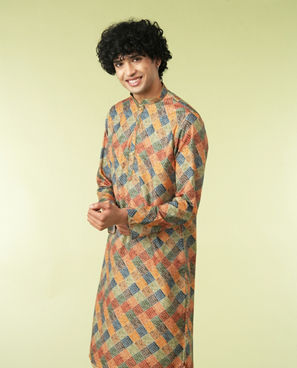
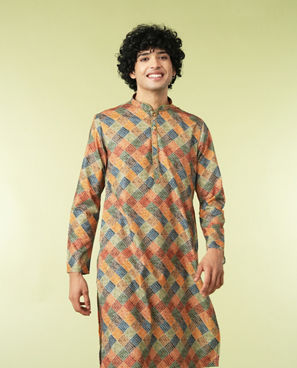
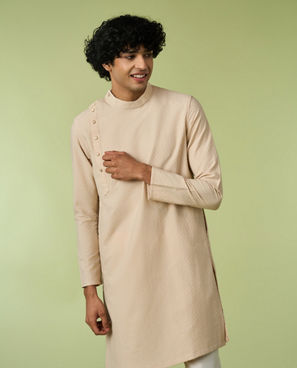
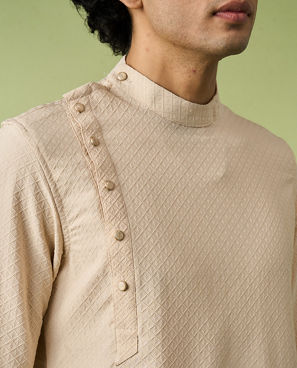
Kurta Pajama for Men – The Complete Look, Done Right
A kurta on its own is half an outfit. A kurta pajama is the whole thing — and the difference between the two is more significant than most men give it credit for. The right pajama completes the silhouette, balances the proportions, and gives the overall look a finish that no amount of accessorizing can substitute for.
Why the Pajama Matters More Than You Think
Most men spend considerable time choosing a kurta and almost no time thinking about what goes below it. That's a mistake — and it shows in the final look.
The pajama sets the silhouette of the entire outfit. A too-wide pajama makes it look shapeless. One that's too narrow restricts movement. The wrong length throws off the proportions of the kurta above it. The wrong fabric makes an otherwise well-chosen kurta look underdressed. The pajama is the foundation — and foundations matter.
When a kurta pajama set is chosen together — where the fabric, color, and cut of both pieces are designed to work as a unit — the result is a completeness and coherence that mix-and-match dressing rarely achieves. That's the case for buying them as a set, and it's a strong one.
The Different Pajama Cuts — and What Each One Does
Not all pajamas are the same, and the cut you choose changes the character of the entire outfit.
Straight-cut pajamas run with a consistent width from the hip to the ankle — relaxed, comfortable, and appropriate for a wide range of occasions. The most versatile cut in the range and the easiest to wear well.
Churidar pajamas are cut longer than the leg and gather in folds at the ankle — creating the characteristic ruched effect that is the most formal and traditionally specific pajama finish. These suit longer, more structured kurtas and formal occasions like wedding functions and Eid.
Slim-fit pajamas taper gradually towards the ankle without the gathering of a churidar — a more contemporary, streamlined silhouette that works well for younger aesthetics and party wear settings.
Aligarh pajamas are wider through the leg, with a gathered waistband — a more generous, relaxed cut traditionally associated with certain regional styles and particularly comfortable for long occasions.
The occasion and the kurta's formality should guide the choice of pajama cut — churidars for the most formal settings, straight-cut for everyday and semi-formal, and slim-fit for contemporary party dressing.
Fabric Matching: Getting the Set Right
The fabric of the pajama should complement the kurta — ideally matching it or sitting in the same fabric family.
Cotton kurta pajama sets are the most practical and widely worn option. Breathable, comfortable, and appropriate across casual and semi-formal occasions. The fabric's honest quality suits everyday celebration dressing and the full range of daytime festivals — Eid morning, Onam, Pongal, Baisakhi, and regular family occasions.
Chanderi kurta pajama sets move the outfit into genuinely festive territory. The fabric's gentle sheen and lighter weight make it ideal for occasions that sit between casual and formal — Navratri evenings, semi-formal Eid gatherings, and daytime wedding functions.
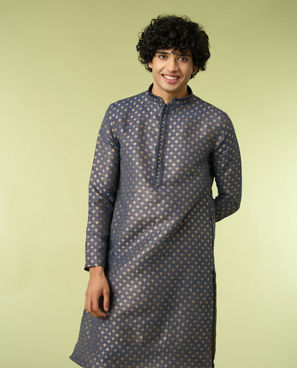
Silk-blend kurta pajama sets are the most formal option in the range. The fabric's natural luster makes the complete set look significantly more elevated in warm indoor lighting — the choice for reception evenings, sangeet nights, and the most dressed-up celebrations on the calendar.
Cotton-silk blend sets sit between chanderi and pure silk-blend — enough sheen to feel festive, enough cotton for comfort through a long occasion. The most practically versatile festive option.
Color Coordination Within the Set
The color relationship between the kurta and pajama is one of the most important styling decisions in the entire outfit — and there are three distinct approaches, each creating a different effect.
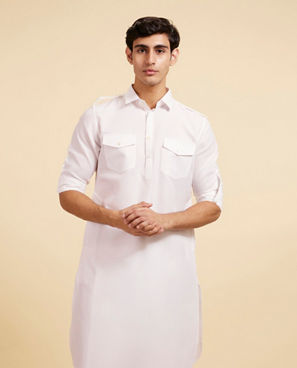
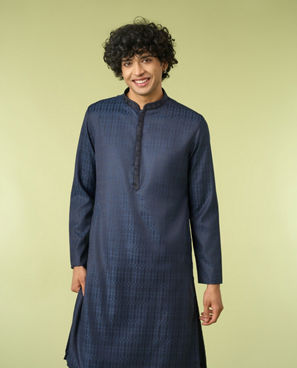
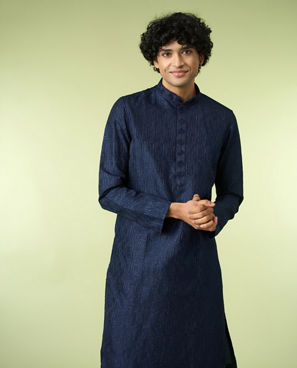
Matching sets — where the kurta and pajama are in the same color — create the most cohesive, unified look. This is the most traditional approach and the one that reads as most intentionally put-together. A matching white kurta pajama for Eid or a matching deep blue set for a wedding function are both immediately correct.
Tonal sets — where the kurta and pajama are in the same color family but slightly different shades — create a more contemporary, layered effect. A navy kurta with a lighter blue pajama, or a maroon kurta with a deep rose pajama — the variation is subtle enough to be considered and noticeable enough to be interesting.
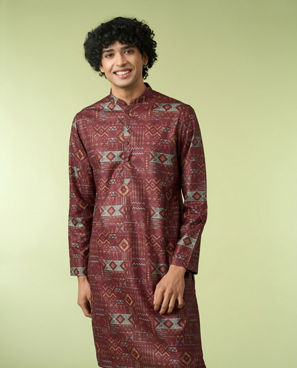
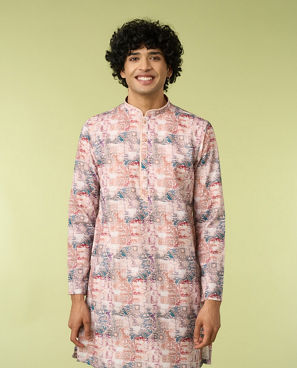
Contrast sets — where the pajama is in a neutral or complementary color rather than matching the kurta — are the most flexible approach and the most common in everyday dressing. A printed kurta with white pajamas, a coloured kurta with ivory pajamas — this works across most kurta colors and most occasions.
The Occasions a Kurta Pajama Covers
Eid — the complete kurta pajama set is the default and the most appropriate Eid outfit. A matching white or pastel set in fine cotton or mulmul for the morning. A richer set in chanderi or silk-blend for evening gatherings. The occasion that most consistently rewards a complete unit.
Onam and Pongal — South Indian harvest festivals welcome white cotton sets as the most traditional and widely worn choice. A crisp white set with subtle border detail is clean, culturally connected, and consistently right for both occasions.
Navratri — vibrant, color-coordinated sets in the festival's daily color palette make the complete outfit feel intentional rather than assembled. Each night's color becomes a considered choice across the full set.
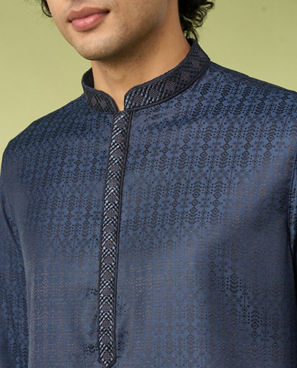
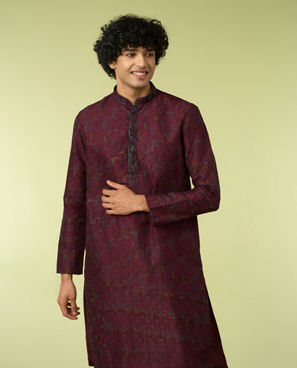
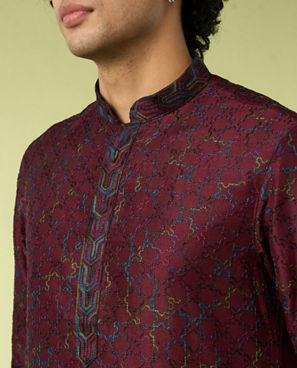
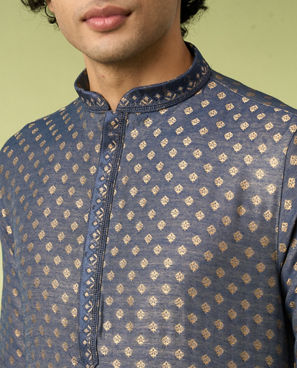
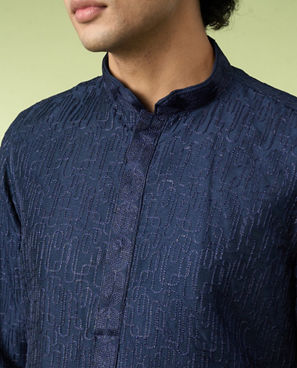
Wedding functions — silk-blend sets in deep jewel tones with embroidery are among the most complete and occasion-appropriate wedding guest looks available. The matching set signals that the outfit has been thought about — and at a wedding, that matters.
Friday prayers and religious occasions — a clean, simple cotton set in white, cream, or a soft neutral is the standard and most respectful choice. Comfortable, appropriate, and genuinely well-dressed.
Casual family occasions — a plain cotton kurta pajama in a solid color is one of the most effortlessly well-dressed everyday options. No overthinking required — the set does the work.
Small Details That Elevate the Complete Look
When you're wearing a kurta pajama as a full set, the details matter more than they do with individual pieces — because the eye travels the complete outfit from top to bottom.
The waistband should sit cleanly and comfortably — not pulled tight, not sagging. An elasticated or drawstring waistband that sits at the natural waist creates the best silhouette.
The ankle finish determines how the pajama ends its journey — and it should end cleanly. Churidar gathers should be even and not excessive. Straight-cut hems should be level and well-pressed. Slim-fit ankles should taper consistently without pinching.
The length of the pajama should allow six to ten centimeters of the pajama to show below the kurta hem — enough to register as a deliberate bottom wear choice, not so much that it becomes the dominant visual element of the outfit.
Pressing matters more for a complete set than for individual pieces — a well-ironed kurta pajama set in even a simple cotton fabric looks significantly more considered than an unironed one in a more expensive material.
FAQs
1. Is it better to buy a kurta pajama as a set or separately?
Buying as a set is generally the better approach for most occasions — the fabric, weight, and color are designed to work together, resulting in a more cohesive look than mix-and-match dressing. Buying separately makes more sense when you want to build outfits around existing wardrobe pieces or when you need a specific color combination that isn't available as a set.
2. What is the difference between a pajama and a churidar?
A pajama is a straight- or slightly tapered-bottom wear piece with a relaxed fit through the leg. A churidar is cut longer than the leg length and gathers in folds at the ankle, creating the characteristic ruched finish. Churidars are more formal and traditionally specific; pajamas are more versatile across casual and festive settings.
3. What color pajama works best with a printed kurta?
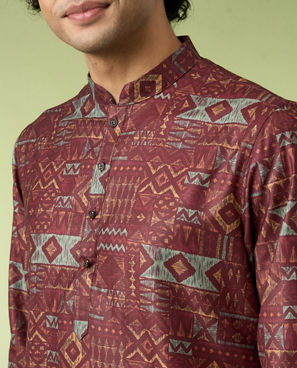
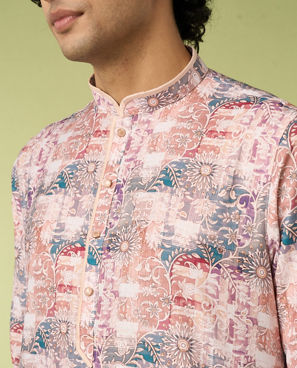
White and ivory are the most universally effective choices — they stay neutral and let the printed kurta lead the outfit. Off-white and cream are slightly warmer alternatives that suit printed kurtas in earthy or warm color palettes particularly well. Avoid patterned or coloured pyjamas with printed kurtas — the combination almost never works.
4. Can a kurta pajama set be worn for a wedding reception?
Yes — a silk-blend set in a deep jewel tone with embroidery is an entirely appropriate and genuinely impressive wedding reception choice. The matching set creates a completeness and intentionality that individual pieces can't always replicate. Pair with embroidered juttis and minimal accessories for the most polished result.
5. How do I care for a silk-blend kurta pajama set?
Dry cleaning is the safest option for silk-blend sets — it preserves both the fabric's luster and the embroidery's integrity. For hand washing, use cold water with a gentle detergent, handle without wringing, and dry flat in shade away from direct sunlight. Iron on the reverse side using a low heat setting or steam from a distance. Store on a hanger or folded with tissue paper to prevent crease marks.












_09-02-2026-19-29:Swatch)