Colour plus craft: what this page is really about
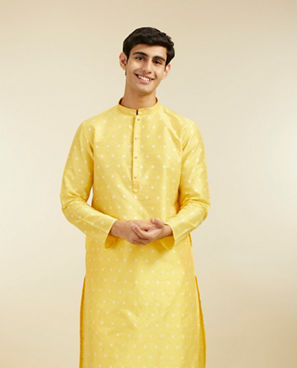
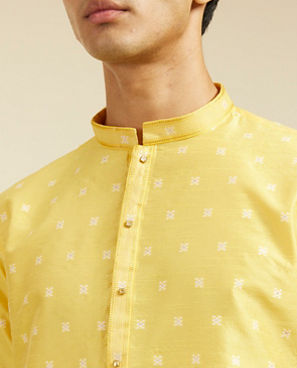
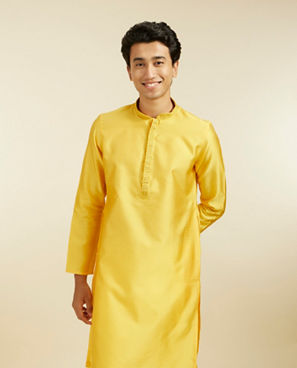
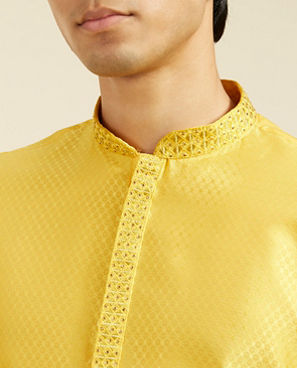
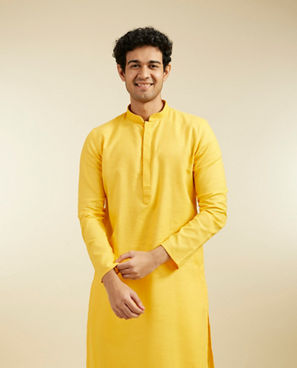
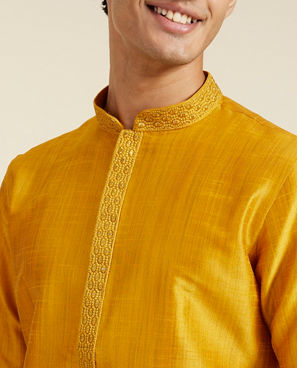
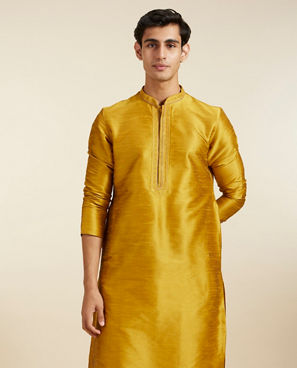
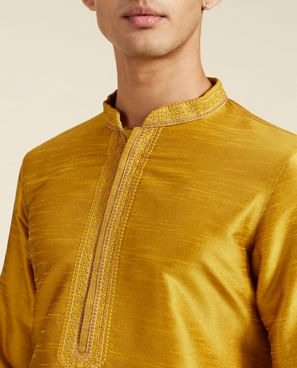
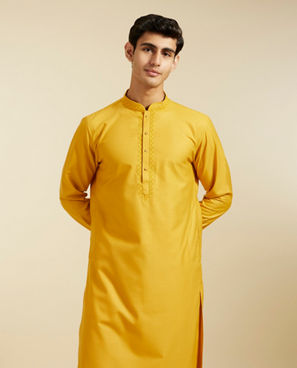
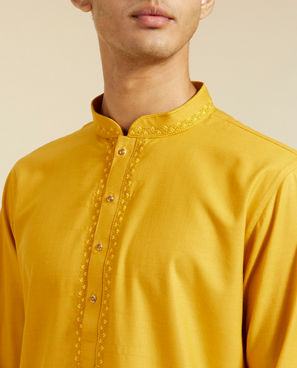
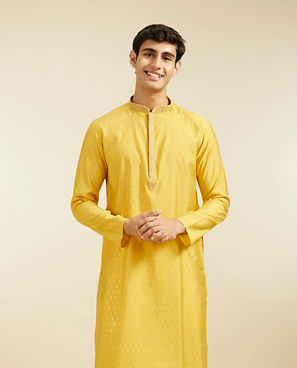
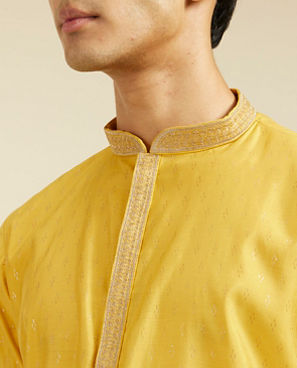
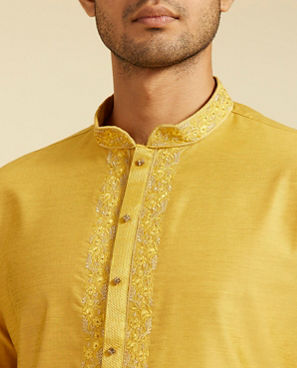
This yellow embroidery kurta page focuses on kurtas where embroidery is the hero—threadwork, chikankari‑style textures, zari hints, sequins or mirror touches—set against shades of yellow that instantly read festive. From soft lemon to deeper mustard, the colour does the “sunshine” work, while the embroidery adds pattern, depth, and a little drama.
Rather than being just “haldi kurtas”, these yellow embroidery kurta styles are imagined as repeat‑worthy celebration pieces you can wear across pujas, festivals, weddings, and family functions with small styling changes.
Where a yellow embroidery kurta shines most
Yellow already belongs at the centre of a lot of Indian celebrations; adding embroidery only makes it feel more intentional. You’ll find a yellow embroidery kurta feels especially right when:
-
You’re dressing for a haldi ceremony—the classic space for yellow, where embroidered details make you look more groom‑side than guest‑side.
-
There’s a mehendi or day wedding event, and you want something bright but still rich enough for photos and video.
-
It’s main‑day Diwali or a peak‑festive house party, and you’d like your kurta to match the glow of diyas and marigold décor.
-
You’re attending Ganesh Chaturthi, Navratri, or other temple‑centric festivals, where yellow and embroidery both feel auspicious and respectful.
Because yellow is traditional yet very much on‑trend, the kurta sits comfortably at everything from society functions to destination weddings.
The embroidery story: not just chikankari
“Yellow embroidery kurta” covers a wider craft spectrum than just chikankari. You’ll see:
-
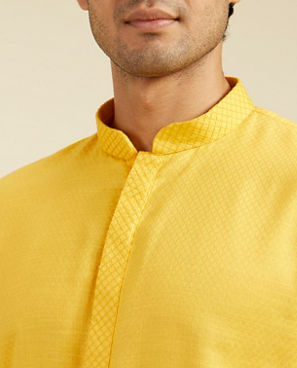
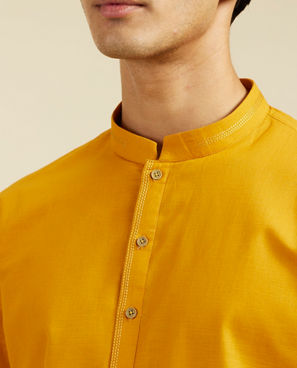
Tone‑on‑tone thread embroidery – petal motifs, jaals, or self‑design effects that give texture without overpowering the base.
-
Chikankari‑inspired work – Lucknowi‑style stitches and motifs that sit lightly on yellow, often paired with subtle sequins for day‑to‑evening wear.
-
Multi‑colour and contrast threadwork – think maroon, green, or metallic threads over lemon or mustard yellow for a sharper festive look.
-
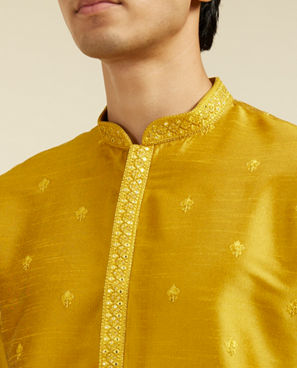
Zari, mirror and sequin highlights – embroidery combined with shimmer or mirror pieces, ideal for sangeets, big Diwali parties and high‑energy haldi events.
The shared idea: let the embroidery do the styling work for you, so even with simple bottoms and accessories, the outfit feels celebration‑ready.
Shades of yellow, different embroidery moods
The same embroidery can read very differently depending on the yellow underneath. Within this yellow embroidery kurta range you’ll typically find three shade families:
-
Lemon and mellow yellow – softer, pastel‑leaning tones where fine threadwork and chikankari look delicate and romantic, ideal for day events and softer haldi set‑ups.
-
Sunshine and light yellow – brighter, marigold‑adjacent hues where embroidery stands out more clearly; perfect for mehendi, Holi, and vibrant Diwali nights.
-
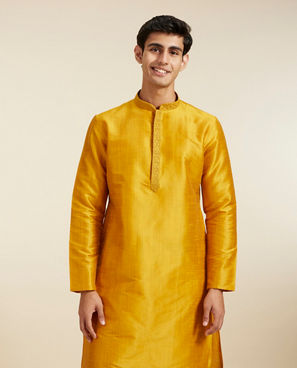
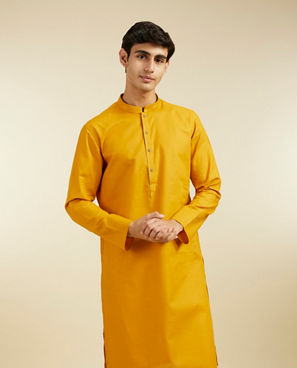
Mustard and golden yellows – deeper, slightly earthy shades where zari, sequins, and dense embroidery feel regal and reception‑ready.
Your choice of shade plus embroidery density decides whether your yellow embroidery kurta lands as calm, energetic, or unmistakably grand.
Fabric choices that keep it wearable
For embroidery to sit well and yellow to look rich, the fabric underneath has to work hard without feeling heavy. Diwas and similar ranges lean into:
-
Cotton and cotton‑blend bases – best for breathable, embroidered yellow kurtas you can wear during hot haldi afternoons, temple visits, and outdoor festivals.
-
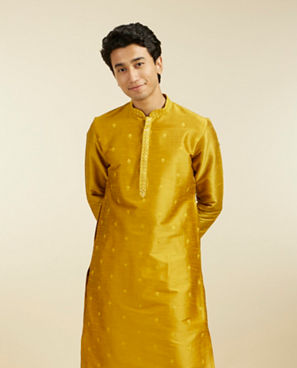
Art silk and silk‑feel weaves – fabrics with a gentle sheen that lift both colour and embroidery, particularly suited to mustard yellow kurtas with intricate zari or multi‑thread work.
-
Viscose and viscose‑blends – lightweight, fluid fabrics that drape well, let embroidery lie flat, and feel easy from first ritual to last group photo.
Together, these choices make the kurta feel like a true “wear all day” piece, not something you want to take off after an hour of ceremonies.
How a yellow embroidery kurta behaves across events
Think of your kurta as a shape‑shifter; the same piece can play very different roles across your calendar.
1. Haldi hero
-
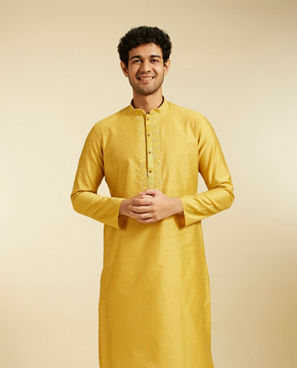
A bright yellow kurta with embroidery around the neck, placket, or all‑over florals.
-
Styled with white or off‑white pyjamas and simple sandals or mojaris, it feels exactly right in the middle of turmeric, flowers, and laughter.
2. Diwali main‑day
-
A mustard or sunshine yellow kurta with more intricate embroidery or shimmer details.
-
Paired with churidar and slightly sharper footwear, it matches the energy of card nights, house parties, and endless photo requests.
3. Temple and puja settings
-
A softer yellow kurta with more restrained work—perhaps tone‑on‑tone threads only.
-
Worn with cotton pyjamas and minimal accessories, it reads calm, respectful, and still distinctly festive.
4. Semi‑formal city evenings
-
An embroidered yellow kurta in a slightly muted or ochre tone.
-
Styled with tailored trousers and loafers, it sits nicely at restaurant celebrations, office functions, and family dinners.
Across all four, the same broad idea—yellow plus embroidery—adjusts tone through shade, fabric, and pairings.
Styling moves that keep it interesting
Because the kurta already has both colour and surface work, styling the kurta is about editing, not over‑adding.
Try:
-
Neutrals that frame, not fight – white, cream, beige, and light gold bottoms keep focus on the kurta while still feeling festive.
-
Smart contrast accessories – maroon, green, or navy safas, pocket squares or stoles work beautifully against yellow and echo Manyavar’s broader styling language.
-
Footwear with a hint of colour – tan, brown, maroon, or green mojaris and jutis pick up tones from your embroidery without making the look busy.
-
Lightweight layers when needed – a contrasting Nehru jacket or bandi over a more subtly embroidered yellow kurta instantly levels it up for higher‑profile functions.
A watch, kada, or ring is usually enough; let the embroidery, colour, and fabric carry the outfit.
Yellow embroidery as part of a compact wardrobe
In a small celebration wardrobe, this kurta does a lot of heavy lifting. It fills the “vibrant, auspicious, camera‑ready” slot that neutrals, blues, or dark tones can’t quite cover.
Placed alongside:
-
a cream or beige kurta for simple rituals, and
-
a deeper colour (navy, bottle green, maroon) for more formal or evening events,
A yellow embroidery kurta becomes:
-
your obvious pick for haldi, Holi, and temple‑centric festivals;
-
a strong option for Diwali main‑day and family celebrations;
-
a “mood lifter” piece any time you want your outfit to match a bright, social plan.
Because embroidery makes it feel special even with basic bottoms, you can keep rotating the same kurta across years—changing how you style it rather than constantly buying new ones.
How it plays with photos and reels
Yellow is one of the most forgiving and flattering colours on camera—neither too dark nor easily washed out. Add embroidery, and you get texture that reads well in both close‑ups and full‑length frames.
Practically, that means a yellow embroidery kurta:
-
Pops against marigold décor, green backdrops, and even neutral banquet settings.
-
Holds its own in group photos, making you look dressed for the moment without overshadowing the couple.
-
Looks great in haldi and Diwali reels where movement, light, and colour are all constantly shifting.
If you care about how your celebration looks live and in your gallery later, this category is an easy win.
FAQs
1. Is a yellow embroidery kurta only for haldi?
No. While it’s perfect for haldi, this kurta also works for Diwali, temple festivals, mehendi, daytime weddings, and family pujas—styling and shade decide how formal it feels.
2. What bottoms work best with a yellow embroidery kurta?
White, cream, beige, and light gold pyjamas or churidars are the easiest; for more contemporary looks, some pieces also pair well with neutral trousers or denims.
3. How is a yellow embroidery kurta different from a yellow chikankari kurta?
Chikankari focuses on fine, often tone‑on‑tone stitches; kurtas here also includes zari, multi‑thread motifs, sequin and mirror work, and more pronounced surface patterns.
4. Will a yellow kurta feel too loud?
Not if you choose the right combination of shade and work. Lemon and soft yellows with tone‑on‑tone embroidery feel gentle; brighter and mustard yellows with denser work are better when you want a stronger statement.
5. Can I restyle the same yellow kurta across seasons?
Yes. By changing bottoms, footwear, layers, and accessories, the same kurta can move from haldi and Holi to Diwali and temple festivals over multiple years.
















_02-09-2024-00-54:297-368)
_02-09-2024-00-55:297-368)
_02-09-2024-00-54:Swatch)