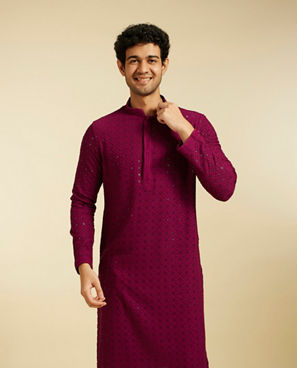
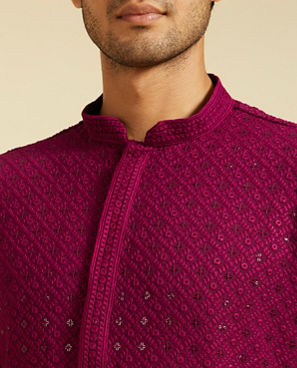
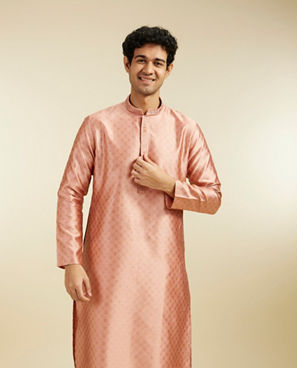
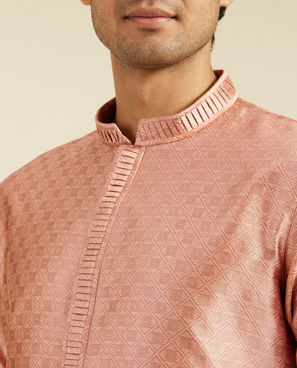
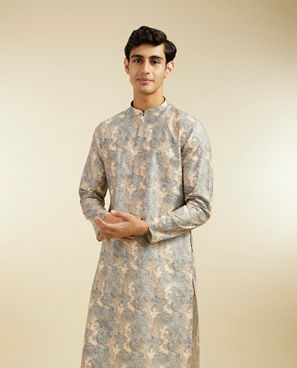
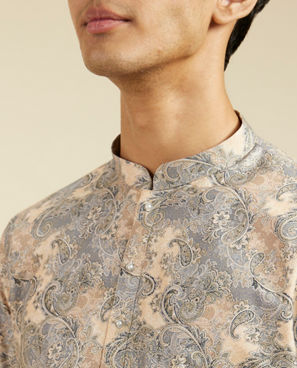
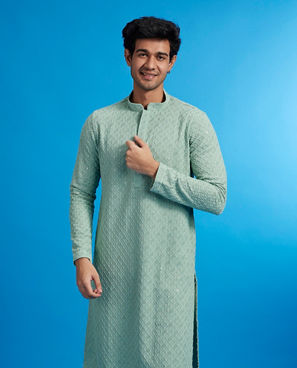
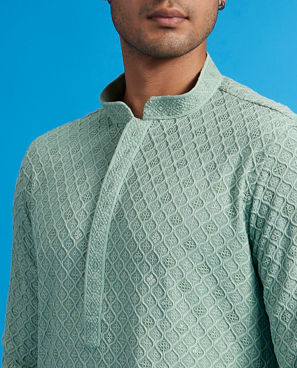
Eid Kurtas for Men – Dress for the Morning, the Prayer, and Everything After
Eid has its own energy — and anyone who has experienced it knows exactly what that means. The pre-dawn preparation, the crisp new clothes laid out the night before, the walk to the mosque in the morning air, the embraces and greetings that follow. Eid dressing is not just about looking good. It is about participation — in a tradition, in a community, in a moment that happens once a year and carries the weight of everything that comes with it. At Diwas, the Eid kurta collection is built with this understanding. Every piece is chosen to be worn on a day that matters — with the color, the craft, and the quality that the occasion has always deserved.
The Tradition of New Clothes on Eid
Wearing new clothes on Eid — particularly for Eid-ul-Fitr — is a Sunnah, a practice connected to the spirit of celebration, gratitude, and renewal that defines the festival. The tradition is not about extravagance. It is about marking the day as distinct, as significant, as worthy of effort. A new kurta for Eid is therefore not a fashion decision — it is an act of participation in something much larger than personal style.
This context shapes how an Eid kurta should be chosen. It should feel special without being ostentatious. It should be clean and considered without being over-embellished. It should honour the occasion's significance through the quality of the choice rather than the loudness of it. The best Eid kurtas are the ones that feel right — culturally, spiritually, and personally — from the moment you put them on.
The Eid color Palette — What Works and Why
Color is the first and most visible decision in Eid dressing — and different color choices communicate different things about how the wearer understands the occasion.
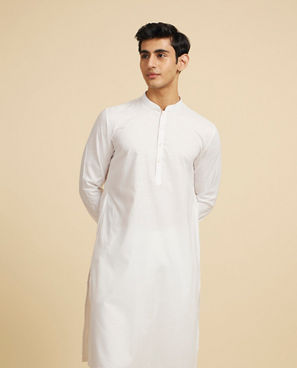
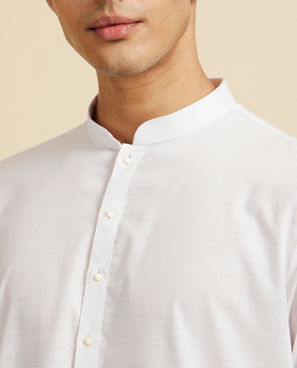
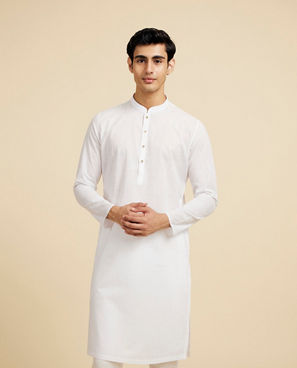
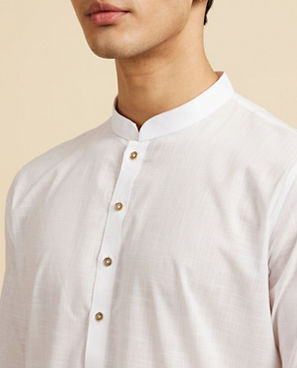
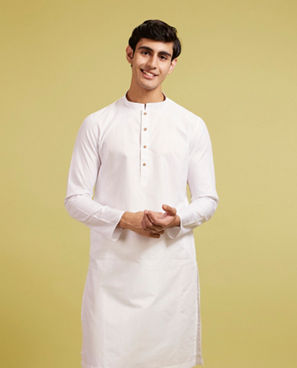
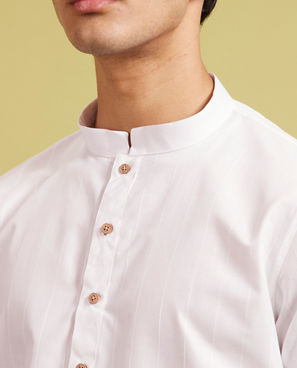
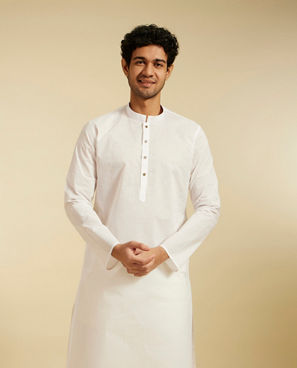
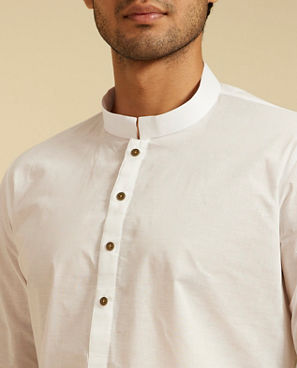
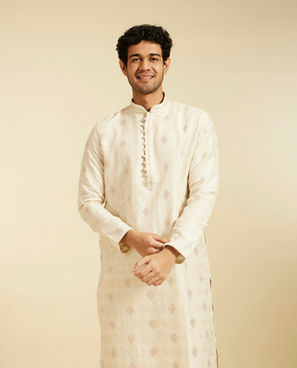
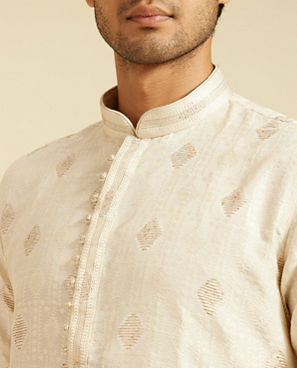
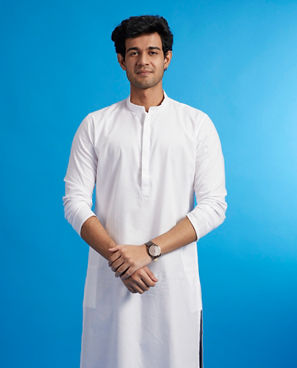
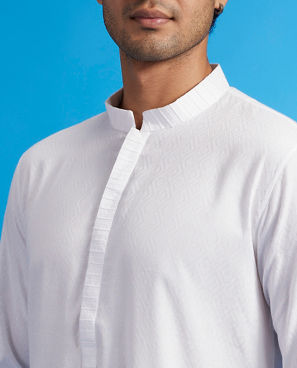
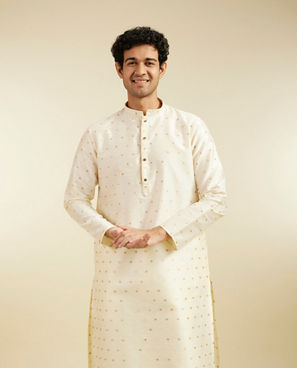
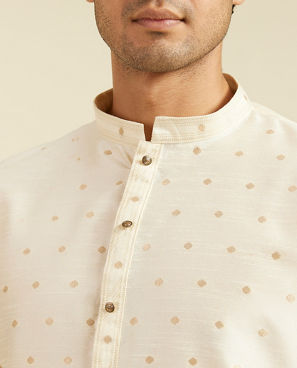
White and Cream are the most widely worn Eid colors for men across every region and community. White carries associations of purity, freshness, and new beginnings that align precisely with Eid's spirit of renewal after Ramadan. A white or cream kurta on Eid morning in fine mulmul or cotton is one of the most culturally and aesthetically correct choices available.
Pastel — powder blue, blush, soft green, lavender — have become increasingly popular for Eid over the last decade, particularly among younger men. Pastel Eid kurtas work beautifully in the natural morning light typical of Eid prayers and early gatherings. They're fresh, festive, and distinctive without departing from the occasion's spirit.
Deep jewel tones — navy, Bottle green, teal, royal blue — are strong choices for Eid evening gatherings and occasions where the celebration continues into the afternoon and night. These colors carry the significance and festive weight appropriate for a major celebration.
Green holds particular cultural significance for Eid — its association with the occasion runs deep across Islamic cultural traditions. A bottle green or forest green kurta for Eid is both aesthetically strong and culturally resonant.
Charcoal, grey, and off-white are understated but entirely appropriate choices — particularly for men whose Eid dressing philosophy leans towards restraint and refinement over color and festivity.
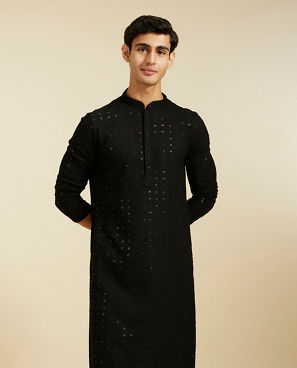
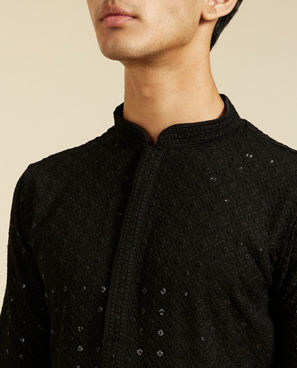
What to generally avoid: very dark colors like black for Eid morning prayers — the occasion's spirit of freshness and celebration is better served by lighter, warmer options at the start of the day.
Eid-ul-Fitr vs Eid-ul-Adha — Does the Dress Code Differ?
The two Eids share the same fundamental dressing principles — new clothes, clean appearance, culturally appropriate color — but the contexts are slightly different.
Eid-ul-Fitr falls after Ramadan, typically in spring or early summer depending on the year. The mood is one of joy and relief — the fast is complete, the month of devotion has been honoured, and the celebration is bright and community-focused. The colors, fabrics, and styles appropriate for this occasion lean towards the lighter, fresher end of the spectrum — white, pastels, fine cotton, mulmul.
Eid-ul-Adha carries a different character — more solemn in its religious significance, associated with sacrifice and gratitude. The dressing is equally considered but can lean towards richer, deeper colors and more substantial fabrics. Deep greens, navy, and warm neutrals suit the character of this occasion well.
Understanding this distinction helps you choose with more intention — not just a kurta that's appropriate for Eid in general, but one that feels right for the specific Eid you're dressing for.
The Fabrics That Define Eid Dressing
Mulmul and fine muslin are the most iconic Eid fabrics — particularly for Eid-ul-Fitr in the warmer months. The extraordinary softness and lightness of mulmul makes it one of the most comfortable garments you can wear on a day that begins before dawn and continues well into the afternoon. In white or cream, a mulmul kurta on Eid morning is a combination of function and beauty that nothing else quite replicates.
Cotton covers the widest range of Eid dressing needs — breathable, practical, available in every appropriate color, and easy to maintain across a long celebration day. The everyday workhorse of Eid dressing, and an entirely honourable choice.
Chanderi moves the Eid kurta into genuinely festive territory. The fabric's gentle sheen gives color more depth and the overall garment more occasion-appropriate presence than plain cotton. A strong choice for men who want their Eid kurta to feel more elevated without going into full formal wear.
Cotton-silk blend is the most versatile festive option — enough silk for visual depth and sheen, enough cotton for comfort across a full day of prayer, visiting, and celebration. Works equally well for Eid morning and evening gatherings.
Silk-blend is the most formal interpretation of Eid dressing — appropriate for men who attend formal Eid dinners, large gatherings, or occasions where the celebration has the character of a significant social event. In deep jewel tones with subtle embellishment, silk-blend Eid kurtas are genuinely impressive.
Chikankari for Eid — The Most Natural Pairing
Of all embellishment traditions, Chikankari is the most naturally suited to Eid dressing — and the reasons are cultural as much as aesthetic.
The Chikankari tradition has its roots in the Muslim cultural heritage of Lucknow — the same Nawabi court culture that gave Eid celebrations in this part of the world their distinctive character of refinement and elegance. Wearing a Chikankari kurta on Eid is therefore not just an aesthetic choice but a culturally connected one — the craft and the occasion share a heritage.
Beyond the cultural connection, Chikankari's practical qualities suit Eid perfectly. The embroidery adds festive detail without weight or stiffness — a Chikankari kurta is as comfortable to wear through a day of prayer and visiting as a plain one, but significantly more beautiful. White Chikankari on white or cream fabric for Eid morning is the most iconic and most appreciated combination.
The Complete Eid Look — Putting It Together
The Eid kurta is the foundation of the look — everything else should support it simply and cleanly.
White or ivory churidars for white and cream kurtas — the most traditional and most cohesive Eid pairing. The complete monochromatic set of white kurta and white churidars is a classic for a reason.
Tonal churidars for colored kurtas — a powder blue kurta with ivory churidars, a forest green kurta with cream churidars. Keeping the bottom wear within the warm neutral family allows the kurta's color to lead without competition.
A Nehru jacket or waistcoat for men who want additional formality — particularly for Eid evening gatherings or formal celebrations. Ivory over white, or a deeper complementary tone over a colored kurta.
Footwear — clean juttis, embroidered mojaris, or simple leather sandals depending on the formality of the occasion. For the mosque in the morning, footwear that can be slipped off and on easily is practically important.
Attar — the traditional fragrance worn on Eid — is part of the complete dressing tradition. The Sunnah of applying fragrance on Eid is as much a part of Eid preparation as the kurta itself.
A Note on Planning Ahead
The single most common Eid kurta mistake is leaving the choice too late. Ramadan is a month of reflection and preparation — and Eid dressing should be part of that preparation. Choosing and securing the kurta during Ramadan rather than in the last few days before Eid means the right fabric is available, the right fit can be achieved, and the morning of Eid begins with the outfit ready rather than the decision still being made.
The Diwas Eid collection is available throughout the year — not just in the weeks before the festival. The right time to shop for an Eid kurta is when you find the one that feels right, not when the calendar says you have to.
Frequently Asked Question (FAQs)
1. What color kurta is most appropriate for Eid prayers?
White and cream are the most widely worn and most culturally appropriate choices for Eid prayers — the colors' associations with purity and freshness align with the occasion's spirit. Pastels and soft colors are strong alternatives, particularly for younger men. Deep jewel tones are more appropriate for afternoon and evening Eid gatherings than for the morning prayer.
2. What is the best fabric for an Eid kurta in summer?
Mulmul and fine cotton are the most practical choices for summer Eid celebrations — both are lightweight, breathable, and comfortable across a full day that starts before dawn. Mulmul in white or cream is the most iconic summer Eid fabric choice. For cooler weather Eid occasions, chanderi and cotton-silk blend provide more warmth and festive presence.
3. Should an Eid kurta be heavily embellished or simple?
The most appreciated Eid kurtas balance craft and restraint. Chikankari embroidery — delicate white thread work that adds detail without heaviness — is the most culturally connected embellishment choice for Eid. Heavy zari embroidery and dense embellishment are better suited to wedding functions than to Eid morning dressing. The occasion's spirit of renewal and freshness is better served by considered refinement than by maximum embellishment.
4. Can the same kurta be worn for both Eid-ul-Fitr and Eid-ul-Adha?
Yes — a versatile choice like a white Chikankari in fine cotton or a deep green kurta in chanderi works across both occasions. If you prefer to dress differently for each Eid, Eid-ul-Fitr generally suits lighter, fresher colors and fabrics while Eid-ul-Adha suits richer, deeper tones and more substantial fabrics.
5. How far in advance should I shop for an Eid kurta?
Ideally during Ramadan — choosing your Eid kurta as part of the month's preparation rather than in the final days before the festival. This ensures the right fabric and fit are available without the last-minute pressure that can lead to a compromise choice. The Diwas Eid collection is available year-round for exactly this reason.