Navratri Kurtas for Men – Nine Nights, Nine Colors, No Repeats
Navratri is the most color-specific festival in the Indian calendar. Each of the nine nights has a designated color — and across Gujarat, Maharashtra, and increasingly the rest of India, the tradition of dressing in that night's color is observed with genuine enthusiasm. For men, this creates both an opportunity and a responsibility: nine separate outfit decisions, each tied to a specific color, across nine consecutive nights of garba, aarti, and community celebration. At Diwas by Manyavar, the Navratri collection covers every color on the nine-night roster — in fabrics built for dancing, silhouettes designed for movement, and styles that look as good at 11 pm on the garba floor as they did when you left the house.
The Nine-Night Color Calendar — And What to Wear for Each
Navratri's color sequence varies slightly by region and year, but the core palette is consistent — and the Diwas collection addresses every shade on it.
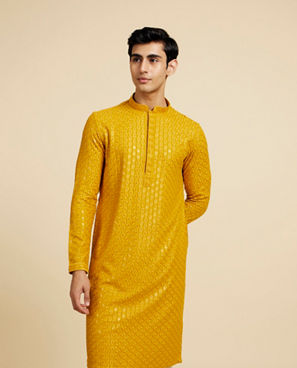
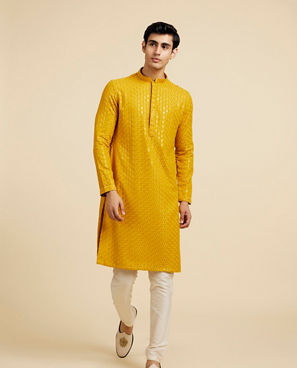
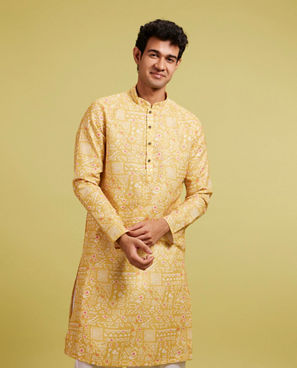
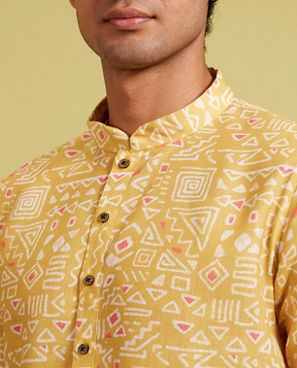
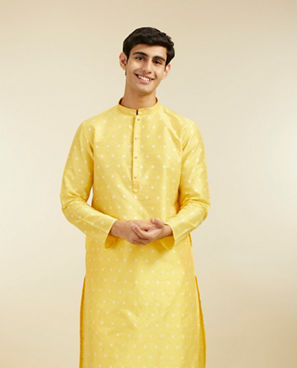
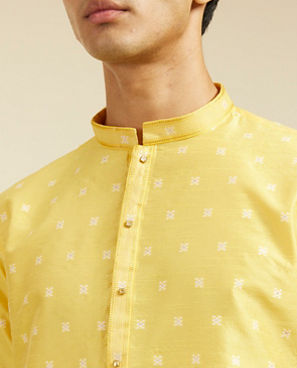
Yellow and gold open the festival's color story with warmth and auspiciousness. The Sunlit Elegance Yellow Kurta and the Mustard Majestic Kurta cover both ends of the yellow-to-mustard spectrum — the first vibrant and fresh for bright yellow nights, the second warm and grounded for the mustard and golden-yellow evenings. Yellow at Navratri connects directly to the goddess Brahmacharini's color association and photographs beautifully under the warm, colored lighting typical of garba venues.
Green represents growth and the natural world — a color associated with Goddess Chandraghanta. Any deep or mid-tone green kurta from the collection covers this night effectively — the key is choosing a shade vibrant enough to hold its own in the lively, colorful garba setting.
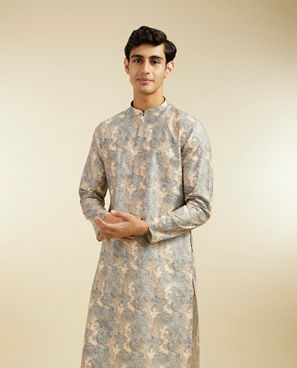
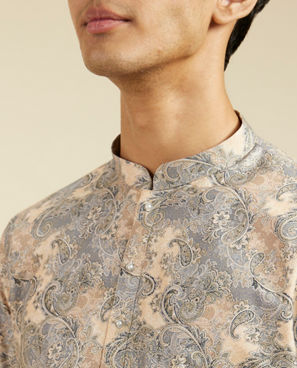
Grey is the color of Kushmanda — a quieter, more contemplative night on the Navratri roster. The Beige Elegance Kurta sits in the warm neutral family that suits this evening's more restrained color tradition, while the Elegant Beige Cotton Kurta offers a lighter, more breathable option for the same palette.
Orange and saffron nights — associated with Skandamata — call for the warmest, most vibrant shades in the collection. The Peach Elegance Kurta bridges the peach-to-orange range with an elegant warmth that suits both the devotional and festive character of this night.
White is the color of Katyayani — clean, pure, and visually striking in the garba setting. A crisp white or ivory kurta pairs perfectly with the colorful energy of the garba floor around it.
Red is associated with Kaalratri and is one of the most vibrant and energetic nights of Navratri. The Lustrous Red Kurta answers this night's call completely — the color's richness and the fabric's quality make it one of the most impactful pieces in the entire Navratri range.
Royal blue and peacock blue nights — associated with Mahagauri — call for the kind of confident, vibrant blue that holds its own in a crowd. The Turquoise Blue Festive Kurta is one of the collection's strongest Navratri pieces — the color is vivid, festive, and genuinely striking under garba venue lighting.
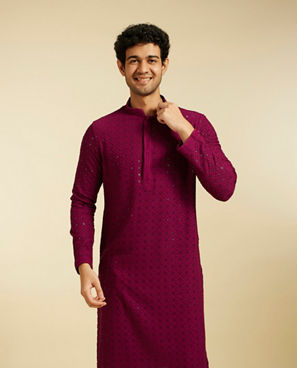
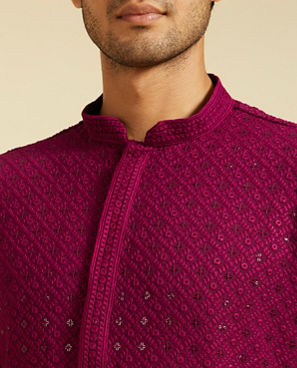
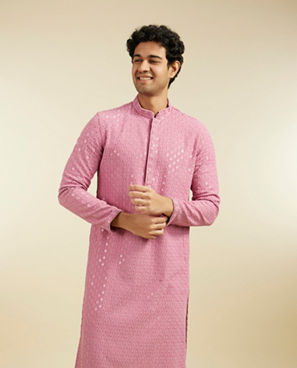
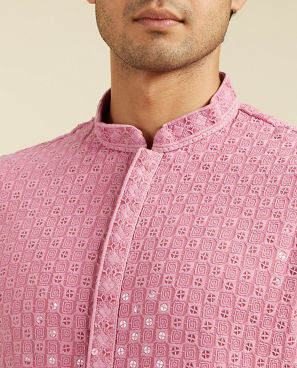
Pink and purple nights close out the nine-night sequence with a combination of warmth and depth. The Sublime Lilac Kurta covers the purple-lilac range with a refinement that suits Navratri's final nights beautifully. The Purple Delight Kurta goes deeper — richer and more vibrant for men who want the purple night to make a genuinely bold statement.
What Makes a Good Navratri Kurta Different From Any Other Festive Kurta
Not every festive kurta is built for Navratri — and understanding the distinction helps you choose pieces that actually work across nine active, energetic nights of celebration.
Movement matters. Garba involves continuous, rhythmic movement — circular patterns, hand gestures, and the kind of physical engagement that a stiff, heavily embellished kurta actively works against. A good Navratri kurta moves with the body rather than restricting it. Loose silhouettes, lighter fabrics, and minimal heavy embellishment are what the garba floor rewards.
The lighting is specific. Navratri garba venues use colored lighting — reds, yellows, purples — that interacts with fabric colors in specific ways. Colors that appear vibrant in natural light look even more vivid and energetic under colored garba lighting. Choosing colors with genuine saturation and depth ensures they perform well in the actual setting of the celebration rather than just in the mirror before you leave.
Comfort over hours. Navratri celebrations run late — garba doesn't stop at 9pm. The kurta you're wearing at midnight needs to be as comfortable as the one you put on at 7pm. Breathable fabrics, relaxed fits, and practical silhouettes make the difference between enjoying the full night and counting down to when you can change.
The Fabric Question for Navratri
October's weather varies significantly across India — and the fabric decision for Navratri should reflect where you're celebrating and what the evenings feel like.
In Gujarat and Rajasthan, October evenings can be warm — particularly in the first half of the month. Cotton and cotton-blend kurtas are the most practical choices. The Elegant Beige Cotton Kurta is a strong example of what works here — breathable, comfortable, and appropriate for the physical energy of garba.
In Maharashtra and North India, October evenings cool as the month progresses—particularly after Dussehra. Cotton-silk blends and lighter chanderi pieces become appropriate as the festival continues into cooler nights.
In South India, where Navratri is observed with more home-and-temple focus rather than garba, the fabric requirements shift — quality cotton or chanderi in the appropriate colors suits the more devotional character of the southern tradition.
Across all regions, avoid heavy silk and dense embellishment for active garba nights — the fabric's impracticality in a physical celebration setting makes these choices genuinely uncomfortable over the course of a long evening.
The Black Exception — When Dark Works at Navratri
Black is not traditionally a Navratri color — the festival's palette is defined by vibrant, devotional, and auspicious colors rather than dark or neutral ones. However, for the non-garba, party-adjacent celebrations that increasingly accompany Navratri — the pre-garba dinners, the post-garba gatherings, the social events that orbit the nine-night festival — a sharply dressed black kurta is entirely appropriate.
The Black Elegance Kurta is the collection's answer to this specific need — a piece that is not built for the garba floor but is perfect for the evening events surrounding it. Wear it for the dinner before, the gathering after, or any of the social occasions that orbit the nine nights without belonging strictly to the garba tradition.
Styling for the Garba Floor — Practical and Festive Simultaneously
Navratri styling is governed by one principle above all others: you need to be able to move freely and dance comfortably for hours. This shapes every decision from the kurta's silhouette to the footwear to the accessories.
Straight-cut or slightly flared kurta silhouettes allow the freedom of movement that garba requires. Avoid very fitted or structured kurtas that restrict arm and shoulder movement.
White or ivory churidars work with every color in the Navratri palette — they're the safest and most versatile Navratri bottom wear choice. For a more festive look, match the churidar color loosely to the kurta's palette.
Footwear should be practical. Traditional garba footwear — mojaris, juttis, or simple leather chappals — is flat and appropriate for extended dancing. Avoid formal or very stiff footwear that makes garba movement uncomfortable.
Accessories minimal — a single bracelet and a watch. Loose jewellery or heavy accessories create practical problems on the garba floor and are best left at home.
Building Your Nine-Night Navratri Wardrobe
The most considered approach to Navratri dressing is planning across the full nine nights — not just the one or two you're most likely to attend.
Start with the nights you're most committed to attending and choose the specific color kurta for each. Then fill in the remaining nights with pieces that also serve the rest of your celebration wardrobe — a red kurta that works for Diwali, a yellow one for spring festivals, a turquoise blue for Eid, a lilac for wedding functions.
The Diwas Navratri collection is built with this cross-occasion versatility in mind. Each piece is designed for Navratri's specific color requirements while being genuinely wearable beyond the nine nights. The Sunlit Elegance Yellow Kurta, Lustrous Red Kurta, Turquoise Blue Festive Kurta, and Purple Delight Kurta each serve Navratri's color calendar while covering multiple other occasions in the year ahead.
Frequently Asked Questions (FAQs)
1. Do men have to follow the nine-night color code at Navratri?
The color code is a tradition, not a strict rule — but following it is widely appreciated and creates a beautiful visual experience at garba venues where the entire crowd is dressed in the same color. For men attending garba, aligning with the night's color shows cultural awareness and genuine participation in the festival's tradition. For men attending only the social events around Navratri, the color code is observed less strictly.
2. What is the most important Navratri color to own a kurta in?
Red, yellow, and royal or turquoise blue are the three most widely observed and most visually impactful Navratri colors. If you're choosing pieces specifically for the festival, these three cover the most significant nights and photograph most impressively in the garba setting. The Lustrous Red Kurta and Turquoise Blue Festive Kurta are two of the strongest starting points in the collection.
3. Can I wear an embroidered kurta for garba or is it too formal?
Light embellishment — subtle thread work along the neckline and placket — is entirely appropriate for garba and adds a festive detail that suits the occasion. Heavy embroidery, dense zari work, and structured formal embellishment are better avoided — they restrict movement and feel disproportionate for an active celebration setting.
4. What bottom wear works best for garba?
Churidars are the most traditional and most practically appropriate Navratri garba choice for men — the fitted silhouette allows free movement without excess fabric getting in the way. White or ivory churidars work with every color in the Navratri palette. Cotton churidars are the most comfortable for extended garba sessions.
5. Are the Navratri kurtas in this collection suitable for other occasions too?
Yes — every piece in the Diwas Navratri collection is designed to be genuinely versatile beyond the nine nights. Yellow and mustard kurtas work for spring festivals, haldi functions, and Vishu. Red suits Diwali and other festive occasions. Turquoise blue works for Eid and casual celebrations. Lilac and purple suit wedding functions and semi-formal events. Investing in a Navratri kurta is also investing in a piece that earns its place in the wardrobe year-round.

_18-04-2025-20-48:297-368)
_18-04-2025-20-48:297-368)
_18-04-2025-20-48:Swatch)
_18-04-2025-21-54:297-368)
_18-04-2025-21-55:297-368)
_18-04-2025-21-54:Swatch)