Durga Puja Kurtas for Men – From Mahalaya to Bijoya Dashami, Dress for Every Day That Counts
In Bengal, Durga Puja is not simply a festival — it is the festival. The one that the entire year builds towards. The one that children remember for decades. The one that brings families home from across the country and across the world. It begins emotionally on Mahalaya — the morning when Mahishasura Mardini plays on the radio before dawn, and the city wakes up knowing the season has arrived. It ends on Bijoya Dashami with the visarjan, the sindoor khela, and the particular bittersweet feeling that only Bengalis who have grown up with this festival truly understand.
Between Mahalaya and Dashami, the most celebrated tradition alongside the pujas themselves is pujo-r jama — new clothes for the festival. Each of the main days calls for something new, something considered, something that honors the occasion. At Diwas by Manyavar, the Durga Puja collection is built for the full arc of the festival — from the quiet anticipation of Shashthi to the maximum festive energy of Navami and the emotional farewell of Dashami.
The Festival's Architecture — Understanding Each Day Before You Dress for It
Durga Puja's five main puja days — Shashthi, Saptami, Ashtami, Navami, and Bijoya Dashami — each carry a distinct ritual character and emotional register. Dressing with this awareness is what distinguishes considered Durga Puja dressing from simply showing up in a festive kurta.
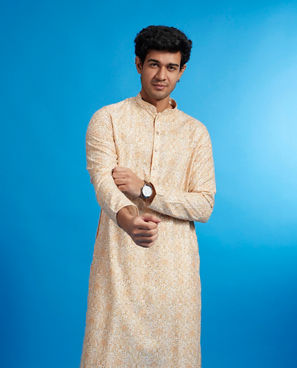
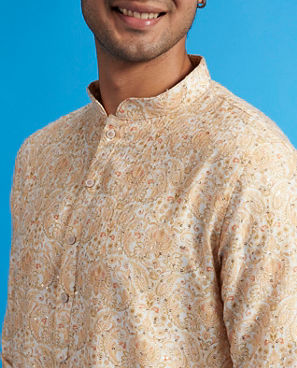
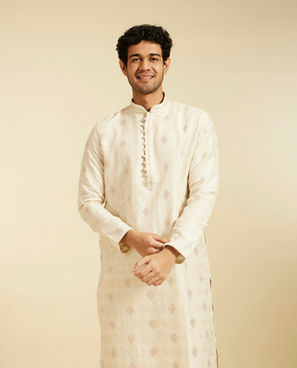
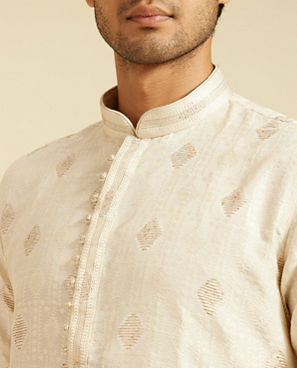
Mahalaya marks the goddess's invitation. Most Bengalis wake before dawn to listen to Mahishasura Mardini — the legendary All India Radio broadcast that has opened Durga Puja season for generations. The day is devotional and anticipatory rather than celebratory. A clean, simple kurta in white, cream, or a warm neutral suits this day's quiet, reverent character. The Elegant Cream Cotton Kurta is the right choice for Mahalaya — understated, respectful, and genuinely well-dressed.
Shashthi is Bodhan — the formal invocation and awakening of the goddess. The pandals open, the dhak begins, and the festival's collective energy arrives in full for the first time. The mood is festive but composed — the excitement of arrival rather than the full intensity of the celebrations that follow. A warm, considered kurta in an earthy or mid-tone color suits Shashthi's welcoming character. The Elegant Fawn Cotton Kurta — breathable, warm, and effortlessly well-dressed — works beautifully for this day.
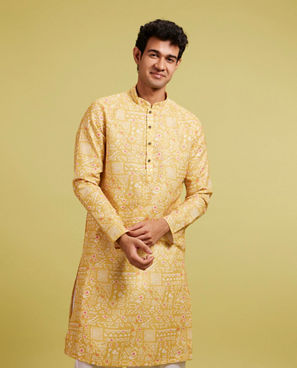
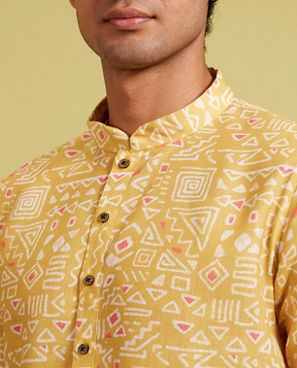
Saptami opens with the Nabapatrika puja — the ritual bathing of the nine plants that represent the goddess's nine forms — and moves into the festival's first full day of public celebration. Pandal hopping begins in earnest, crowds fill the streets, and the dhak's rhythm defines the afternoon and evening. Saptami calls for color, personality, and the kind of festive energy that makes a crowd look good. The Coral Peach Aztec Printed Kurta brings exactly the right character — vibrant, contemporary, and genuinely festive.
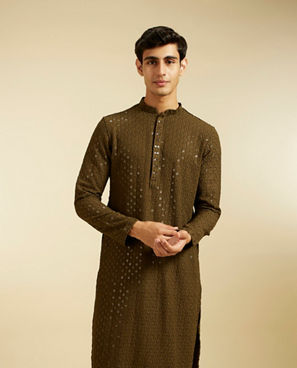
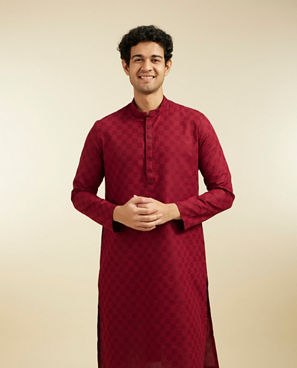
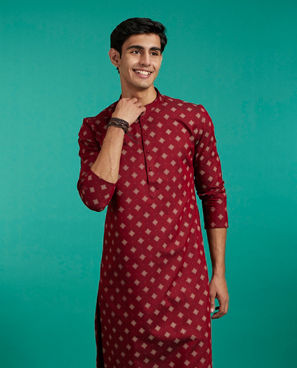
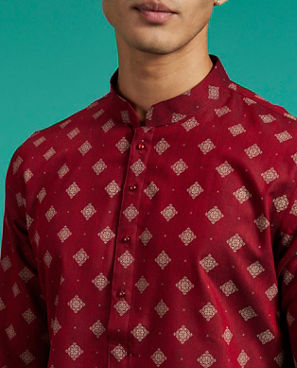
Ashtami is the most sacred day of Durga Puja. The Sandhi Puja — performed at the exact junction of Ashtami and Navami — is the festival's spiritual peak. The dress code on Ashtami traditionally respects the day's devotional significance. White and red are the most culturally connected colors. The Elegant Cream Cotton Kurta suits the morning rituals and puja attendance. For the evening, when the festivities intensify, the Maroon Radiance Kurta — rich, deep, and occasion-ready — connects to the red tradition of Ashtami dressing with the right level of festive presence.
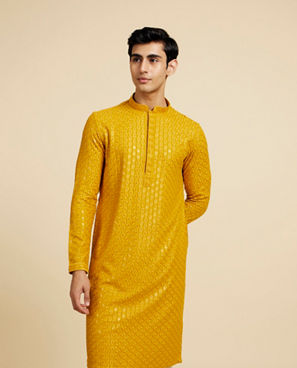
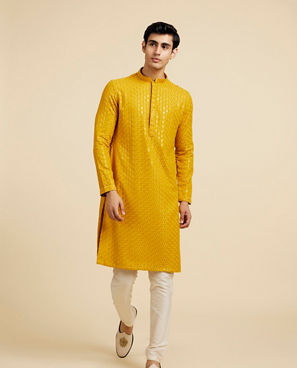
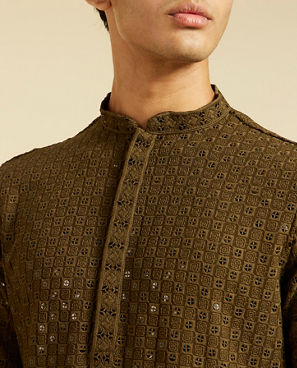
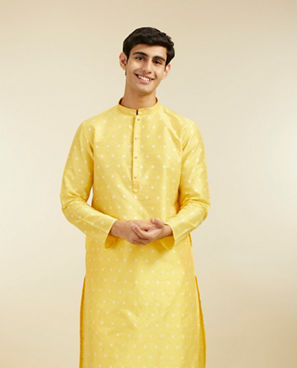
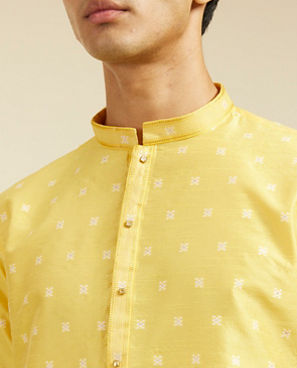
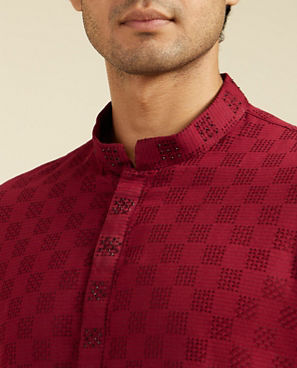
Navami is the final full day of celebration — the most uninhibited, most energetic day of the five. Knowing the festival ends tomorrow gives Navami a particular intensity. Pandal hopping reaches its peak. The streets are at maximum festive volume. This is the day to wear the most celebratory piece in your Durga Puja wardrobe. The Sunshine Yellow Buta Embroidered Kurta with Sequin is built for Navami — bright, embellished, and completely unafraid of the spotlight. The Maroon Red Grid Patterned Kurta with Embroidered Placket is the richer, more formal alternative for men who want Navami's energy in a more composed register.
Bijoya Dashami is unlike any other day in the Indian festival calendar. The visarjan — the immersion of the goddess — is accompanied by the sindoor khela ceremony and the formal exchange of Bijoya greetings. The mood is simultaneously celebratory and deeply moving. White is the traditional Bijoya Dashami color — a return to the clean, devotional simplicity of the festival's beginning. The Elegant Cream Cotton Kurta is the most appropriate and most emotionally resonant choice for this day.
The Color Traditions of Durga Puja
Durga Puja's color vocabulary is specific to Bengali cultural tradition — and wearing colors that connect to it is a way to participate in the festival's cultural language rather than simply attend its celebrations.
White and red are the festival's most fundamental colors. White represents purity and is worn for the devotional days — Mahalaya, Ashtami morning, and Bijoya Dashami. Red connects to Durga herself — the sindoor, the hibiscus flowers offered at the pandal, the red border of the Bengali saree that women wear across the festival's key days.
Yellow and gold bring warmth and auspiciousness to Saptami and Navami. The Sunny Celebration Kurta and Sunny Delight Kurta cover the yellow spectrum for the festival's most celebratory days — vibrant and genuinely festive in the pandal-lit evenings of Saptami and Navami.
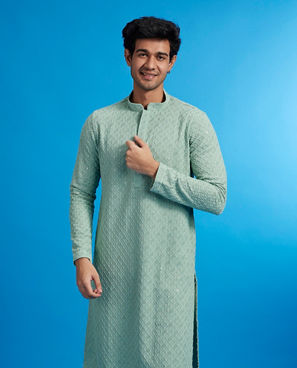
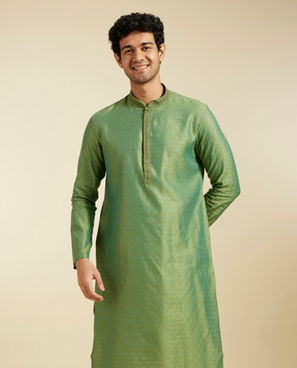
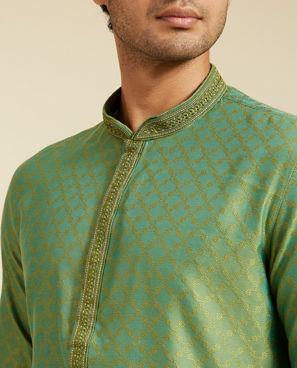
Green — specifically the mehndi green of new growth — connects to the Nabapatrika tradition of Saptami and the season's post-monsoon freshness. The Mehndi Green Majestic Kurta is a culturally resonant choice for Saptami specifically — the color references the Nabapatrika's nine plants directly.
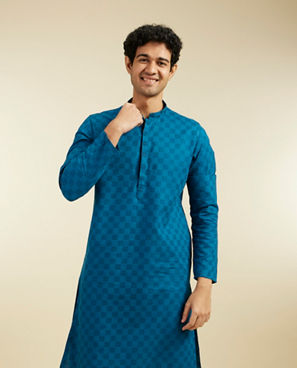
Warm neutrals — beige and fawn — suit the festival's more understated days and the quieter morning occasions across the full five days. The Beige Charm Kurta and Elegant Fawn Cotton Kurta are the pieces for men who want to look genuinely considered without the full intensity of the festival's most vibrant color choices.
Pandal Hopping — What the Activity Demands of the Outfit
Durga Puja's defining activity across Saptami, Ashtami, and Navami is pandal hopping — visiting multiple community and neighborhood pandals, often on foot, often in significant crowds, often for several hours at a stretch. This makes Durga Puja dressing as much a practical challenge as an aesthetic one.
Breathability is non-negotiable. October in Kolkata and across Bengal remains warm and humid — the post-monsoon air has not yet fully cleared. Cotton is the foundation fabric of Durga Puja dressing for practical reasons that cannot be overridden by aesthetic preferences. The Elegant Fawn Cotton Kurta and Elegant Cream Cotton Kurta are built specifically for this — breathable, comfortable across extended outdoor wear, and appropriate for both the morning rituals and the afternoon and evening pandal hopping.
Footwear practicality accompanies the kurta choice. Pandal-hopping routes in Kolkata can cover several kilometers in a single evening. Simple juttis, leather chappals, or comfortable mojaris that can be worn for hours without discomfort are essential companions to the best-chosen kurta.
Morning versus evening fabric graduation — a sensible approach to Durga Puja dressing is to wear lighter cotton for the morning pujas and afternoon pandal hopping, then graduate to a cotton-silk blend or chanderi piece for evening puja attendance and later celebrations. The Maroon Radiance Kurta suits this evening upgrade — the richer fabric and deeper color carry the appropriate formality for the evening's more considered register.
Durga Puja Outside Bengal — How the Celebration Has Spread
Durga Puja is celebrated with growing elaborateness outside Bengal — in Delhi, Mumbai, Bangalore, and across the Bengali diaspora worldwide. The traditions vary by location.
In Kolkata, the pujo-r jama tradition of new clothes across the five main days is most strictly observed. The festival's immense public scale — hundreds of elaborately decorated pandals across the city — means the outfit is seen by thousands. Dressing with genuine care is a way to participate in one of the world's largest public celebrations.
In Delhi and Mumbai, Bengali cultural associations organize the celebrations — large community pandals, elaborate programming, and a dress code that closely follows Kolkata tradition. White for Ashtami and Dashami, color and print for Saptami and Navami.
In South India, Durga Puja coincides with the Navratri-Golu tradition — home-based displays of dolls and deities rather than public pandals. The dressing here is more home and temple focused — clean, considered cotton kurtas in the festival's color palette rather than the crowd-and-pandal dressing of Kolkata.
Frequently Asked Questions (FAQs)
1. How many days does Durga Puja last and how should men plan their wardrobe across them?
Durga Puja's festival arc runs from Mahalaya to Bijoya Dashami — approximately fifteen days in total, with the five main puja days being Shashthi, Saptami, Ashtami, Navami, and Dashami. The pujo-r jama tradition ideally extends to new clothes for each of the main five days. In practice, investing in two to three new pieces — covering Saptami, Navami, and Dashami specifically — and styling existing pieces for the other days is the most practical approach for most men.
2. What is the most important color to wear for Durga Puja?
White and red are the festival's most culturally significant colors. White suits Mahalaya, Ashtami morning, and Bijoya Dashami. Red and maroon connect to the goddess's iconography and suit Ashtami evening, Navami, and more formal occasions across the five days. Yellow is the strongest choice for Saptami and Navami's celebratory character.
3. What fabric is most appropriate for Durga Puja given October's weather in Bengal?
Cotton is the most practical and appropriate fabric for Durga Puja in October. Kolkata in October remains warm and humid—breathable cotton handles both the physical activity of pandal hopping and the indoor heat of crowd-filled pandals far better than silk or heavily embellished fabrics. Cotton-silk blend and chanderi work well for cooler evenings and more formal puja occasions.
4. What should men wear for Bijoya Dashami specifically?
White or cream is the traditional and most appropriate Bijoya Dashami color — the day's emotional farewell character and the visarjan ritual are best honored by the clean, devotional simplicity of white. The Elegant Cream Cotton Kurta is the most culturally connected and most appropriate choice for this specific day.
5. Can the kurtas in this collection be worn beyond Durga Puja?
Yes — every piece is designed with cross-occasion versatility in mind. The Mehndi Green Majestic Kurta works for mehndi functions and Navratri green nights. The Maroon Radiance Kurta suits Diwali parties and winter wedding functions where a rich, deep color is appropriate. The Sunny Celebration Kurta and Sunny Delight Kurta cover spring festivals, haldi functions, Vishu, and Baisakhi. The Coral Peach Aztec Printed Kurta works for casual festive occasions and mehndi functions year-round. The Elegant Cream Cotton Kurta is one of the most versatile pieces in the collection—appropriate for Eid, Onam, Pongal, and religious occasions in every season. Every investment made for Durga Puja in this collection earns its place across the full year's celebration calendar.

_18-04-2025-20-48:297-368)
_18-04-2025-20-48:297-368)
_18-04-2025-20-48:Swatch)