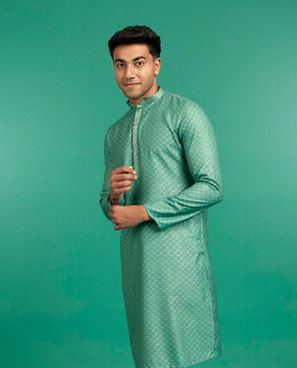
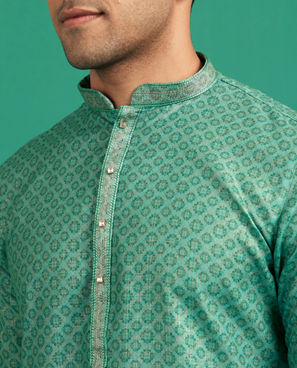
Light green kurta for men: soft colour, strong presence
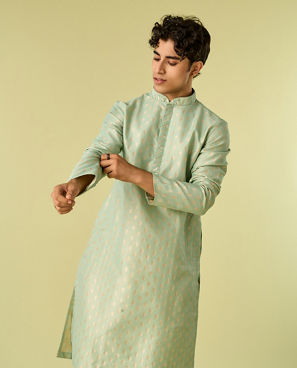
On this page, light green kurtas bring together some of the most wearable shades in Indian menswear—mint, sage, pistachio, and soft pista—paired with Diwas' relaxed, celebration‑first silhouettes. You'll find plain, self‑texture, printed, chikankari‑inspired, and lightly embroidered styles, all leaning into the idea that green doesn't have to be deep or dark to feel rich and festive.
Light green sits in a unique zone: it's clearly a colour choice, but it never feels overwhelming. That's part of why it keeps showing up across every kind of celebration—from intimate morning pujas to louder sangeet nights—without ever feeling out of place.
What light green brings to the festive palette
Most men's festive wardrobes lean heavily on navy, white, maroon, and black. Light green quietly fills the gap—a fresh, auspicious tone that feels different without being risky.
A few reasons light green works so well in Indian celebration dressing:
-
Green carries deep cultural roots across Indian festivals—linked to nature, fertility, and new beginnings, which is why it shows up at mehendi, Eid, and regional harvest festivals so naturally.
-
Soft greens are universally flattering, sitting well against a wide range of Indian skin tones in both warm and cool lighting.
-
Light green is one of the few colours that feels appropriate across age groups—young men wear it for its trend appeal, while older family members appreciate its traditional roots.
-
It pairs easily with whites, creams, beiges, and even darker bottoms, making it extremely repeatable across different plans.
For anyone looking to add colour to their wardrobe without committing to something intense, a light green kurta is almost always the right first step.
Shades of light green and their personalities
"Light green" covers more ground than people expect. Within this page, you'll typically encounter:
-
Mint and ice green – the coolest, freshest end of the spectrum; feels very contemporary and works especially well for summer celebrations, outdoor venues, and daytime functions.
-
Pista and pistachio – a warmer, slightly yellow‑leaning green that feels both traditional and modern; one of the most popular and repeatable shades in this family for weddings and festivals.
-
Sage and muted green – a more earthy, sophisticated take that reads very well in autumn and winter celebrations; pairs naturally with deeper neutrals and richer fabrics.
-
Soft aqua‑green – sits between mint and teal, feeling slightly more vibrant and contemporary; great for men who want light green with a bit more energy.
Each shade carries a slightly different personality but shares the same core quality: calm, festive, and easy to wear.
Fabrics that make light green look its best
For light green to look intentional rather than washed out, the fabric has to carry the colour cleanly and give it the right finish. Diwas and linked styles typically use:
-
Cotton and cotton‑rich blends for breathable, everyday‑festive kurtas—perfect for daytime rituals, Eid, mehendi, and outdoor celebrations where comfort is key.
-
Viscose and soft blended bases, where light green gets a slightly more luminous, polished finish suited to evening events and indoor settings.
-
Linen and linen‑blends, giving sage and muted green shades a natural, relaxed texture that feels premium without being heavy—great for office days, campus events, and casual functions.
-
Art silk and silk‑feel weaves in more embellished or embroidered light green pieces, where a gentle sheen helps the colour and surface work come alive under lighting.
Getting the fabric right is what separates a light green kurta that looks flat from one that looks considered and complete.
Design directions
Light green works across a range of design approaches, which is part of what makes this category so versatile. On this page you'll find:
-
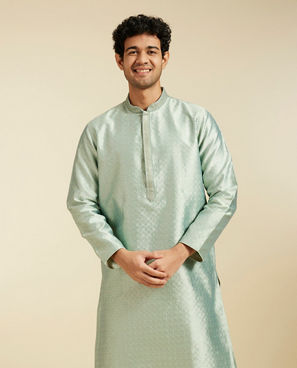
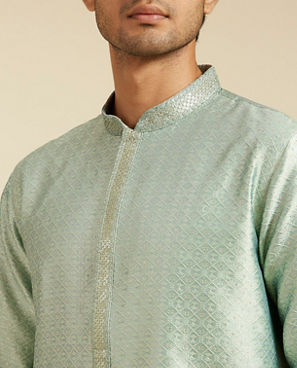
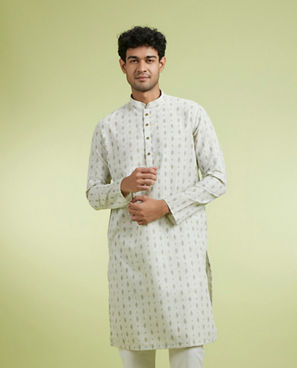
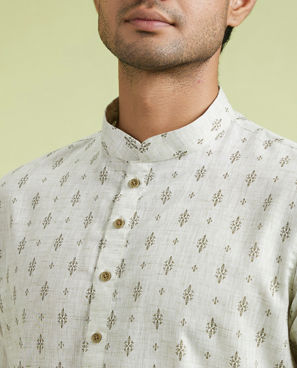
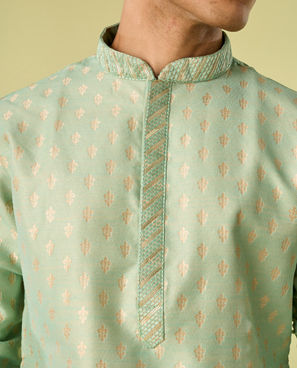
Solid and self‑texture kurtas, where a plain mint or pista base with woven texture or jacquard pattern does all the talking without embroidery or prints.
-
Printed kurtas, featuring subtle florals, geometric motifs, or abstract patterns in complementary tones that keep the mood fresh and youthful.
-
Chikankari and threadwork styles, where delicate embroidery sits softly over a light green base—making the kurta feel handcrafted and special without changing the overall lightness of the look.
-
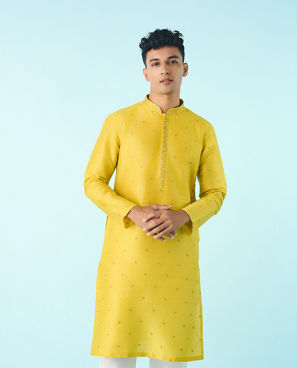
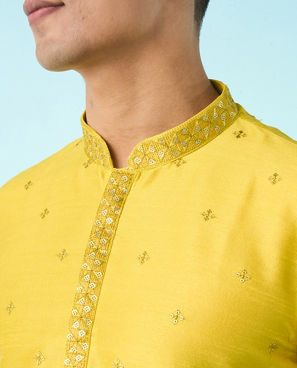
Embroidered kurtas, with more defined motifs along the neckline, placket, or chest for slightly dressier settings like mehendi and evening functions.
Because the base shade is already soft and calm, even small amounts of surface work read clearly and make the kurta feel more occasion‑ready.
Where a light green kurta naturally fits
Light green is one of those colours that seems to belong at almost every kind of celebration—daytime or evening, formal or casual, intimate or large.
It's especially at home when you're dressing for:
-
Mehendi and pre‑wedding functions, where green is a traditional colour and lighter shades feel fresh and photogenic without competing with the couple's look.
-
Eid and religious festivals, where green carries deep symbolic meaning and a kurta feels respectful, auspicious, and celebration‑ready.
-
Holi and spring festivals, where pista, mint, and aqua greens slot right into the colour energy of the day.
-
Daytime weddings and outdoor venues, where soft greens catch natural light beautifully and feel cooler and more considered than heavier jewel tones.
-
Office cultural days and campus events, where a kurta with simple bottoms looks ethnic but neat and appropriate.
-
Home pujas and family gatherings, where the softness of the colour feels warm and domestic without being too plain.
The common thread: light green never feels like "too much" for the occasion, which is exactly why it keeps getting chosen.
How to style a light green kurta: three real looks
Styling is where light green reveals just how flexible it really is. Three directions that work reliably in real life:
1. Traditional and grounded
-
A mint or pista chikankari kurta with white or cream pyjamas, classic mojaris, and a small floral pocket square.
-
Perfect for mehendi, Eid, and family weddings where the look needs to feel rooted and respectful.
2. Fresh and contemporary
-
A solid or printed kurta with beige or stone‑grey churidar and tan loafers.
-
Add a watch and minimal bracelet for a clean, modern festive look that works for engagements, restaurant dinners, and office events.
3. Casual and everyday‑festive
-
A linen or cotton kurta with slim denims and clean white sneakers.
-
Great for campus fests, casual Diwali plans, and weekend outings where you want ethnic influence without full occasion wear.
Across all three, accessories in silver, antique gold, or earthy tones sit particularly well with light green, complementing its natural, calm quality.
Light green across the festive year
One of the best things about this kurta is how naturally it moves through the Indian festive calendar. Unlike colours that belong to one specific festival or season, light green finds a home almost everywhere.
You might wear it for:
-
Eid in summer with cotton pyjamas and sandals.
-
A mehendi in the monsoon with beige churidar and mojaris.
-
Navratri in autumn with slightly richer fabric and sharper footwear.
-
A Diwali house gathering in winter with a warmer sage or pista shade and a light stole.
This year‑round wearability—across weather, occasion, and styling moods—is exactly why this kurta becomes one of the most‑used pieces in a well‑built celebration wardrobe.
Light green in a curated, compact wardrobe
For men trying to keep their festive wardrobe small but versatile, this color fills the fresh colour slot that neither neutrals nor deep tones can cover.
Alongside:
-
a white or beige neutral for rituals and formal functions, and
-
a deeper jewel tone (navy, maroon, bottle green) for evening events,
a light green kurta becomes:
-
the piece you reach for when the plan is daytime, outdoor, or mehendi‑adjacent;
-
the colour that gives your wardrobe spring and freshness without needing multiple pastel options;
-
a reliable repeat‑wear choice because the shade is soft enough to reuse across different social circles without standing out as "the same outfit again".
How light green reads in photos and reels
Light green is naturally photogenic—it doesn't wash out under flash, it doesn't darken under warm indoor light, and it sits beautifully against most backdrops. In outdoor settings, it blends harmoniously with greenery and natural textures, while in indoor venues, it holds its own against deeper décor colours without disappearing.
For content‑heavy celebrations, these kurtas:
-
Looks clean and considered in both close‑up portraits and wide group frames.
-
Stands out gently in family photos without competing with bridal looks or deeper‑toned outfits around you.
-
Works across phone cameras and professional lenses equally well, which matters when you're moving between candid shots and posed portraits.
If you care about looking as good in the gallery as you do in real life, light green is a consistently reliable choice across every kind of celebration.
FAQs
1. Is a light green kurta only for mehendi and Eid?
No. While it's especially strong for mehendi and Eid, it also works for Holi, daytime weddings, Diwali gatherings, home pujas, and casual festive plans—styling and shade decide how formal it feels.
2. What bottoms pair best with a light green kurta?
White, cream, and beige are the easiest and most classic; grey and stone tones add a contemporary twist; for evening events, slightly deeper or richer bottoms give the look more definition.
3. Which shade of light green is most versatile?
Pista and pistachio are generally the most repeatable—they sit between cool and warm green, work across seasons, and suit a wide range of skin tones and occasions.
4. Can a light green kurta work for evening events?
Yes—choose deeper pista or sage shades with embroidery or chikankari work, pair with churidar and polished footwear, and add a subtle layer or accessory to shift the look into evening territory.
5. How many times can I repeat a light green kurta before it feels like "the same outfit"?
Because the shade is soft and non‑specific to one occasion, it can be restyled many times across the year—changing bottoms, footwear, and accessories creates enough variation that different groups rarely notice it's the same piece.






_25-08-2024-15-34:297-368)
_25-08-2024-15-33:297-368)
_25-08-2024-15-34:Swatch)