STORIES BY DIWAS

Lifestyle
Ram Navami Colours of Devotion: Diwas Kurta Ideas for Every Ritual
Date 25 March 2026 Reading time: 7-10 mins
Ram Navami marks the birth of Lord Ram and the culmination of Chaitra Navratri, making it one of the most devotional days in the Hindu calendar. Homes are cleaned, idols are bathed and decorated, bhajans are sung, and families gather for puja, katha, and prasad. What you wear that day is not just about looking festive, it is also about reflecting bhakti, simplicity, and respect through your colours and clothing.
For men, a well-chosen Diwas kurta in the right shade can quietly echo the mood of each ritual, from calm white for early-morning snan and puja, to bright yellow or saffron for aarti and celebrations. This guide breaks down Ram Navami dressing by colour and moment, so you can pick kurtas that feel devotional, comfortable, and true to the spirit of the day.
Why colours matter on Ram Navami
Traditional Hindu thought associates specific colours with qualities and deities. On Ram Navami, many families choose outfits in colours linked with purity, devotion, courage, and prosperity.
Common Ram Navami colours and their meanings:
- White – Purity, peace, a fresh spiritual beginning.
- Yellow – Knowledge, devotion, auspiciousness; strongly associated with Vishnu and Ram.
- Saffron/Orange – Renunciation, courage, spiritual strength.
- Red – Energy, shakti, and festive joy (often more for accents).
- Green – Growth, harmony, and balance, especially when families connect Ram Navami with the broader Navratri period.
Wearing these shades is not a rule, but many people like their Ram Navami outfits to reflect these meanings—especially for puja, temple visits, and reading the Ramayan.

Morning snan and home puja: calm whites and soft yellows
Ram Navami mornings typically begin with a bath, cleaning the puja space, and doing the first aarti or simple home puja. This is the quietest, most inward part of the day, ideal for softer, calmer colours.
White Diwas kurta for purity and focus
A plain white or off-white Diwas kurta with pajama is perfect for early rituals. White symbolises purity and a clean slate, matching the intention of starting the day with a pure mind. Choose cotton or cotton-rich fabrics so you stay comfortable while preparing offerings, cleaning, and sitting for puja.
Styling ideas: Keep accessories minimal, maybe a simple watch or rudraksha/ tulsi mala if you wear one. Open footwear or simple sandals are enough for home rituals.
Soft yellow for a gentle devotional touch
If you want a bit of colour without losing the calm opt for a light yellow or cream kurta with yellow detailing. Yellow is considered highly auspicious and linked to devotion and wisdom, making it particularly fitting for Ram Navami. This palette also works well if you’re going straight from home puja to a nearby temple later in the morning.
Temple visit or Ramayan path: bright yellows and saffron tones
Many devotees visit a nearby Ram temple, recite the Ramayan, or participate in a Ramayan path or bhajan session. For these slightly more public, devotional settings, brighter colours feel appropriate.
Bright yellow Diwas kurta for darshan and bhajan
A vibrant yellow kurta with white or cream pajama is almost a signature Ram Navami look. It stands out beautifully in temple spaces and looks good in natural light as well as indoor photos.
Why it works: Yellow connects directly with devotion and auspiciousness, and is frequently recommended for Ram Navami. It’s festive but still respectful, especially if the kurta design is simple and the length/fit modest.
Styling ideas: Pair with brown or tan sandals/mojaris. If visiting a very crowded temple, keep jewellery minimal and sleeves full-length or neatly folded.
Saffron or light orange for spiritual strength
Saffron/orange is associated with renunciation and spiritual strength, often seen in the robes of sadhus and flags. A saffron-toned Diwas kurta can be a powerful choice for temple visits or Ramayan readings, as long as the rest of the styling is simple.
How to balance it: Keep bottoms neutral (white, cream or beige). Avoid heavy or glittery embellishments; let the colour itself carry the devotional feel.
Community bhajans and satsang: serene greens and balanced tones
In many housing societies or local communities, Ram Navami is marked with collective bhajans, satsangs or small gatherings at community halls or temples. The mood is devotional but also social; you meet neighbours, relatives, and friends.
Gentle greens for harmony
Light or mid-tone green kurtas symbolise growth, balance, and harmony, ideal when you’re part of a larger sangh or gathering. Shades like sage, pistachio, moss, or soft bottle green feel devotional without being overpowering.
Why green works here: It’s a calm, heart-centred colour that still feels festive. It pairs easily with white, cream, or beige bottoms, keeping the overall look soft.
Styling ideas: Pair a green Diwas kurta with white pajama and simple sandals or kolhapuris. If the event runs long, breathable fabrics and a comfortable fit will matter more than heavy design.
Mixed palettes: yellow–white–green
If you’re coordinating with family or friends at a satsang, you can combine yellow, white, and green across different people, some in yellow kurtas, some in white, some in green, creating a cohesive but varied look in group photos.
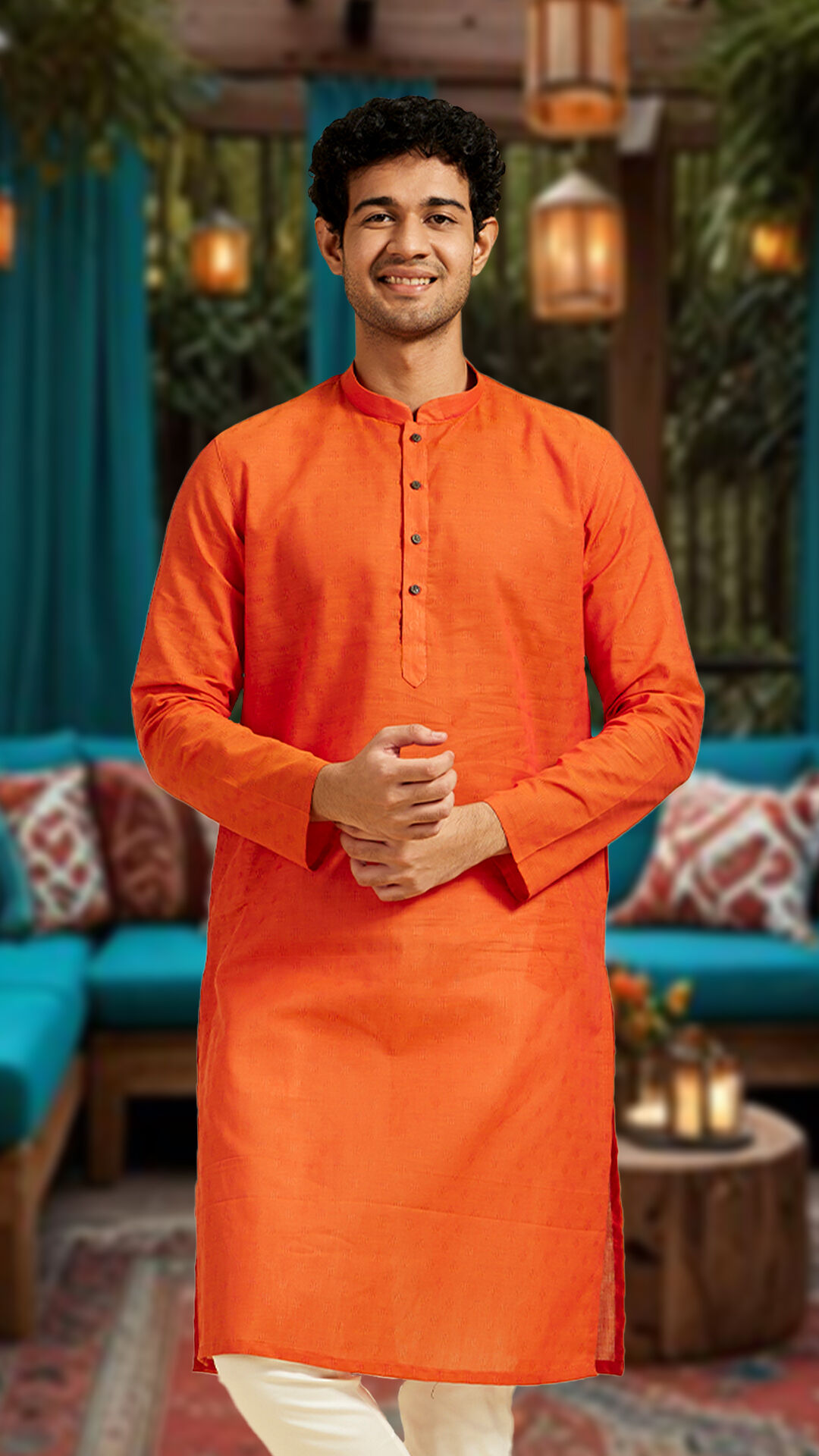

Evening aarti and prasad with family: saffron, red accents, and warm neutrals
By evening, many families perform a final aarti, distribute prasad, and sit together for Ramayan katha or simply spend time in devotion. This is where you can gently add warmer, richer tones to your look while staying modest.
Saffron + neutral layering
If you wear yellow or white in the morning, you can keep the same kurta and add a saffron or orange stole, or change into a saffron/ orange Diwas kurta for the evening.
Saffron in the evening symbolises spiritual courage and a more intense devotional energy. It works particularly well if your family has a tradition of a bigger evening aarti or group prayer.
Red as an accent, not the base
Red is powerful and auspicious, but it can feel intense as a full outfit for Ram Navami, which is usually more sattvic in tone. You can still include it by wearing a neutral or yellow kurta with a red tilak, and add a red or maroon stole, or small red detailing on the kurta’s placket or collar. This keeps the look devotional and festive without overpowering the calm mood of the puja.
Matching your kurta to your Ram Navami rituals
Different families observe Ram Navami differently—some keep it simple at home, some attend big public programs, some travel to temples like Ayodhya. Your Diwas kurta choice can follow your actual day instead of a generic “festive outfit” idea.
If you’re mostly at home
- Morning: white or light yellow Diwas kurta for snan and first puja.
- Later: same kurta, maybe with a light stole, or switch to a slightly brighter yellow or green if guests are coming.
If you’re visiting a major temple
- Choose comfortable, non-transparent fabrics and modest fits—shoulders covered, sensible length, not too tight.
- Wear colours like white, yellow or saffron in simple designs that won’t distract from the darshan experience.
- Opt for easy-to-remove footwear if the temple requires you to leave shoes outside.
If you’re part of a community event
- Pick mid-tone colours that look good under tube lights or hall lighting—soft yellow, sage, sky blue, muted saffron.
- Keep patterns minimal so your look stays timeless in group photos.
Fabrics and fits that match the spirit of the day
Ram Navami often falls in warm weather, and rituals can involve standing, sitting, and moving around quite a bit. The simpler and more breathable your kurta, the easier it is to stay focused on devotion instead of discomfort.
Good choices for Diwas kurtas include Cotton and cotton-rich blends which are Ideal for long pujas and daytime heat. It creates a clean and crisp look, especially in whites and yellows.
Another best choice is to choose Light, soft weaves kurtas like Lightweight linen kurta. Avoid very heavy or stiff fabrics that feel formal and distracting for a devotional day.
Fit guidelines: Enough shoulder and chest room to fold hands, lift arms for aarti and sit cross-legged comfortably. Length around mid-thigh or slightly lower; anything too short or very tight can feel out of place for puja settings.
Simple accessories that add devotion, not drama
For Ram Navami, accessories are best kept modest and meaningful.
Options that pair well with Diwas kurtas:
- Tilak in sandalwood, kumkum or a Ram-nam stamp on the forehead.
- Rudraksha or tulsi mala, if that’s part of your personal practice.
- Simple sandals or kolhapuris—clean and comfortable, suitable for both home and temple.
- A light cotton or silk stole in a complementary colour (saffron, yellow, white, green), if you want an extra devotional touch for aarti or satsang.
Avoid heavy chains, flashy watches, or very shiny shoes—they can pull focus away from the simplicity and bhakti that define this festival.
Wearing your devotion, quietly
Ram Navami doesn’t demand grand, complicated outfits. It asks for sincerity, simplicity, and presence—qualities that your clothing can support rather than overshadow.
When you choose a white Diwas kurta for purity in the morning, or a yellow or saffron one for temple and aarti, or a soft green or balanced tone for community bhajans, You’re not just following a “dress code”—you’re letting your outer colour reflect your inner mood of devotion.
So this year, instead of asking “What’s the fanciest thing I can wear?”, you can ask, “Which colour feels like my prayer today?”, “What will let me sit, stand, sing, and serve comfortably?”, “How can my Diwas kurta quietly honour the significance of Ram Navami in my home?”
If your answer leads you to calm whites, bright yellows, grounded saffrons, or gentle greens, you’re already dressed in the true colours of devotion.

Made In India

Assured Quality

Secure Payments