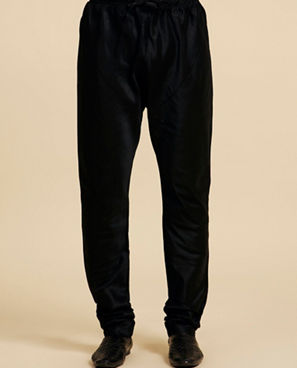
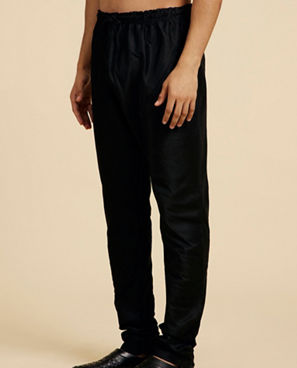
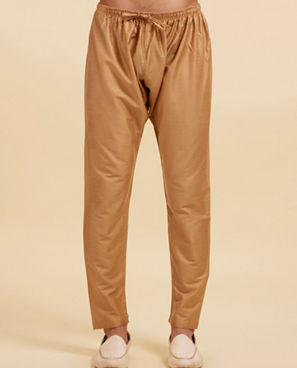
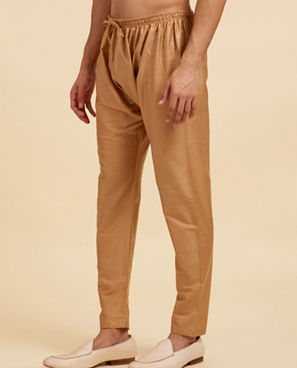
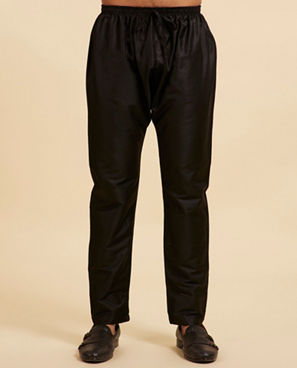
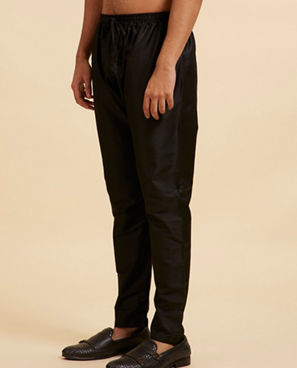
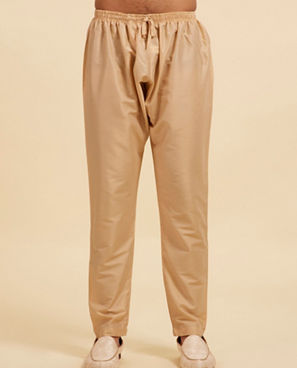
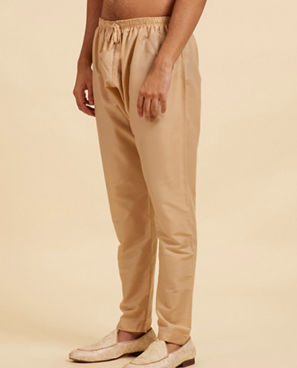
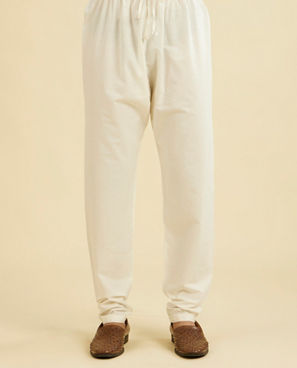
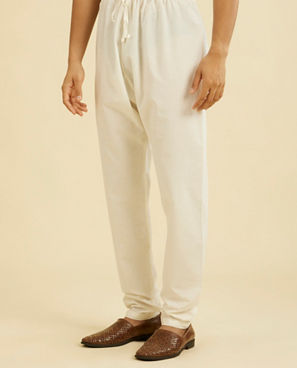
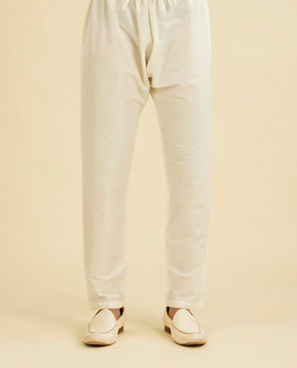
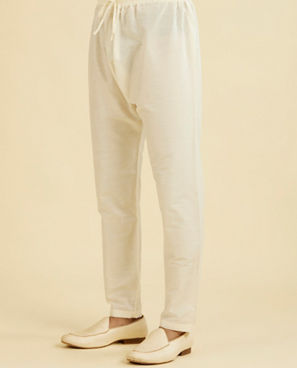
Pajamas for Men – The Foundation of Every Great Kurta Look
An outfit is only as good as its weakest element — and for too long, the bottom wear in men's ethnic dressing has been that element. The kurta gets chosen with care, the footwear gets considered, and the pajama gets picked as an afterthought. At Diwas by Manyavar, that thinking is turned on its head. The pajama is not a supporting character in your ethnic wardrobe — it is a co-lead.
What Makes a Great Pajama: Beyond the Basic
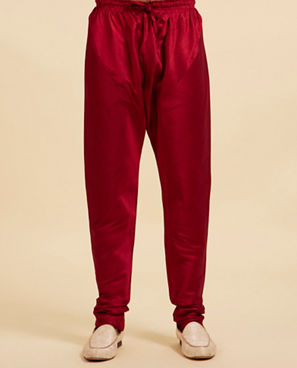
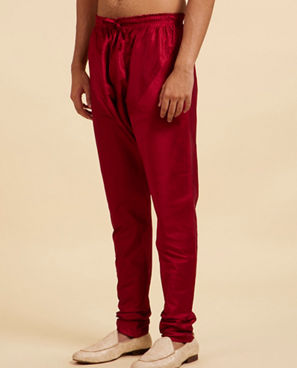
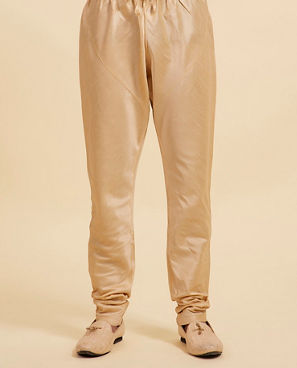
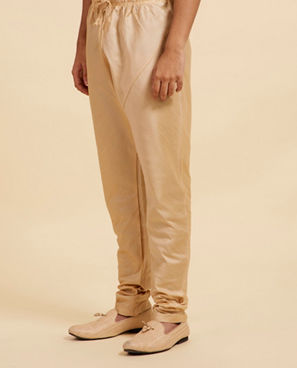
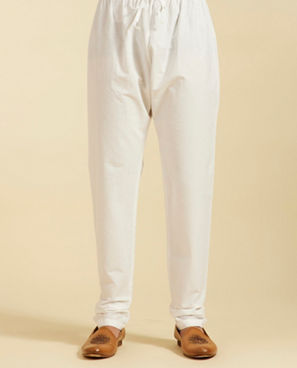
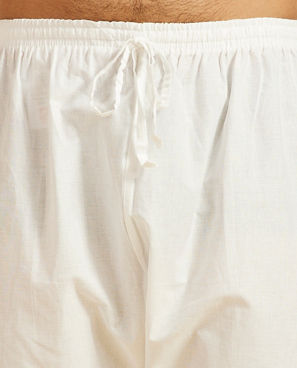
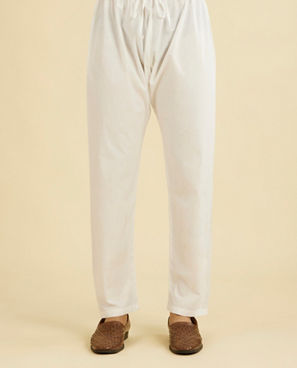
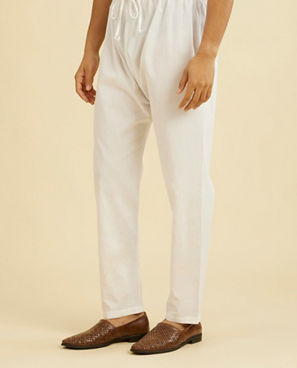
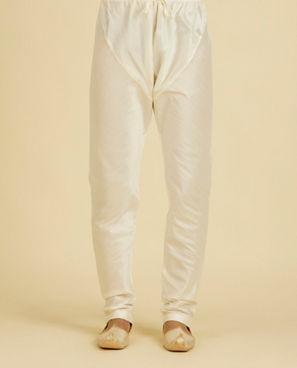
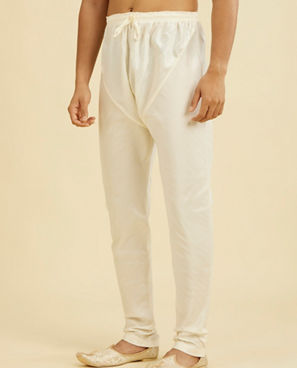
The word pajama often conjures images of loose, casual nightwear — but in the context of men's wear, the pajama is a precise, considered garment with its own design language and styling logic. A well-made ethnic pajama sits differently from casual trousers: the waistband is typically elasticated or drawstring-fastened for comfort and flexibility, the fabric drapes along the leg with an intentional fall, and the ankle cut — whether straight, tapered, or gathered into a churidar-style finish — determines how the overall silhouette reads. The best ones are cut to complement the kurta above them rather than exist independently of it. At Diwas, every pajama in the collection is designed with this relationship in mind — the proportions, the fabric, and the fit are all calibrated to create a complete, cohesive ethnic look.
Fabric Choices That Shape the Experience
The fabric of a pajama determines not just how it looks but how it feels across a full day or evening of wear — and given that ethnic occasions can be long and physically active, this matters enormously.
-
Cotton - the most practical and universally appropriate choice — breathable, easy to maintain, and comfortable across both warm and temperate climates. They work effortlessly with casual and semi-formal kurtas and are the default choice for daytime occasions and outdoor events.
-
Silk and silk-blend - elevate the formality of the overall look significantly — their smooth drape and gentle sheen complement festive and wedding-occasion kurtas with a cohesion that cotton cannot always deliver.
-
Chanderi - offers a delicate, lightweight option for warmer weather festive dressing — the fabric's natural translucency gives the silhouette an elegant, refined quality.
-
Linen - brings a relaxed, textured aesthetic that suits casual kurtas and everyday ethnic dressing particularly well.
The Occasion Determines the Right Choice
Just as you choose your kurta based on the occasion, your pajama choice should follow the same logic.
-
For casual everyday wear — a family lunch, a relaxed gathering, a weekend outing — a simple cotton pajama in a neutral tone is entirely sufficient and perfectly appropriate.
-
For festive occasions like Eid, Diwali, or Navratri, a slightly more refined fabric — chanderi, cotton-silk blend, or even a textured weave — adds the right degree of occasion-awareness to your bottom wear.
-
For wedding functions, silk or silk-blend pajamas in ivory, cream, or a coordinated tone to your kurta create the most polished and complete ethnic look. The groom, in particular, benefits from investing in a pajama that is as considered as the sherwani or kurta above it — the overall silhouette depends on it.
Colors and Coordination: Getting the Pairing Right
The most enduring and universally flattering approach to pajama color is to keep it neutral and let the kurta carry the color story.
-
Ivory and off-white - are the gold standard — they pair with virtually every kurta color and create a clean, classic silhouette that never looks wrong.
-
Cream offers a slightly warmer alternative to stark white, adding a softness to the overall look that works particularly well with earthy or jewel-toned kurtas.
-
Light grey - creates a cooler, more contemporary pairing — particularly effective with blues, greens, and purples.
-
For tonal dressing — a trend that has gained significant traction in contemporary Indian men's fashion — matching it closely to the kurta in the same color family creates a monochromatic look that is modern, intentional, and deeply stylish.
-
Avoid heavily patterned or brightly colored pajamas unless you are deliberately building a contrast-led look — in most cases, it's job is to complete the outfit, not compete with it.
Fit and Silhouette: The Details That Define the Look
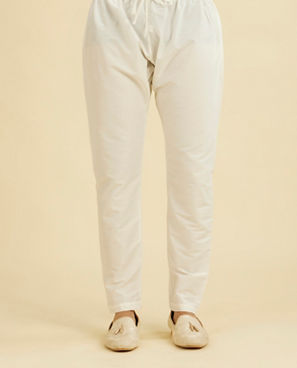
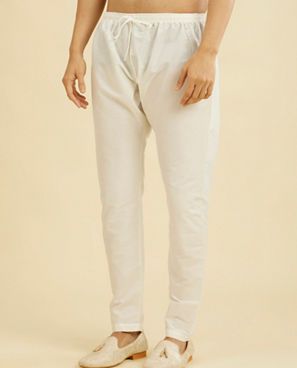
The fit has a disproportionate impact on the overall appearance of an ethnic outfit — and it is worth paying attention to. A pajama that is too wide creates a shapeless, heavy silhouette that undermines even the most beautiful kurta above it. One that is too narrow restricts movement and creates an uncomfortable fit across a long occasion. The ideal pajama fit falls somewhere in between — relaxed enough to move freely in, tailored enough to create a clean, intentional silhouette. The ankle finish is particularly important: a straight-cut ankle gives the look a clean, modern feel; a tapered ankle creates a slightly more fitted, contemporary silhouette; a churidar-style gathered ankle is the most traditional and formally appropriate finish, particularly for wedding and festive occasions. Choose your ankle finish based on the kurta's formality and your own comfort preference.
Pajamas as Part of a Complete Wardrobe
Building a functional, versatile ethnic wardrobe means thinking about pajamas with the same intentionality you bring to kurtas. A small, well-chosen collection of pajamas — two or three in varying fabrics and neutrals — can serve the full range of occasions your kurta wardrobe covers. An ivory cotton works with almost every casual and semi-formal kurta you own. A silk-blend in off-white covers your festive and wedding occasion needs. A linen one in a natural tone handles your casual everyday ethnic looks. With these three, you have a bottom wear wardrobe that is genuinely complete — ready for any occasion, any season, and any kurta you choose to pair with it. The investment is modest; the return in outfit versatility and overall appearance is significant.
Styling the Complete Look
The most effective way to build an ethnic outfit is to start from the pajama and work upward — because the bottom wear sets the proportions and silhouette that everything else responds to. A fitted, tapered pajama in ivory works with a wide range of kurta lengths and silhouettes, from shorter casual kurtas to longer, more formal styles. A wider-cut pajama suits longer, flowing kurtas that benefit from the visual balance of volume at both the top and bottom. Once the pajama is chosen, the kurta's length, the footwear's formality, and any layering pieces like Nehru jackets all fall into place with greater ease. Thinking of the pajama as the foundation of the look rather than its afterthought changes not just how your outfit is assembled — it changes how the finished look feels and functions.
Frequently Asked Question (FAQs)
1. What is the difference between a pajama and a churidar in men’s wear?
A pajama is a straight or slightly tapered bottom wear piece with a relaxed fit through the leg, finished at the ankle in a clean, open cut. A churidar is cut longer than the leg length and gathers in folds at the ankle, creating a distinctive ruched finish that is more formal and traditionally associated with festive and wedding occasion dressing. Both pair well with kurtas, but churidars are considered the more formal of the two.
2. What fabric pajama should I choose for a summer wedding function?
For summer wedding functions, cotton or chanderi pajamas are the most practical choices — both are breathable and lightweight while remaining elegant enough for festive occasions. A cotton-silk blend offers a slight upgrade in appearance with enough cotton content to keep you comfortable through warm weather. Avoid heavy silk pajamas for outdoor summer functions — the fabric's low breathability will affect your comfort significantly across a long event.
3. Can pajamas be worn with kurtas for casual everyday occasions?
Absolutely. A well-fitted cotton pajama in a neutral tone is an excellent everyday ethnic bottom wear option — comfortable, easy to maintain, and appropriate for a wide range of casual settings including family gatherings, religious occasions, and relaxed outings. Pair with a simple cotton kurta and flat footwear for a clean, effortless everyday ethnic look.
4. How do I ensure my pajama fits correctly with my kurta length?
The general principle is that your pajama should be visible below the hemline of your kurta — typically between six and ten inches should show depending on the kurta's length. If your kurta falls at the knee, a full-length pajama creates a balanced silhouette. For shorter kurtas, ensure the pajama's length and width are proportionate to avoid a bottom-heavy appearance. When in doubt, a tapered or churidar-finish pajama creates the cleanest silhouette regardless of kurta length.
5. What color pajama works best for most kurta colors?
Ivory and off-white are the most universally versatile pajama colors — they pair harmoniously with virtually every kurta color from deep jewel tones to soft pastels to bold prints. If you own only one pajama, make it ivory cotton — it will work with more outfits than any other color choice. Cream is a warmer alternative that suits earthy and warm-toned kurtas particularly well.