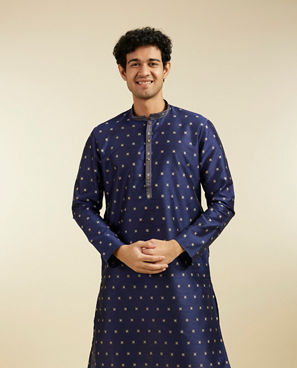
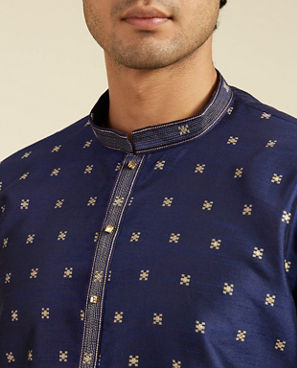
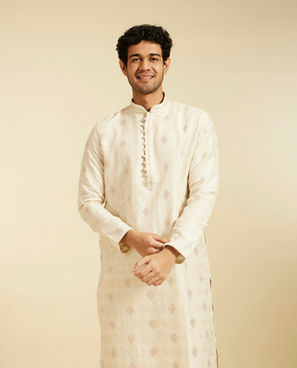
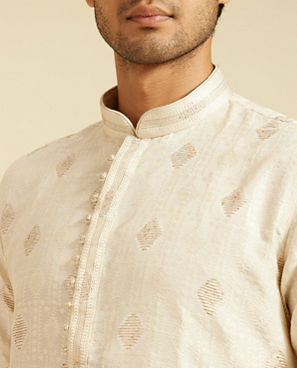
Ganesh Chaturthi Kurtas for Men – Ten Days, Ten Reasons to Dress Well
Ganesh Chaturthi is not a single occasion — it is ten days of devotion, community, music, and celebration that builds from the quiet intimacy of the first day's installation to the enormous public energy of the final visarjan procession. Each day has its own character, its own rituals, and its own dressing opportunity. The man who shows up looking genuinely well-dressed at a Ganesh Chaturthi pandal is not being vain — he is participating in a tradition where taking care of your appearance is itself an act of respect for the occasion and for Bappa. At Diwas, the Kurta collection is built for every day of the festival — from the first aarti to the final immersion.
Understanding What the Festival Actually Asks of Your Wardrobe
Ganesh Chaturthi makes specific demands that are different from most other Indian festivals — and understanding them before you shop makes the clothing choices significantly more purposeful.
It's a ten-day festival. Most men who celebrate actively will dress for multiple days — the installation day, the key aarti days in the middle, and the visarjan. This means the wardrobe needs variety, not just a single outfit.
It combines religious devotion with public celebration. The morning aarti at a home or neighbourhood pandal calls for something clean, respectful, and considered. The afternoon and evening celebrations — with music, crowds, and community energy — welcome more vibrant, festive dressing. The visarjan procession, the most public and energetic moment of the entire festival, rewards the boldest and most celebratory outfit choices.
It's primarily a Maharashtra and South India festival — though increasingly celebrated across the country — and the color traditions associated with it are specific. Saffron, yellow, red, orange, and white are the most widely worn and most culturally connected colors for the occasion.
The weather is a factor. Ganesh Chaturthi falls in August and September — the tail end of the monsoon season in most parts of India. Cotton and breathable fabrics are not just the practical choice, they are the only sensible one for outdoor pandal visits and visarjan processions in warm, humid conditions.
The color Story of Ganesh Chaturthi
Color choice at Ganesh Chaturthi is more culturally specific than at most Indian festivals — and wearing the right colors is a way of participating in the festival's own visual language.
Saffron and orange are the most deeply connected colors. Saffron is the color of devotion in Hindu tradition — it appears on the idol, in the marigold garlands, in the clothing of the priests and devotees. An Orange or saffron kurta at a Ganesh Chaturthi pandal is not just festive — it is culturally specific and deeply appropriate.
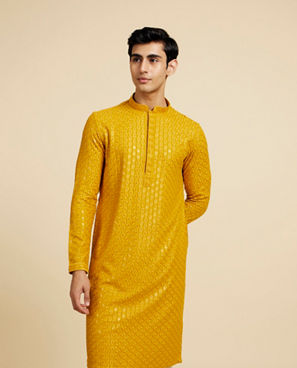
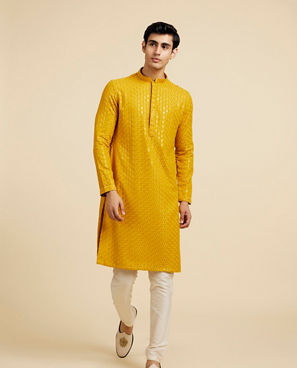
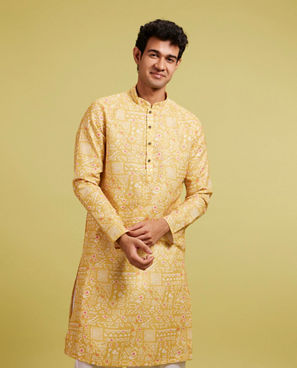
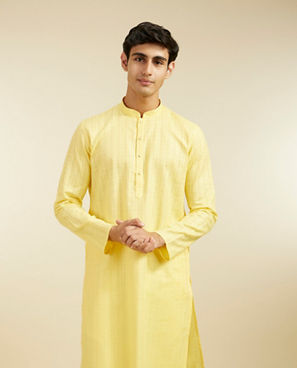
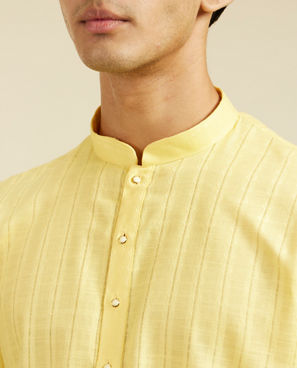
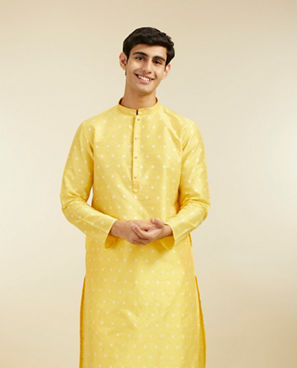
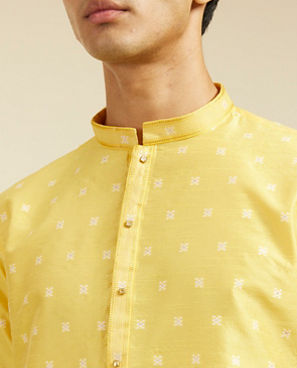
Yellow connects to Ganesh's association with abundance, auspiciousness, and the turmeric-yellow tones of the festival's ritual elements. Yellow kurtas — from bright lemon to warm mustard — suit the festival's celebratory character beautifully.
Red is auspicious and energetic — widely worn at the more public, procession-focused celebrations. A Red kurta at the visarjan procession is a bold and entirely appropriate choice.
White suits the more devotional, early-morning ritual aspects of the festival. A clean white cotton kurta for the morning aarti is respectful, appropriate, and visually right for the intimacy of home worship settings.
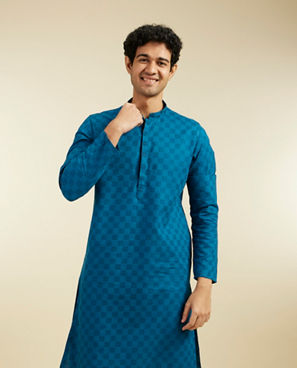
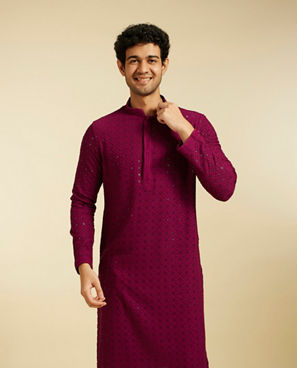
Green and deep jewel tones work for the broader festive celebrations and pandal visits where the dress code is festive rather than specifically devotional.
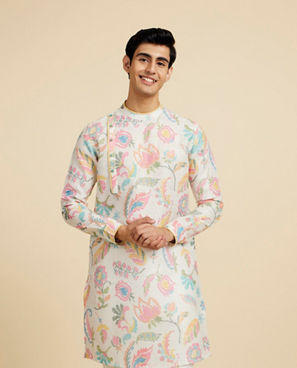
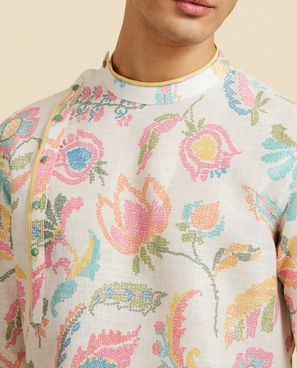
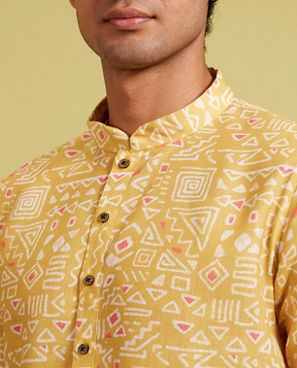
Printed kurta — particularly those featuring traditional Indian motifs, florals, or vibrant multi-color prints — suit the public, community celebration character of Ganesh Chaturthi's middle days and the visarjan.
Dressing for Each Phase of the Festival
Sthapana (Day 1 — Installation): The most devotional day of the festival. A clean, simple kurta in white, cream, or saffron is the most appropriate choice. The occasion calls for respect and intention — avoid very casual or heavily printed styles for this day.
Middle days — aarti and pandal visits: The festival's energy builds through these days. Vibrant colors — yellow, orange, red, and bold prints — suit the increasingly festive character of these celebrations. Cotton kurtas in these shades are comfortable for extended pandal visits and outdoor gatherings.
Anant Chaturdashi — Visarjan (Day 11): The most public and most energetic day of the entire festival. The procession to the water is a celebration of extraordinary color, sound, and community spirit. This is the day to wear the most vibrant, most boldly colored kurta in your collection. Saffron, red, bright yellow, and bold prints all belong here. Comfort and practicality matter too — you will be in a crowd, moving for hours. Cotton is non-negotiable.
Why Cotton Is the Only Fabric Conversation for This Festival
Ganesh Chaturthi in August and September means one thing for clothing: heat and humidity. The monsoon may be winding down, but the weather in Maharashtra and South India during this period is warm, often humid, and occasionally wet.
Cotton in every available form — standard weave, mulmul, slub, dobby — is the right fabric for every day of Ganesh Chaturthi. It breathes, it dries quickly if it gets wet in the monsoon, it handles the physical activity of processions and crowd celebrations gracefully, and it takes the vibrant saffron, yellow, and orange colors of the festival beautifully.
Cotton-linen blends add a relaxed, artisanal quality that suits the festival's community character without sacrificing breathability. Particularly good for the middle days of quieter pandal visits.
Avoid silk, chanderi, and heavy embellished fabrics for this festival specifically — the weather, the physical character of the celebrations, and the outdoor settings make these impractical choices regardless of how good they look.
Prints That Belong at the Celebration
Ganesh Chaturthi is one of the few Indian festivals where bold, expressive prints are actively welcomed across all days of the celebration — not just the most casual ones.
Traditional Indian motifs — paisley, floral, geometric block prints — in saffron, yellow, and orange colorways are among the most culturally connected print choices for this festival. These prints reference the visual language of Indian temple decoration and ritual art in a way that feels genuine rather than decorative.
Vibrant digital prints in multi-color combinations work well for the more public, community-celebration days. A bold printed kurta at the visarjan procession is exactly right for the occasion's energy.
Block prints in earthy tones on white or cream bases suit the more devotional days — artisanal and considered without being overly festive.
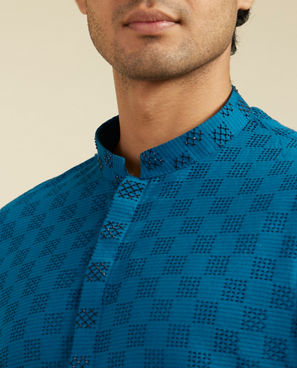
Self-prints and tonal textures in saffron or yellow add quiet depth to solid-color kurtas without introducing embellishment — a good option for men who want visual interest without pattern.
The Complete Look
The styling for Ganesh Chaturthi dressing is practical and festive simultaneously — there's no conflict between the two if the choices are made correctly.
White or Ivory Chudidars or Pyjamas are the most versatile bottom wear choice across the festival's full range of occasions — they work with saffron, yellow, red, and printed tops equally well.
Straight-cut pajamas in cotton are the most practical choice for visarjan and procession days — comfortable for extended movement, easy to manage in crowds, and available in colors that complement the festival's palette.
Footwear should be practical across the festival's outdoor and active occasions. Simple leather chappals, rubber-soled juttis that can handle wet conditions, or flat Kolhapuri sandals that slip on and off easily for temple visits are all appropriate. Avoid footwear that is difficult to remove — you will be taking your shoes off at pandals repeatedly across the ten days.
Accessories minimal — a simple bracelet or watch. The festival's devotional character sits most comfortably with an overall appearance that is clean and considered rather than accessory-heavy.
Celebrations Across India — Regional Variations Worth Noting
While Ganesh Chaturthi is most widely and elaborately celebrated in Maharashtra — particularly in Mumbai and Pune — the festival is observed across the country with regional variations in custom and color tradition.
In Maharashtra, the public and community character of the festival is the most prominent — large pandals, lengthy processions, and very public celebrations. The color choices here lean towards saffron, orange, and vibrant prints.
In Karnataka and Andhra Pradesh, the celebration is often more home-focused. White and cream are worn alongside the traditional saffron and yellow.
In Tamil Nadu, Vinayagar Chaturthi is a significant home-worship occasion. Clean, simple cotton kurtas in white or light colors are the most appropriate choices for the morning puja.
Knowing which regional tradition your celebration follows helps you dress with more specific cultural accuracy — and that specificity is always appreciated.
FAQs
1. What color kurta is most appropriate for Ganesh Chaturthi?
Saffron and orange are the most culturally connected choices — these colors are directly associated with devotion and the festival's visual aesthetic. Yellow is equally appropriate and widely worn. White suits the more devotional aspects of the celebration. Red and vibrant prints work well for the public procession and visarjan days. Deep jewel tones and dark colors are generally less appropriate for this specific festival.
2. Can I wear an embroidered kurta for Ganesh Chaturthi?
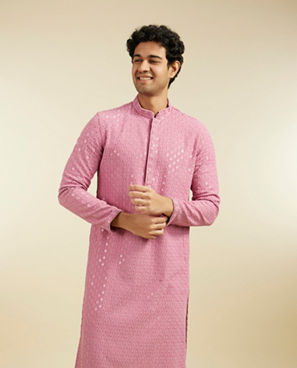
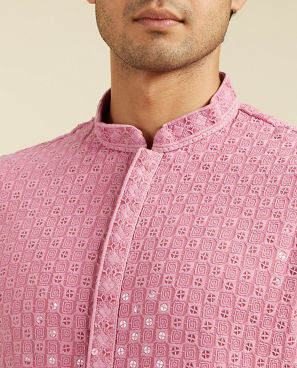
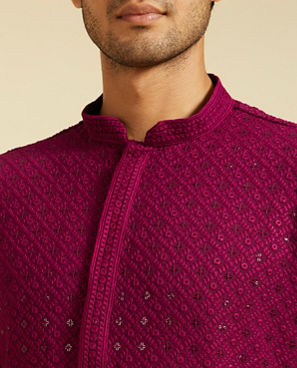
Light embellishment — subtle thread work or a tonal self-embroidery — is entirely appropriate for the festival's more formal devotional occasions like the installation day and key aarti days. Heavy embroidery, zari work, and dense embellishment are better suited to wedding functions and more formally festive occasions. For the visarjan and procession days, comfort and practicality matter more than embellishment.
3. What should I wear for the visarjan procession specifically?
The most vibrant, most practically comfortable cotton kurta you own. Saffron, red, bright yellow, or a bold printed kurta in cotton with simple white churidars or pajamas and flat footwear is the ideal visarjan outfit. You will be in a crowd for hours — the outfit needs to be as comfortable as it is celebratory.
4. Is Ganesh Chaturthi celebrated the same way across India?
No — the celebration varies significantly by region. Maharashtra has the most elaborate public celebrations with large pandals and processions. Karnataka, Andhra Pradesh, and Tamil Nadu tend towards more home-focused observances. The color and fabric choices appropriate for the occasion vary slightly based on the regional tradition being followed — understanding your own regional context helps you dress with more cultural accuracy.
5. How many kurtas do I need for a ten-day festival like Ganesh Chaturthi?
For men who celebrate actively across the full ten days, two to three kurtas across different colors cover the key occasions effectively. One in saffron or orange for the installation day and key aarti days, one vibrant or boldly printed piece for the visarjan, and an optional white or cream kurta for the more devotional morning occasions covers the full range without requiring a new outfit for every single day.

_18-04-2025-20-48:297-368)
_18-04-2025-20-48:297-368)
_18-04-2025-20-48:Swatch)
_18-04-2025-20-07:297-368)
_18-04-2025-20-07:297-368)
_18-04-2025-20-07:Swatch)