Thread Work Kurtas for Men – The Art of the Needle, Worn with Pride
There is a reason threadwork has endured through centuries of Indian craft traditions — it transforms fabric into a form of storytelling. Every stitch is intentional, every motif considered, every pattern a nod to a heritage that runs deep. Thread work kurtas for men bring this ancient craft into the contemporary wardrobe with grace and ease.
The Craft Behind the Kurta: Understanding Thread Work
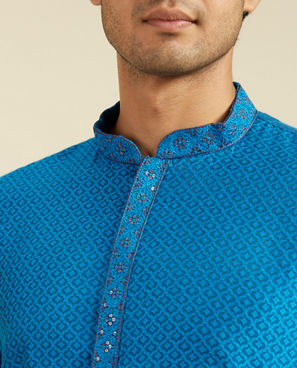
Thread work is one of India's most beloved embellishment traditions, encompassing a wide range of techniques that vary by region, pattern, and purpose. At its core, thread work involves the use of colored or metallic threads stitched onto fabric to create patterns, motifs, and textures that elevate the garment beyond a simple piece of clothing. Some thread work is bold and heavily textured — raised stitches that catch light and create dimension. Other styles are finer and more restrained — delicate lines of embroidery running along a placket or collar, adding refinement without showiness. Understanding the range of thread work available helps you choose a kurta that matches not just the occasion, but your personal aesthetic.
Techniques That Tell a Story
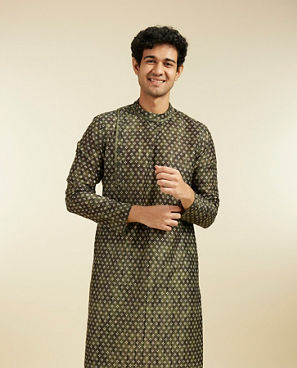
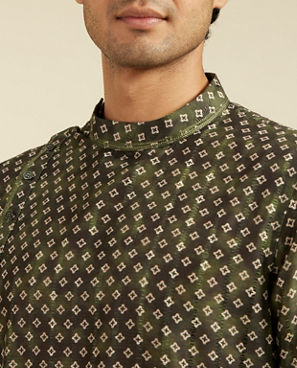
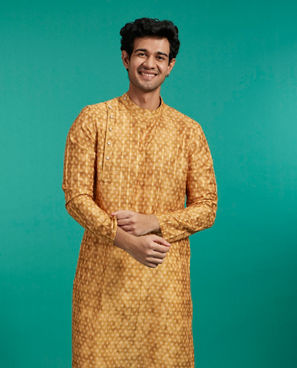
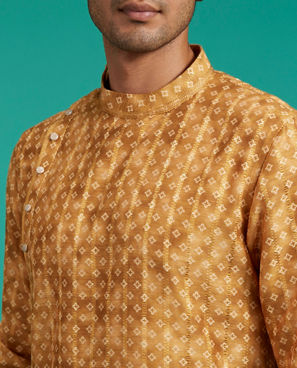
India's thread work traditions are as diverse as its geography. Phulkari embroidery from Punjab uses vibrant silk threads on cotton fabric, creating floral patterns that are joyful and energetic. Chikankari from Lucknow is defined by its delicate white-on-white or pastel thread work — subtle, refined, and deeply elegant. Kashmiri thread work features rich, densely packed floral and paisley motifs in jewel tones. Kantha stitching from Bengal creates running thread patterns that give fabric a gently textured, handcrafted quality. The Diwas thread work kurta collection draws from this rich tapestry of traditions, reinterpreting classic techniques through a contemporary lens that makes them wearable for today's Indian man across a variety of occasions.
When to Wear
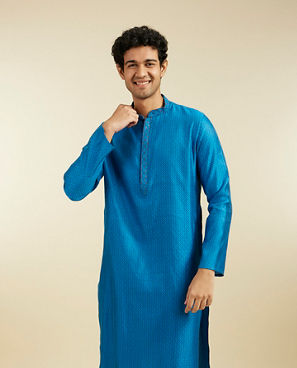
Thread work kurtas exist in a sweet spot between everyday elegance and festive dressing — making them one of the most versatile pieces in a man's ethnic wardrobe. A lightly embroidered kurta in cotton is perfectly suited for casual gatherings, college events, or family lunches where you want to look polished without going overboard. Step up to a more densely embroidered silk-blend kurta for Eid, Diwali, Navratri, or a sangeet night — occasions that call for color, craft, and personality. For wedding functions like the mehendi or cocktail evening, a kurta paired with a Nehru jacket becomes a complete, considered outfit that requires very little else. The level of embellishment is your dial — turn it up or down depending on where you're headed.
Fabrics Chosen for the Craft
The choice of fabric is never incidental — it is the foundation on which the embroidery lives. Cotton and cotton-blend fabrics provide a stable, breathable base that works especially well for lighter thread work styles like Chikankari and Kantha. The fabric's natural texture complements the handcrafted quality of the embroidery beautifully. Silk and silk-blend kurtas are the preferred canvas for heavier, more elaborate thread work — the smooth surface allows intricate motifs to stand out with clarity, and the sheen of the fabric adds to the richness of the overall look. Georgette and Chanderi fabrics lend a gentle drape to these kurtas, creating a more fluid silhouette that moves gracefully and photographs well.
Colors That Let the Craft Speak
In these kurtas, color plays a dual role — it sets the base tone of the garment and determines how the embroidery reads against it. Lighter base colors like ivory, off-white, cream, and pale grey allow thread work to stand out in maximum contrast, making them ideal for intricate or fine embroidery where every stitch deserves to be seen. Deeper base colors — navy, forest green, burgundy, or black — create a more dramatic backdrop for metallic or jewel-toned thread work, lending the kurta a rich, festive character. Pastels like blush, powder blue, and mint offer a middle ground — the thread work is visible and elegant without the starkness of pure contrast. At Diwas, the color palette across the thread work kurta range is curated to ensure the embroidery and the base fabric work in harmony rather than competition.
Styling
The embellishment does most of the visual heavy lifting — which means the rest of your outfit should support, not compete. For a classic, clean look, pair your thread work kurta with solid churidars or straight-cut trousers in a color pulled from the embroidery's palette. If your kurta features golden or silver thread work, warm ivory or cream bottoms will complement it beautifully. For a more contemporary approach, slim-fit trousers in a neutral tone — charcoal, beige, or white — let the kurta remain the focal point. Footwear should lean traditional — embroidered juttis, mojaris, or Kolhapuri sandals all work well. Avoid heavy accessories; a simple watch or a single ring is enough when the kurta itself carries such detail.
A Wardrobe Investment That Pays Off
A well-chosen kurta is one of those wardrobe pieces that never sits idle. Its craftsmanship makes it feel special, which means you'll reach for it when you want to make an impression — and it consistently delivers. Because these kurtas sit comfortably across the casual-to-festive spectrum depending on fabric and embellishment level, a single kurta can serve multiple occasions over time. Style it one way for a festival, restyle it with different bottoms for a wedding function, and wear it again with casual trousers for a smart-casual event. The investment in craft pays back many times over in versatility, longevity, and the quiet confidence that comes from wearing something genuinely beautiful.
Made for the Camera: Thread Work and Visual Storytelling
Thread work kurtas are among the most photogenic pieces in Indian menswear — and that's not an accident. The texture created by embroidery catches light in ways that flat fabric simply cannot. In photographs, this creates depth, dimension, and visual interest that elevates even a simple portrait into something more considered. Whether you're shooting for a wedding album, creating content for social media, or putting together a festive reel, a kurta from Diwas gives the frame a richness that's immediately striking. Shoot in natural light to capture the full detail of the embroidery, and choose a backdrop that contrasts gently with your kurta's base color. The craft will do the rest.
Frequently Asked Question (FAQs)
1. What is thread work embroidery on kurtas?
Thread work embroidery refers to decorative stitching done using colored or metallic threads on fabric. In kurtas, it typically appears along the neckline, placket, cuffs, and hemline, or as all-over surface embroidery depending on the style. Techniques range from delicate Chikankari and Kantha to bolder Kashmiri and Phulkari styles, each with a distinct regional identity and aesthetic character.
2. Are thread work kurtas suitable for daily wear?
Lighter work kurtas — particularly those in cotton or linen with minimal embroidery — are perfectly suited for everyday wear. They add a touch of craftsmanship to your daily outfit without feeling overdressed. Heavily embroidered kurtas in silk or richer fabrics are better reserved for festive occasions and special events.
3. How do I care for a thread work kurta to preserve the embroidery?
These kurtas should ideally be dry cleaned or hand washed gently in cold water with a mild detergent. Avoid wringing or scrubbing the embroidered areas directly. Store them folded carefully or on a hanger, and keep them away from sharp objects that could snag the threads. Ironing should be done on reverse or with a cloth placed over the embroidery to protect the stitching.
4. Can thread work kurtas be worn at weddings?
Absolutely. These kurtas in richer fabrics like silk-blend or jacquard are an excellent choice for wedding functions such as mehendi, sangeet, and cocktail evenings. Paired with tailored churidars and a Nehru jacket, this kurta creates a complete festive look that's elegant, cultural, and distinctly well-dressed without requiring a full sherwani ensemble.
5. What makes Diwas thread work kurtas different from regular embroidered kurtas?
Diwas kurtas are designed with the contemporary Indian man in mind — the embroidery is detailed and craft-forward, but the silhouettes are modern and wearable. The collection balances tradition with accessibility, ensuring that the thread work enhances the kurta rather than overwhelming it. Each piece is curated to be versatile across occasions, fabrics, and personal style preferences.




_01-09-2024-23-14:297-368)
_01-09-2024-23-14:297-368)
_01-09-2024-23-14:Swatch)
_01-09-2024-18-54:297-368)
_01-09-2024-18-55:297-368)
_01-09-2024-18-54:Swatch)
_02-09-2024-18-23:Swatch)
_01-09-2024-21-59:Swatch)