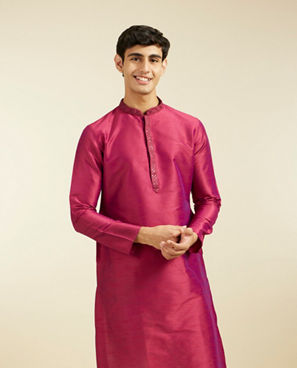
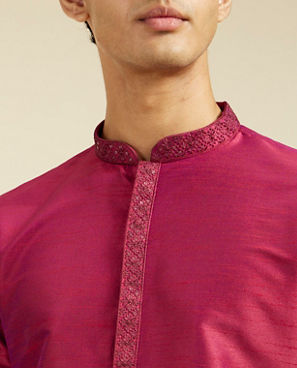
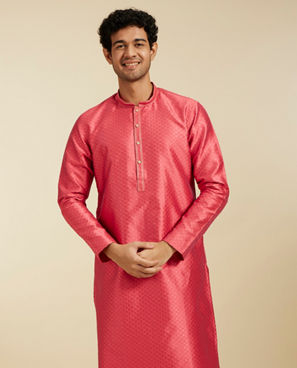
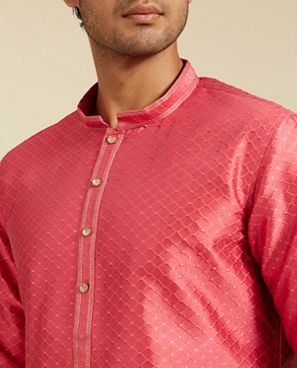
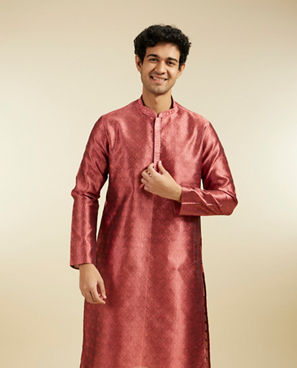
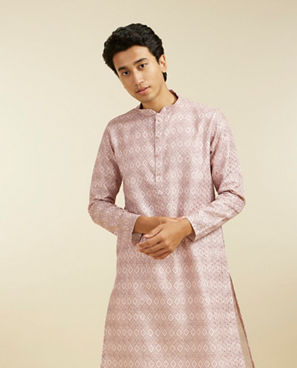
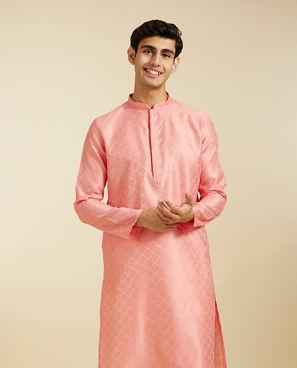
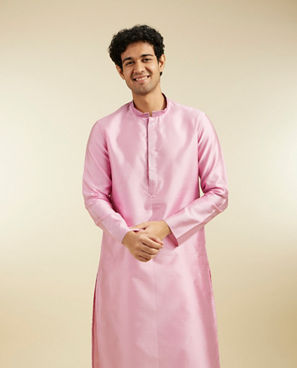
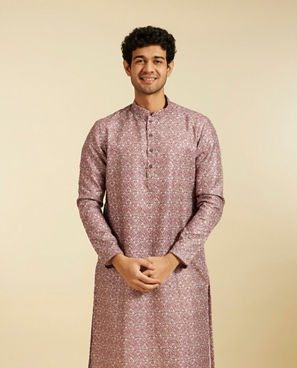
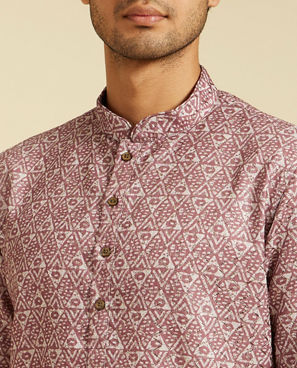
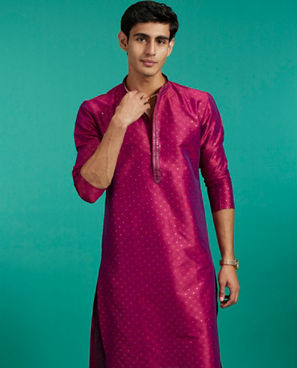
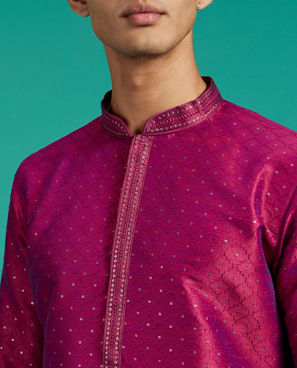
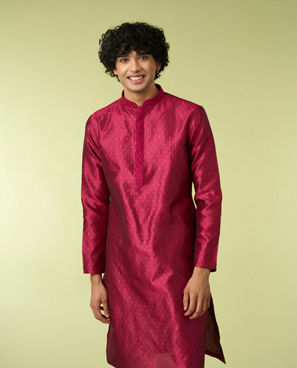
Pink silk kurta for men: a colour that has earned its place
Pink in men's ethnic wear is no longer a conversation—it's a given. From sangeet stages to reception halls, from Diwali card parties to daytime wedding functions, men across age groups and style preferences are reaching for pink with the same confidence they once reserved for navy and maroon. A pink silk kurta takes that confidence and wraps it in fabric that makes the choice feel genuinely luxurious rather than simply trend-aware.
At Diwas, pink silk kurtas bring together the full warmth and versatility of the pink spectrum—from delicate blush to deep rose—with silk's inherent luminosity and drape, creating pieces that feel completely at home at the most significant moments in a celebration calendar.
What silk does to pink
The relationship between pink and silk is one of mutual amplification—each quality makes the other more apparent and more rewarding.
-
Silk deepens pink's warmth: Where pink cotton reads as soft and casual, pink silk reads as warm and luxurious—the same colour becomes richer, more saturated, and more presence-commanding on silk.
-
The sheen gives pink a romantic luminosity: Silk fibres catch and reflect light in a way that gives pink an almost glowing quality under warm indoor lighting—the kind of luminosity that photographs exceptionally well and looks genuinely special in person.
-
Silk adds structure to pink's naturally soft mood: Pink can sometimes feel too relaxed or casual in lighter fabrics; silk's drape and handle give it the structure and intention that makes it feel occasion-ready rather than simply colourful.
-
Pink's flattery is amplified: Pink is already one of the most universally flattering colours for Indian skin tones; on silk, that flattery deepens—the fabric's warmth and sheen create a combination that photographs beautifully across a wider range of lighting conditions than cotton or synthetic alternatives.
Together, pink and silk create something that feels completely calibrated for celebration—warm, luminous, structured, and impossible to look at without appreciating the quality of the choice.
The pink silk spectrum
Pink silk kurtas on this page span a significantly broader range of shades than most men expect. Understanding the spectrum helps you choose the version that fits both your comfort with colour and the specific occasion you're dressing for.
-
Blush and baby pink on silk—the softest, most delicate end; silk gives these lightest shades a warmth and depth that stops them from looking washed out; ideal for daytime weddings, engagement parties, and spring festivals where a gentle, romantic presence is appropriate.
-
Dusty rose and old rose on silk—a muted, sophisticated direction; silk on these shades creates a very particular kind of understated luxury—warm but restrained, romantic but composed; works beautifully for semi-formal evenings and occasions where refined understatement is valued.
-
True and warm pink on silk—the classic, most widely flattering mid-tone; silk gives this shade a richness and presence that makes it work across both daytime and evening occasions with minimal styling adjustment.
-
Deep rose and hot pink on silk—a more vibrant, energetic direction; silk on these deeper shades creates strong visual presence that works for sangeet, high-energy Diwali evenings, and occasions where you want the kurta to clearly signal celebration.
-
Fuchsia and rani pink on silk—the most intense and statement-making end; silk's sheen makes these shades luminously bold; reserved for the most festive, high-energy, and occasion-heavy moments in the celebration calendar.
Design directions
Because silk on pink already creates significant visual warmth and presence, design work in this category is typically deliberate and proportioned to the shade. On this page you'll find:
-
Plain —the most versatile and quietly confident statement; the fabric's warmth, sheen, and drape are the entire look; pairs with a wide range of bottoms and works across multiple festive occasions without modification.
-
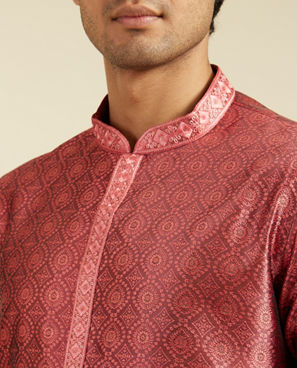
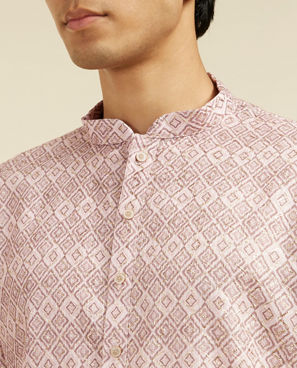
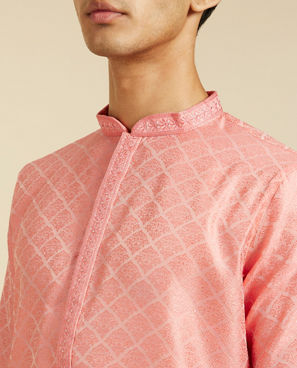
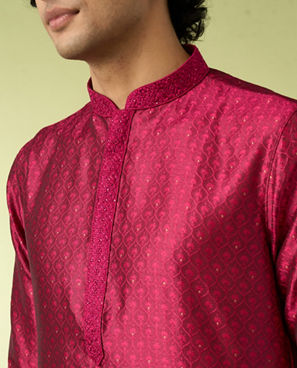
Self-design and jacquard pink silk—tonal patterns woven into the silk itself; visible as surface texture and motif up close, reads as clean and unified from a distance; adds quiet depth without introducing colour complexity.
-
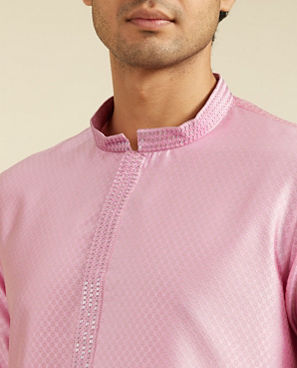
Lightly embroidered—focused threadwork, zari highlights, or sequin accents along the neckline, placket, or cuffs; on pink silk, embroidery reads warmly and romantically rather than formally—creating a look that is occasion-ready without being stiff.
-
Chikankari on pink silk—fine Lucknawi-style stitching over a pink silk or silk-feel base; the combination of delicate embroidery and silk's natural warmth creates a very particular kind of beauty—handcrafted, luminous, and completely appropriate for daytime weddings and mehendi functions.
-
Sequin and mirror-highlighted pink silk—controlled shimmer placed within embroidered or self-design areas; on pink silk, sequins catch light in a warm, golden-rose way that creates romantic evening glamour perfectly calibrated to the colour's inherent mood.
Fabric constructions
Pink silk kurtas on this page span a range of fabric types that balance luxury, comfort, and occasion-appropriateness.
-
Art silk and art-silk blends—the most widely used; captures silk's warmth and drape in pink at practical price points while feeling genuinely elevated for most festive and formal occasions.
-
Pure silk and mulberry silk—the most luxurious direction; deeper sheen, richer hand, and an unmistakably premium drape; pink on pure silk has a warmth and luminosity that no blended fabric replicates.
-
Viscose-silk blends—lighter and more fluid than pure silk; viscose adds softness and reduces weight while the silk component contributes warmth and quality; practical for longer functions and warmer venues.
-
Silk-cotton blends—breathable enough for daytime and outdoor occasions while carrying enough sheen to read clearly as silk-family; works for kurtas designed for garden weddings and afternoon functions.
-
Jacquard silk in pink—where the weave creates self-design patterns in the same or complementary tones; adds quiet complexity and texture that rewards close attention without loudly announcing its presence.
How to style
Because pink is warm and expressive and silk adds inherent formality, styling a pink silk kurta is about choosing what frames and supports the combination without competing with its natural warmth.
Bottom choices:
-
White or cream churidar—the most natural and widely flattering pairing; clean white creates a fresh contrast that lets the pink silk read clearly and fully; works across most shades from blush to deep rose.
-
Beige or ivory slim pyjamas—a softer, warmer alternative; the warmth of beige complements pink's natural warmth without the sharpness of white contrast; ideal for daytime and softer occasions.
-
Gold-tone or champagne churidar—elevates the formality significantly; pink over gold creates a very warm, richly festive look appropriate for sangeet and reception-level functions.
-
Grey churidar—an unexpected but very sophisticated pairing; grey grounds pink's warmth and creates a modern, composed look that works particularly well with dusty rose and muted pink silk shades.
-
Black churidar—for a contemporary, high-contrast look that feels very evening-centric; deeper pinks and fuchsia on black create a striking, modern statement particularly suited to younger, fashion-forward celebration settings.
Footwear:
-
Embroidered or embellished mojaris in gold, cream, or pink-toned leather feel the most traditional and complete.
-
Tan or caramel formal shoes work for a warm, contemporary read that doesn't disrupt the colour palette.
-
Polished dark shoes with deeper pink silk create a sharper, more modern evening silhouette.
Accessories:
-
Rose gold and warm-toned metals sit most naturally with pink silk across all shades—they amplify the warmth without competing with it.
-
Yellow gold works particularly well with deeper and more vibrant pink shades; white gold and silver suit cooler or more muted pink tones.
-
Keep jewellery deliberate and minimal—a watch, subtle kada or ring; pink silk's warmth and luminosity mean the kurta already carries significant presence.
-
A stole in ivory, soft gold, or pale pink adds ceremony for the most formal moments without disrupting the overall palette.
Pink silk versus pink cotton, chikankari, and embroidered
Understanding where each pink kurta type fits ensures you build a wardrobe that serves different occasions without overlap.
-
Pink cotton kurta: Relaxed and breathable; best for casual festive occasions, Holi, outdoor daytime events, and everyday ethnic dressing.
-
Pink printed kurta: More expressive; casual-to-mid-festive register; works for campus events and daytime celebrations where design awareness matters.
-
Pink chikankari kurta: Craft-forward and delicate; suited to daytime weddings, mehendi, and occasions where visible handcraft is important.
-
Pink embroidered kurta: More formal and occasion-specific; best for evening wedding functions and events where the outfit needs visible craft at a higher formality level.
-
Pink silk kurta: Fabric-forward luxury; richness comes from the material and its interaction with colour; suited to the most significant occasions where pink needs to feel genuinely ceremonial and deliberate.
In a curated celebration wardrobe
In a thoughtfully built ethnic wardrobe, a pink silk fills the warm, romantic luxury slot—the version of pink that you reserve for the celebrations that feel most emotionally significant and most deserving of genuine fabric quality.
Alongside:
-
casual pink pieces for everyday festive occasions, and
-
craft-forward pink options for mid-level wedding functions,
a pink silk kurta becomes:
-
your choice for sangeet, engagements, and the most emotionally charged wedding-week moments;
-
the piece that photographs most warmly and richly under formal function lighting;
-
a long-term wardrobe investment that rewards careful selection—one well-chosen this kurta can represent the colour in your wardrobe across multiple seasons and celebrations.
In photos, reels, and milestone memories
Pink silk photographs with a quality that is genuinely distinct from all other pink kurta types. The fabric's warmth creates an almost glowing quality in portraits—particularly under the warm lighting typical of Indian celebration venues—while silk's natural sheen adds surface variation and texture that makes the kurta look dimensional and considered in both still images and video.
In sangeet videos and entrance reels, pink silk catches stage and event lighting in a way that creates warm, luminous frames—the kind that are immediately distinctive in a wedding album or social media gallery. In outdoor daytime photography, softer pink silk shades capture natural light with a romantic warmth that looks beautiful against most venue backdrops and décor palettes. In group photographs at formal functions, pink silk stands out from cotton pinks and lighter fabrics in a way that is quietly but clearly apparent to anyone who pays attention to the quality of what is being worn.
For the moments that become milestone memories—sangeet portraits, engagement photographs, formal family captures—a pink silk kurta ensures that the warmth and luminosity of the fabric match the emotional significance of the occasion being celebrated.
Frequently Asked Questions (FAQs)
1. Is a pink silk kurta appropriate for formal wedding functions?
Yes—mid-pink, deep rose, and fuchsia silk kurtas with self-design, embroidery, or sequin highlights in richer fabric constructions are appropriate for sangeet, reception, and high-formality wedding functions; the key is matching shade and design weight to the formality of the occasion.
2. What makes pink silk different from pink cotton or viscose?
Silk gives pink a warmth, depth, and luminosity that cotton and viscose cannot achieve; the fabric's sheen makes pink look rich and occasion-ready rather than simply colourful, and its drape conveys a quality other fabrics don't achieve.
3. What bottoms pair best with a pink silk kurta?
White or cream churidar for a classic, fresh contrast; beige or ivory pyjamas for a softer pairing; gold-tone churidar for reception-level formality; grey churidar for a sophisticated contemporary look; black churidar for a high-contrast evening statement with deeper shades.
4. Which shade of pink silk is most versatile?
True and warm mid-pink on silk tends to be the most versatile—it works for both daytime and evening occasions, suits the widest range of skin tones, and pairs with the broadest range of bottoms and accessories without requiring very specific styling.
5. How do I care for a pink silk kurta to maintain its colour and sheen?
Dry-clean where possible, especially for embellished or embroidered versions; hand-wash simpler silk-feel pieces in cold water with a mild detergent; dry flat in the shade, away from direct sunlight to prevent colour fading; store in breathable fabric bags rather than plastic to preserve the fabric's warmth and sheen over time.

_18-04-2025-22-15:297-368)
_18-04-2025-22-16:297-368)
_18-04-2025-22-15:Swatch)
_28-04-2025-07-19:297-368)
_18-04-2025-17-57:297-368)
_28-04-2025-07-19:Swatch)
_28-04-2025-06-46:297-368)
_18-04-2025-21-09:297-368)
_28-04-2025-06-46:Swatch)