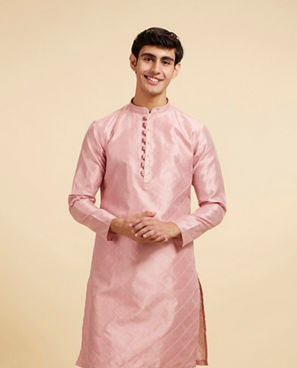
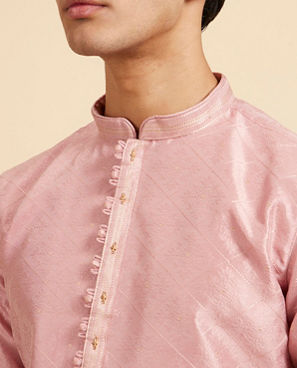
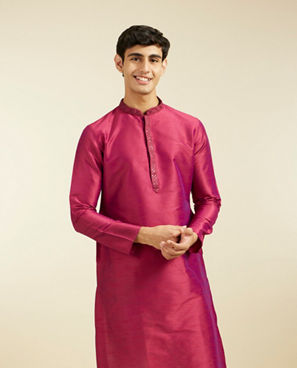
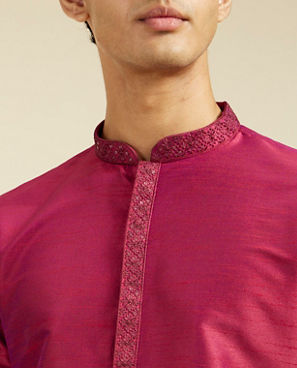
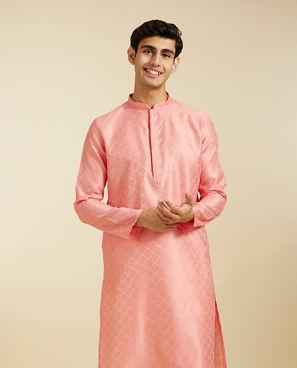
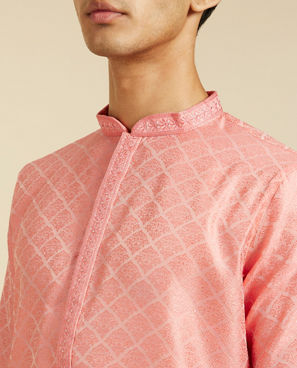
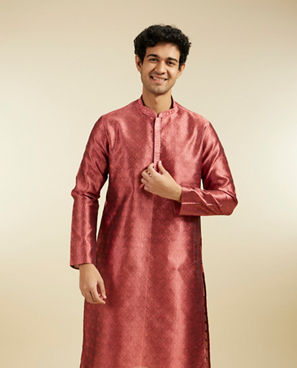
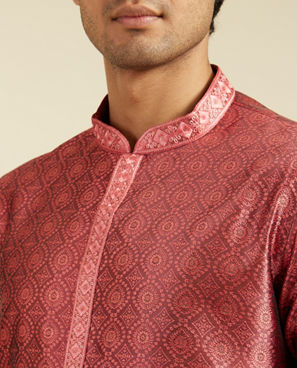
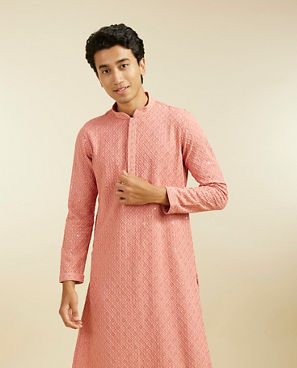
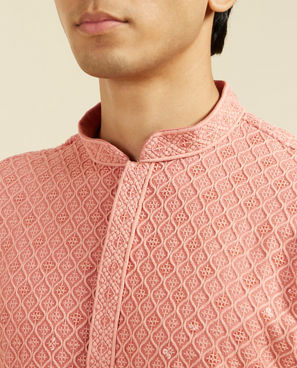
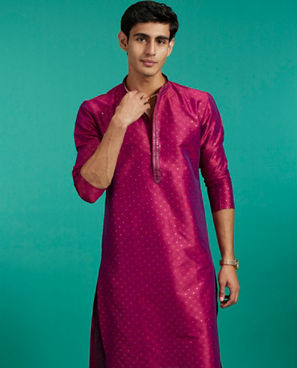
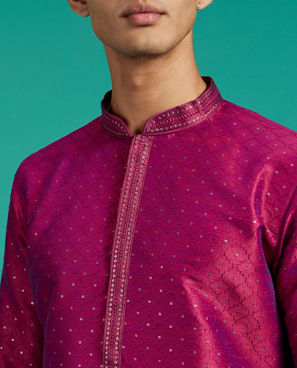
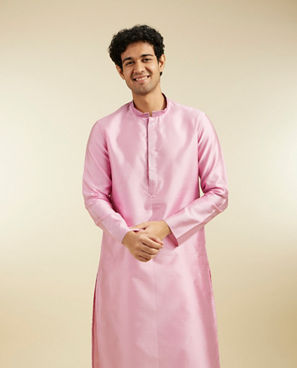
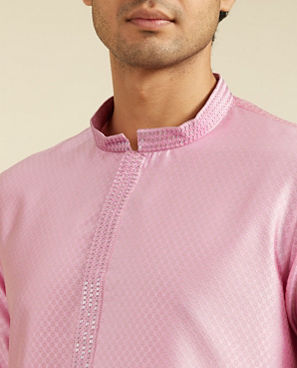
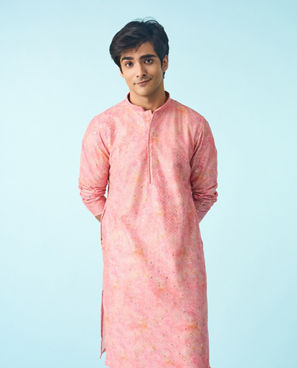
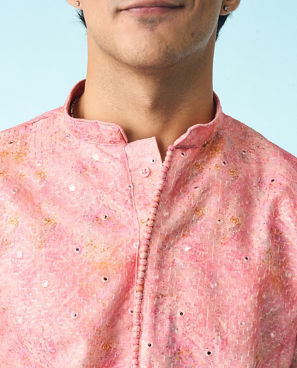
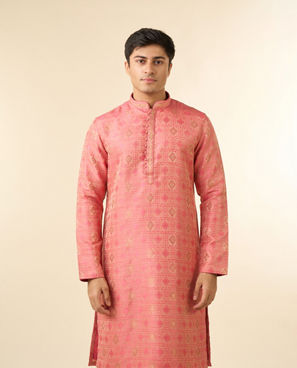
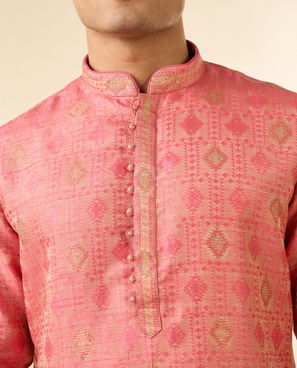
Pink embroidery kurta for men
Pink embroidery kurtas lean into what Diwas does best: relaxed, celebration‑ready silhouettes with thoughtful surface work that shows up beautifully in real life and on camera. You’ll see pastel blush, dusty rose, and deeper pinks brought to life with thread embroidery, chikankari‑inspired textures, and sometimes small sequin or mirror touches.
The goal is not to make pink feel costume‑y, but to position it as a confident colour choice for men—one that bridges heritage and a very current sense of style.
Why pink with embroidery feels so right now
Pink in menswear has shifted from “experimental” to “confident classic” over the last few seasons. This kurta taps into that shift perfectly: the colour already signals warmth and openness, and the embroidery adds the craft and occasion feel you expect from Indian celebration wear.
Men are choosing embroidered pink kurtas because:
-
They stand out without the intensity of bright red or deep maroon.
-
Pastel and dusty pinks flatter a wide range of skin tones in both daylight and evening light.
-
Embroidery gives enough detail for weddings, Diwali, and sangeet nights, but the base still feels soft and easygoing.
-
The colour photographs beautifully, especially in outdoor venues, garden functions, and well‑lit indoor sets.
For Gen Z and younger families, a pink embroidery kurta often becomes the piece that quietly says, “I’m dressing up for this,” without feeling overly formal.
Fabrics and finishes behind these kurtas
For pink to look rich and for embroidery to sit cleanly, the fabric underneath has to strike the right balance between drape, sheen, and comfort. Diwas‑linked pink embroidered kurtas and similar pieces typically sit on:
-
Breathable cotton and cotton‑rich blends, ideal for pastel and light pink embroidered kurtas you wear to daytime events, casual functions, and warm‑weather celebrations.
-
Art silk and silk‑feel bases, used in more luxurious pink embroidery kurtas where a subtle sheen elevates the colour for sangeets and receptions.
-
Viscose and cotton‑viscose blends, which drape nicely over churidars or trousers and let embroidery motifs sit flat without stiffness.
Embroidery itself can range from fine tonal threadwork and chikankari‑inspired motifs to slightly more ornate patterns with zari, sequins, or mirror highlights, depending on how dressy you want your pink kurta to feel.
Shade stories: from blush to deep rose
“Pink embroidery kurta” is not one fixed look; the exact shade of pink decides how your outfit reads.
You’ll broadly encounter:
-
Soft blush and baby pinks – light, cooling tones that feel perfect for daytime weddings, haldi, brunch events, and summer festivals. Embroidery here tends to be delicate and often tonal, keeping the overall mood gentle.
-
Dusty rose and old‑rose pinks – muted, slightly deeper shades that look refined and work beautifully for evening engagements, receptions, and indoor Diwali gatherings. Embroidery stands out a little more on these without feeling loud.
-
Fuchsia and deeper “rani” pinks – richer, vibrant shades suited to sangeet nights, big Diwali parties, or when you want your kurta to be clearly statement‑making. Here, embroidery and colour together create a stronger, more celebratory presence.
Choosing your pink is really about your comfort with colour and where you see yourself wearing the kurta most.
How the embroidery shapes the personality
On pink, embroidery does more than just decorate—it decides how traditional, romantic, or edgy the final look feels.
Common design directions you’ll see in this space:
-
Tonal floral and paisley work along the placket and yoke that adds romance and softness to baby pink and blush shades.
-
More structured, motif‑based embroidery—ethnic motifs, jaals, or geometric layouts—on mid and dusty pinks that read a bit more formal and “occasion‑ready”.
-
Light sequin or mirror‑highlighted embroidery on deeper pinks, giving just enough sparkle for stage, dance floors, and evening photos without overwhelming the base colour.
-
Self‑design and lightly embroidered textures that give depth and artisanal interest even when the kurta looks clean from a distance.
Because the base shade is already expressive, embroidery is usually concentrated around the neckline, chest, and sleeves, letting the lower half stay simpler for balance.
Where a pink embroidery kurta really belongs
This kurta quietly covers more of your festive calendar than you might expect. It fits naturally into:
-
Engagements and roka ceremonies, where the vibe is celebratory but not yet full wedding‑day intense.
-
Daytime weddings and receptions, especially in outdoor or garden venues where soft and mid‑pinks look fresh in natural light.
-
Sangeet and cocktail‑style evenings, particularly with deeper or more vibrant pinks and slightly heavier embroidery.
-
Holi and spring festivals, where pastel pinks pair well with the colour and brightness of the day.
-
Diwali week events and family get‑togethers, when you want to break out of the usual red, blue, and black rotation with something more playful yet polished.
Because pink signals warmth and confidence rather than strict formality, you can comfortably repeat the same embroidered piece across different friend and family circles.
Styling paths: how to wear it in your own way
Styling is where you make a pink kurta feel like “you”—whether that’s soft and romantic, sharp and modern, or slightly experimental.
Some real‑world combinations:
1. Soft daytime wedding guest
2. Evening‑ready dusty rose
-
A dusty pink kurta with more defined embroidery, paired with cream or beige churidar and formal shoes or rich mojaris.
-
Minimal accessories—a kada and watch—keep it refined for receptions or cocktail‑leaning functions.
3. Fuchsia for sangeet and big Diwali nights
-
A deeper pink kurta with churidar or slim pyjamas in beige, cream, or even a subtle gold tone.
-
Consider a contrasting stole or light Nehru jacket if you want a more layered, “main event” silhouette.
4. Modern city‑festive
-
A light or mid‑pink embroidered kurta with tapered neutral trousers or dark denims and loafers or clean sneakers.
-
Great for restaurant celebrations, office parties, or low‑key festive evenings with friends.
Since both colour and embroidery are already talking, you rarely need heavy jewellery; one or two well‑chosen pieces are enough.
How a pink embroidery kurta fits a small wardrobe
In a tight celebration wardrobe, the kurta fills a very particular and useful slot: playful, polished, and distinct from your neutrals and deep tones.
Alongside:
-
one cream or beige kurta for classic rituals and family pujas, and
-
one deeper tone (navy, bottle green, maroon) for more formal evenings,
A pink embroidery kurta becomes:
-
your go‑to for engagement parties, brunch weddings, and spring festivals;
-
the piece you reach for when you want to look “dressed up but not serious”;
-
a reliable choice any time you know there’ll be a lot of photos and you want something that feels current.
Because shades of pink run such a wide spectrum, picking one that suits your skin tone and comfort level means you’ll keep wearing it season after season—not just for one experimental outing.
For photos and reels
Pink is inherently camera‑friendly: it lifts the frame, flatters skin, and helps you stand out in group shots without dominating the entire picture. Add embroidery, and you get close‑up texture that looks considered in portraits and outfit reels.
Pastel and baby pinks excel in daylight and soft indoor lighting, while dusty rose and deeper pinks come alive under warm, evening setups. It’s the kind of kurta that looks good across phone cameras and professional lenses, making it a smart pick if you care as much about your gallery as your mirror.
FAQs
1. Is a pink embroidery kurta too bold for most men?
No. Soft and dusty pinks are surprisingly easy to wear and flatter most skin tones; embroidery simply adds an occasion‑ready layer without pushing the look into “too loud” territory.
2. What bottoms pair best with a pink embroidery kurta?
White, cream, and beige churidars or pyjamas are the safest; for a sharper or more urban look, some styles also work well with neutral trousers or dark denims.
3. Can I wear a pink embroidered kurta to weddings?
Absolutely—pastel and mid‑pinks with embroidery are great for daytime weddings and engagements, while deeper or fuchsia pinks with richer work suit sangeets and receptions.
4. Will a pink embroidery kurta look good in photos?
Yes. Pinks photograph very well, and embroidered details show nicely in close‑ups and reels, especially in natural light or warm indoor lighting.
5. How can I keep a pink embroidery kurta from feeling too “sweet”?
Balance it with clean, neutral bottoms, minimal jewellery, and grounded footwear (tan, brown, or deep neutrals); dusty and old‑rose shades also naturally skew more sophisticated than sugary.

_18-04-2025-22-15:297-368)
_18-04-2025-22-16:297-368)
_18-04-2025-22-15:Swatch)
_28-04-2025-07-19:297-368)
_18-04-2025-17-57:297-368)
_28-04-2025-07-19:Swatch)
_28-04-2025-06-46:297-368)
_18-04-2025-21-09:297-368)
_28-04-2025-06-46:Swatch)