Green embroidery kurta for men: colour with craft
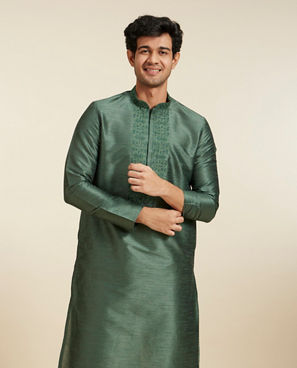
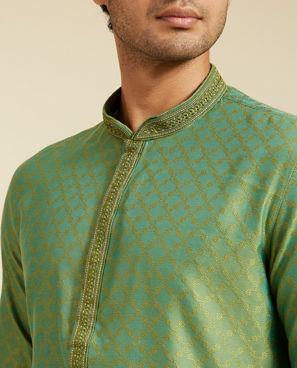
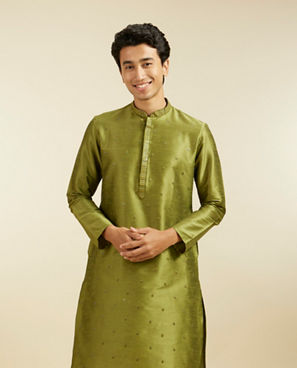
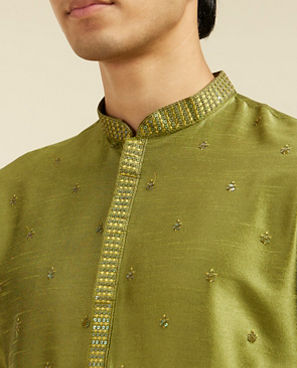
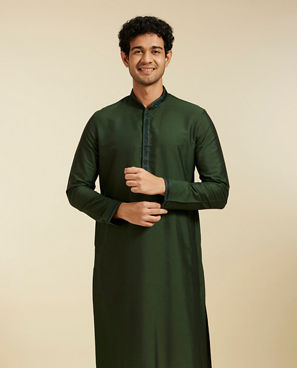
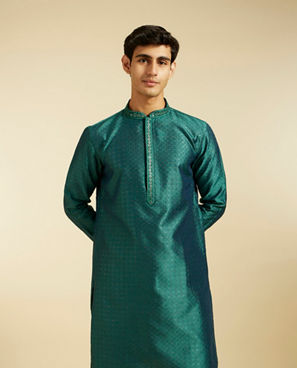
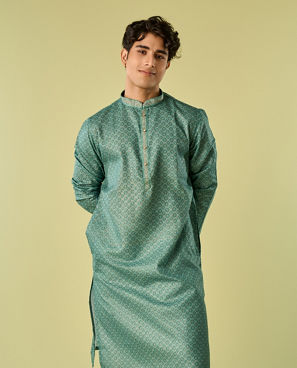
On this page, green embroidery kurtas span a wide design range—from bottle and forest greens with heavy jaal patterns to softer mid-greens with focused neckline embroidery. What ties them together is the idea that green and embroidery are natural partners: the colour provides depth and presence, while the craft adds the dimension and detail that elevate a kurta from simply festive to genuinely occasion-ready.
At Diwas, these pieces are built for real celebrations—weddings, Diwali, Eid, sangeet—where you want to look like you've thought about your outfit, not just thrown something on.
Why green and embroidery work so well together
Of all the colours embroidery sits on, green is one of the most rewarding. Here's why:
-
Deep greens (bottle, forest, hunter) give embroidery a rich, jewel-like backdrop where even tonal or subtle threadwork looks luxurious and intentional.
-
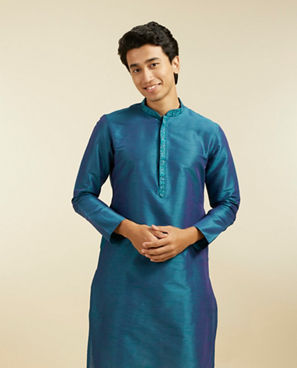
Mid-greens (emerald, teal-adjacent) create enough contrast for multi-colour or metallic embroidery to stand out clearly without competing with the base colour.
-
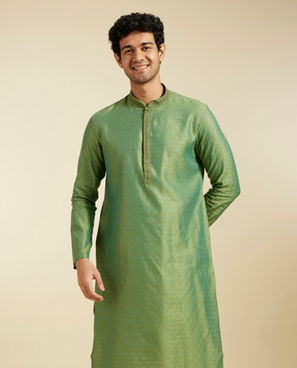
Lighter greens with embroidery (sage, pista) feel delicate and handcrafted, especially when the work is fine chikankari-style stitching rather than dense patterns.
Across all shades, embroidery on green reads as considered and festive—it doesn't need a lot of additional accessories or layers to feel occasion-appropriate.
Shades of green on this page: picking your mood
Green is one of the broadest colour families in men's wear, and embroidery behaves differently on each shade. The main directions you'll encounter here:
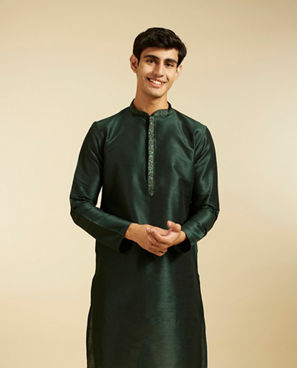
- Bottle and deep green: The richest, most evening-centric shade—embroidery here feels regal and reception-ready, especially with zari or metallic thread.
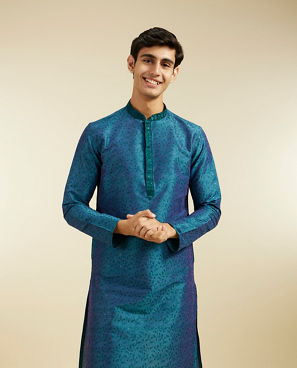
- Emerald and jewel green: Vibrant and bold, sitting between mid and deep; embroidery in contrasting or tonal threads looks striking for sangeet and high-energy functions.
- Olive and earthy greens: More grounded and textured in mood; embroidery here feels artisanal and relaxed, suited to smaller gatherings and semi-formal occasions.
- Pista and soft greens: Lighter and more delicate; fine embroidery or chikankari work keeps the kurta feeling gentle and daytime-appropriate.
Choosing your green is really about matching the depth of the occasion—softer shades for day, deeper shades for evening.
Embroidery styles you'll see on green kurtas
The type of embroidery on a green kurta determines how dressed-up the piece feels and where it fits in your calendar.
Across this page and related collections:
-
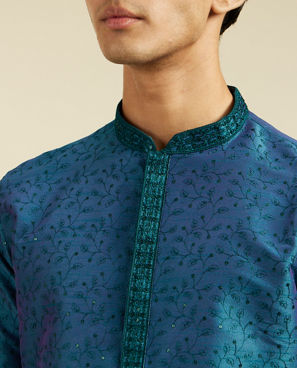
Jaal and all-over patterns—a continuous repeating motif that covers much of the kurta surface, creating a regal, almost sherwani-adjacent feel for receptions and big wedding functions.
-
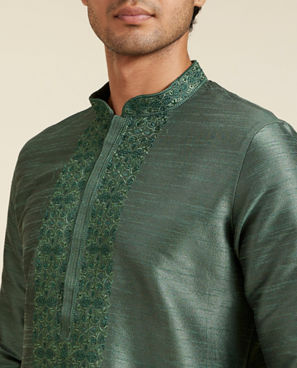
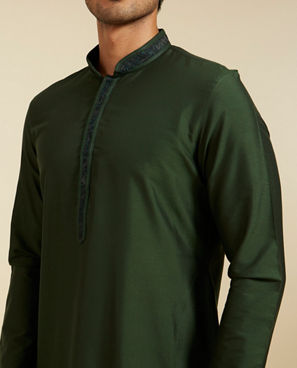
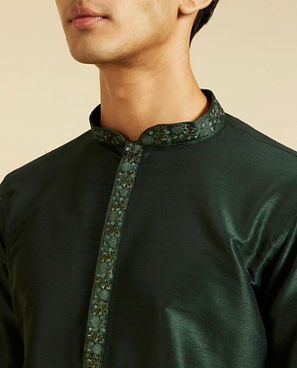
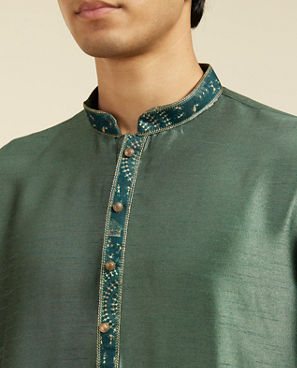
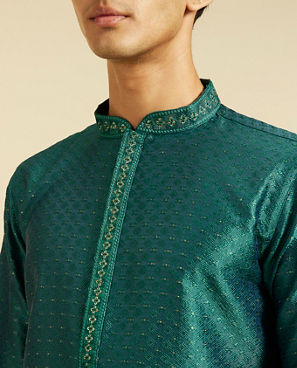
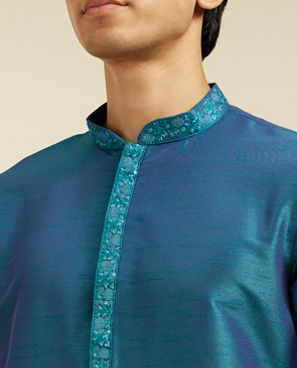
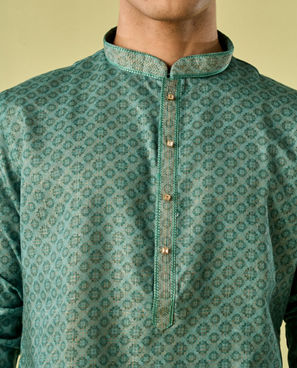
Neckline and placket embroidery—focused work along the collar, button line, and cuffs that adds occasion-readiness without making the piece feel heavy or elaborate.
-
Zari and metallic threadwork—gold or silver threads woven into the embroidery give green kurtas a slightly grand, celebratory quality ideal for Diwali nights and reception-side functions.
-
Sequin and mirror highlights—small shimmer accents placed within threadwork motifs that catch light beautifully in indoor venues and evening settings.
-
Chikankari-inspired stitching—fine, airy embroidery that sits lightly on softer greens, keeping the kurta feeling handcrafted but not heavy.
The density and style of embroidery you choose should match how formal the occasion is and how comfortable you are with more detailed, dressy outfits.
Occasions where green embroidery feels exactly right
A green embroidery kurta is a strong choice across a surprisingly wide range of celebrations. It fits naturally at:
-
Mehendi and pre-wedding functions—green is traditionally tied to these ceremonies, and embroidery gives you a polished, intentional look for one of the most photographed events in a wedding week.
-
Eid gatherings and community celebrations—where green carries deep symbolic meaning and embroidery elevates the kurta into something that feels occasion-worthy without going into sherwani territory.
-
Sangeet and musical evenings—especially emerald and jewel greens with sequin or zari highlights that pick up stage lighting and look lively in video and photos.
-
Diwali nights and key festive gatherings—where bottle green with embroidery feels rich and deliberate under warm lights and diyas.
-
Receptions as a guest or close family member—where you want your look to feel sharper and more formal without committing to a full three-piece set.
Because green is both festive and grounding, a well-chosen embroidered green kurta rarely feels overdressed—it always reads as considered and appropriate.
How fabric choice shapes the embroidery story
For embroidery to sit well and green to look its best, the base fabric has to support both. Across green embroidery kurtas at Diwas:
-
Art silk and silk-feel bases carry deep greens like bottle and emerald beautifully, giving the colour depth and letting zari or metallic embroidery shine under lighting.
-
Viscose and blended viscose are used in kurtas where drape is important—the fabric falls smoothly over churidar or trousers and keeps embroidery lying flat without bunching.
-
Jacquard and self-weave textures in some pieces mean the fabric itself adds pattern before embroidery even begins, creating a layered, intricate effect that looks rich from a distance.
-
Cotton-silk blends in lighter green kurtas where breathability matters but the occasion still calls for some shine and surface work.
Getting the fabric right is what makes a kurta look as good at the end of a long wedding evening as it did at the beginning.
Three outfit moods
Instead of generic styling tips, here are three real scenarios that show how differently the same category can behave:
1. Mehendi morning to evening
-
A soft or mid-green kurta with focused neckline embroidery.
-
White or cream churidar, classic mojaris, minimal accessories.
Through the day it feels light and fresh; as evening sets in and lights come on, the embroidery starts to glow.
2. Sangeet night energy
3. Reception-side, close family look
-
A bottle green kurta with dense zari or metallic embroidery.
-
Deep beige or gold-tone churidar and formal shoes or rich mojaris.
-
Consider a stole or Nehru jacket in a complementary neutral if you want a more layered, dressed-up silhouette.
Across all three, the green base and embroidery stay consistent—only the weight of the craft and the pairings shift to match the moment.
Turning the detail up or down
One of the practical strengths of this category is how you can control how formal your kurta feels without changing the piece itself.
-
Dial it down: Pair with lighter, softer bottoms (white cotton pyjamas), simple footwear, and minimal accessories. Works for smaller functions, home gatherings, and daytime events.
-
Keep it balanced: Cream or beige churidar, clean mojaris, one or two accessories. Right for most weddings, sangeet, and Diwali evenings as a well-dressed guest.
-
Turn it up: Gold-tone or deeper bottoms, polished formal footwear, a stole or Nehru jacket, and a bolder kada or bracelet. This is your "important evening" version—close family photos, reception entries, and milestone events.
The same green embroidery kurta can move across all three levels with very small changes, making it one of the most efficient pieces in a celebration wardrobe.
Green embroidery in a compact wardrobe
In a tight celebration wardrobe, this kurta fills the rich, craft-forward colour slot that neutrals and lighter tones can't cover.
Alongside:
-
a cream or white piece for rituals and morning functions, and
-
one neutral embroidered piece (beige, navy, or black) for formal evenings,
a green embroidery kurta becomes:
-
your default for mehendi and Eid without needing a separate outfit for each;
-
the piece you reach for when an invitation feels more important than usual and you want visible craft in your look;
-
a colour that repeats well across seasons because green is both traditional and always current in Indian celebration dressing.
Green embroidery in photos and reels
These kurtas are among the most photographically satisfying pieces in men's wear. Deep greens don't wash out under warm indoor lighting, and embroidery—especially with zari or sequin highlights—adds close-up texture that looks considered in portraits and dynamic in reels.
In group shots, green stands out clearly against whites, creams, and pastels, helping you look defined in frames without dominating them. In video, the shimmer and thread movement create just enough visual interest to make slow-pan outfit reels and entrance clips look effortlessly polished.
If you're attending a wedding week where content will be captured across multiple events, it is a reliable choice for at least one of those evenings—it photographs consistently well regardless of the venue, lighting setup, or camera used.
FAQs
1. Is a green embroidery kurta only for mehendi?
No. While it's a natural choice for mehendi, these kurtas also work for Eid, sangeet, Diwali, receptions, and any function where you want colour plus visible craft in your look.
2. Which shade of green is most versatile for embroidery kurtas?
Bottle green and emerald tend to be the most occasion-flexible—deep enough for evening events, rich enough to carry heavier embroidery, and widely accepted across different celebration types.
3. What bottoms work best with a green embroidery kurta?
Cream, beige, off-white, and gold-tone churidars or pyjamas are the most reliable; for more formal or reception-side looks, slightly deeper or richer bottoms can also work well.
4. Can a green embroidery kurta work for Diwali?
Absolutely—bottle green and deeper shades with zari, metallic thread, or sequin embroidery look particularly rich under Diwali lighting and feel appropriately festive for main-day celebrations.
5. How do I choose between a heavily embroidered and a lightly embroidered green kurta?
Match the weight of embroidery to the formality of the occasion—lighter embroidery for daytime, smaller, or casual functions; heavier jaal, zari, or all-over work for evening weddings, receptions, and high-profile festive events.















_01-09-2024-22-09:297-368)
_01-09-2024-22-10:297-368)
_01-09-2024-22-09:Swatch)