Full sleeve kurta for men: why the sleeve changes everything
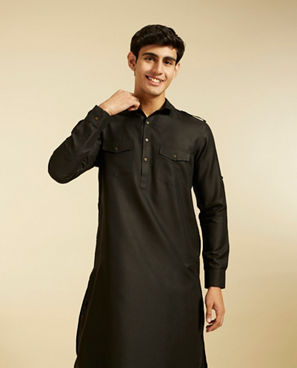
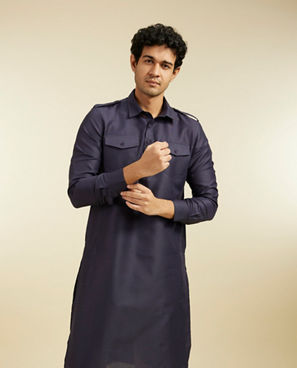
A kurta's sleeve length is one of the most underappreciated details in men's ethnic dressing. Half sleeves can feel casual; rolled sleeves can look improvised. A full sleeve, by contrast, arrives complete—the silhouette is finished, the look is intentional, and the overall impression is of a man who dressed for the occasion rather than adapted to it.
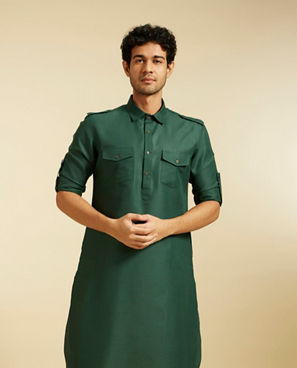
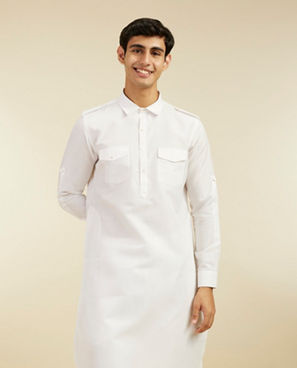
On this page, Diwas covers a wide range of styles—plain, printed, embroidered, chikankari, and self-design—all sharing the quality of a proper, full-length sleeve that completes the kurta's silhouette and adds a layer of polish that elevates even the simplest piece.
What a full sleeve does to the overall look
The practical and aesthetic impact of a full sleeve goes beyond temperature management or tradition. It reshapes how the kurta is perceived.
-
It creates a complete silhouette: A full sleeve kurta reads as a finished garment in the way a half-sleeve doesn't; from collar to cuff, the look is whole and intentional.
-
It adds formality without embellishment: Even a plain kurta looks more dressed-up than its half-sleeve equivalent because the sleeve itself signals effort and occasion-readiness.
-
It frames the body better in photos: Full sleeves create clean lines in portraits and full-length shots; there are no awkward transitions between fabric and bare skin partway down the arm.
-
It works with accessories: Watches, kadas, and bracelets show better against a full sleeve cuff than against bare skin—the contrast between fabric and metal creates a more considered, styled impression.
-
It carries embroidery and cuff details naturally: Many kurtas feature embroidered or embellished cuffs that add detail to the wrist area—a finishing touch that is only possible with a full sleeve.
For men who want their festive look to feel genuinely complete and considered from every angle, a full sleeve kurta is the most reliable way to achieve that.
Styles
These kurtas are not a single aesthetic—they span a wide range of design approaches that share the common quality of a proper, finished sleeve. On this page you'll find:
-
Plain kurtas—solid colours in cotton, viscose, or silk-feel fabrics where the sleeve length and clean silhouette carry the entire look; ideal for men who prefer minimal dressing with maximum structure.
-
Printed kurtas—florals, geometric motifs, heritage patterns, and abstract designs on full-sleeve silhouettes; the combination of a distinctive print and a complete sleeve creates a look that feels both expressive and polished.
-
Embroidered kurtas—threadwork, zari, or sequin embellishment paired with full-sleeve construction; often featuring embroidered cuffs that match or complement neckline and placket work, creating a cohesive, formal piece.
-
Chikankari kurtas—fine Lucknawi-style embroidery across a full-sleeve base; the delicate work extends naturally to the cuff, creating a piece that feels handcrafted from collar to wrist.
-
Self-design and jacquard kurtas—where woven patterns add texture and depth to the sleeve as well as the body, creating a uniform surface that reads rich and deliberate up close.
Each style uses the full sleeve differently—as a frame, as a canvas for embroidery, or simply as the element that completes an already strong design.
Occasions where it feels most right
These kurtas are inherently more formal than their shorter alternatives, which makes them a natural choice for occasions where the dress code or emotional register demands more than casual festive wear.
They fit particularly well when you're:
-
Attending evening wedding functions—sangeet, reception, and cocktail-adjacent events where this kurta creates the kind of complete, polished silhouette that feels appropriate for formal photography and important social occasions.
-
Dressing for winter weddings and Diwali—full sleeves provide natural warmth for cooler-weather functions while keeping the look ethnic and celebration-appropriate without adding layers.
-
Participating in religious ceremonies and poojas—where a full sleeve feels more respectful and traditionally appropriate than shorter alternatives, particularly in temple or home settings.
-
Office festive days and cultural events—where a full sleeve solid or self-design kurta looks professional enough for the workplace while still feeling ethnic and celebratory.
-
Formal family milestones—anniversaries, milestone birthdays, and housewarmings where you want to look genuinely dressed for the occasion.
-
Content and portrait sessions—where the clean lines of a full sleeves photograph more crisply than shorter alternatives and create stronger full-length frames.
Because they automatically carry more formality than shorter versions, they raise the register of whatever occasion they appear at without needing heavy embellishment to do so.
Seasonal logic
One of the practical arguments for full sleeves beyond aesthetics is how naturally they fit into India's festive calendar across different seasons.
-
Winter: Full sleeves are the obvious choice for the Diwali-through-wedding season when evenings are cooler; they provide warmth without needing a separate layer, and heavier fabrics like silk and art silk feel seasonally appropriate.
-
Autumn: The transition months of September through November suit full sleeves in lighter fabrics—cotton-viscose blends and lightweight art silk that stay comfortable while completing the silhouette.
-
Summer and monsoon: Full sleeves in breathable cotton and linen-blend fabrics remain wearable even in warmer months, particularly for indoor air-conditioned events and evening functions.
This year-round relevance, adjusted for fabric weight and material, makes it a consistently useful category regardless of when you're shopping or what season your next function falls in.
Fabric considerations
Because the sleeve adds fabric surface area and weight, the choice of material matters more in full sleeves than in shorter alternatives. Diwas and linked styles balance comfort with occasion-readiness across:
-
Cotton and cotton-rich blends—breathable and practical for daytimes, especially in warmer months; holds prints and light embroidery cleanly and remains comfortable through extended wear.
-
Viscose and blended viscose—drapes smoothly through the full length of the sleeve, hanging without bunching or stiffness; used in embroidered and self-design kurtas where the fabric needs to carry both surface work and a clean fall.
-
Art silk and silk-feel fabrics—used in more formal kurtas for evening functions; the sheen extends through the sleeve length, creating a uniform luminosity that looks particularly strong under indoor lighting.
-
Linen and linen-blends—textured and relaxed in character, well-suited to casual and semi-formal kurtas for office days and smaller celebrations.
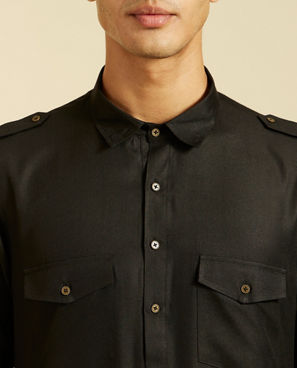
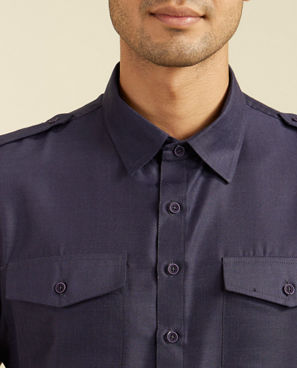
Cuff construction also matters: a well-finished cuff should lie flat, button or close cleanly, and hold its shape through a long function—details that separate a properly made full sleeve kurta from a simple sleeve extension.
How to style
Styling follows similar logic to other kurta categories but with a few specific considerations the sleeve length introduces.
-
Layering: A full sleeve kurta works particularly well under Nehru jackets, bandhgala coats, and structured overshirts—the sleeve fills out the layer cleanly without fabric bunching or gaps at the wrist. In winter, adding a stole over this kurta creates a very polished layered look because the sleeve provides a clean base for the fabric to rest on.
-
Bottom choices: Churidar and slim pyjamas work best with these kurtas for formal occasions—the structured silhouette of a churidar complements the completeness of a full sleeve. Chinos and slim trousers work for smart-casual settings where this kurta is styled more contemporarily. Dark denims can work with printed or casual kurtas for Indo-fusion looks, though the formality of a full sleeve naturally pushes this combination towards the smarter end of casual.
-
Accessories: Watches and kadas sit most naturally with these kurtas—the fabric cuff creates a clean backdrop for metal accessories that makes them look more deliberate and styled. Cufflinks can be used on some formal kurtas with button cuffs, adding a very precise finishing detail for reception-level dressing.
In a practical wardrobe
In a well-considered ethnic wardrobe, these kurtas represent your most complete and formally finished silhouette options. They're not necessarily the pieces you wear most often, but they're the ones that look most deliberately dressed when the occasion calls for it. A practical full sleeve wardrobe might include:
-
One plain or self-texture kurta in a neutral or classic colour for formal occasions and office events where a clean, structured look is the priority.
-
One printed or textured kurta for mid-level festive events and celebrations where expression and polish need to coexist.
-
One embroidered or chikankari kurta for the most significant evening functions where the combination of craft, fabric, and complete silhouette creates a look that genuinely matches the weight of the occasion.
Rotated with appropriate bottoms and footwear, these three pieces cover your full festive spectrum from office cultural days to reception-level evenings.
In photos and reels
Full sleeve kurtas photograph consistently better than shorter alternatives in formal and semi-formal contexts. The complete silhouette—clean from collar to cuff—creates strong, unbroken lines in full-length portrait shots. There are no awkward transitions between fabric and exposed skin, no questions about whether rolled sleeves are intentional or incidental, and no visual breaks that distract from the overall look.
In outfit reels and slow-pan videos, full sleeves move cleanly with the body, creating fluid, intentional movement rather than the static or uneven quality that shorter sleeves can produce. Under formal function lighting, embroidered or self-design f kurtas show their surface work consistently across the entire visible surface—including the sleeve—creating a more immersive, completely dressed impression in every frame.
For men who are particular about how their celebration looks translate to photos, videos, and long-term memories, this kurta is consistently the most reliable choice for looking genuinely complete and dressed from every angle.
Frequently Asked Question (FAQs)
1. Are full sleeve kurtas only for formal occasions?
No—while they carry more formality than shorter alternatives, kurtas in casual fabrics like cotton and linen, or with relaxed prints, work for everyday ethnic dressing, office cultural days, and semi-formal celebrations too.
2. Are full sleeve kurtas comfortable in warm weather?
Yes, in breathable fabrics like cotton and linen-blends; choose lighter-weight constructions and natural fibres for summer events and opt for heavier art silk or viscose blends for cooler evenings and indoor air-conditioned functions.
3. What bottoms work best with a full sleeve kurta?
Churidar and slim pyjamas for formal occasions; chinos and slim trousers for smart-casual styling; dark denims for casual Indo-fusion looks—the full sleeve's formality pushes all pairings towards the more considered end of the spectrum.
4. Can I wear a full sleeve kurta with a Nehru jacket or bandhgala?
Absolutely—these kurtas are the ideal base for structured ethnic layers; the sleeve fills out the jacket cleanly at the wrist, and the layered silhouette looks considerably more polished than a half-sleeve alternative would.
5. How do I keep full sleeve kurta cuffs looking neat through a long function?
Choose kurtas with well-finished, structured cuffs rather than simple hemmed ends; keep cuffs buttoned through the function; and use a steamer before wearing to ensure the sleeve length falls cleanly without creasing at the wrist.