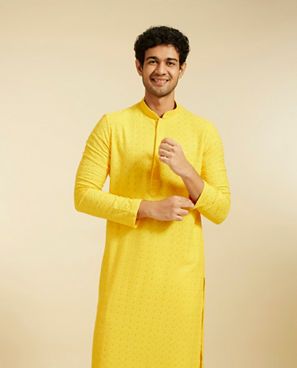
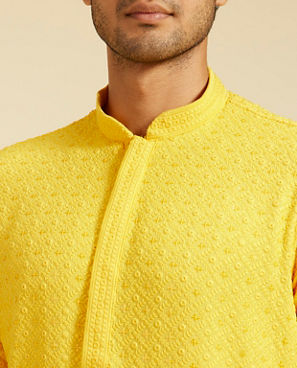
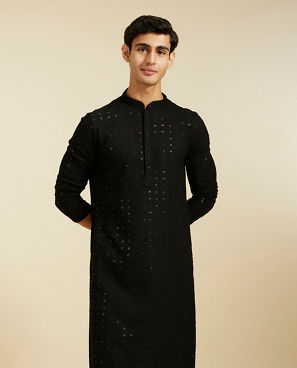
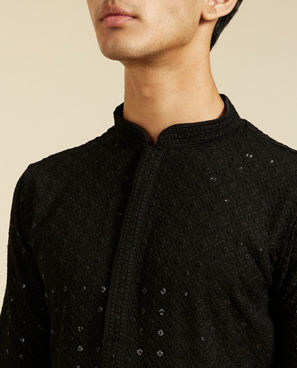
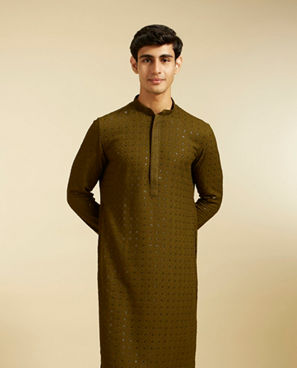
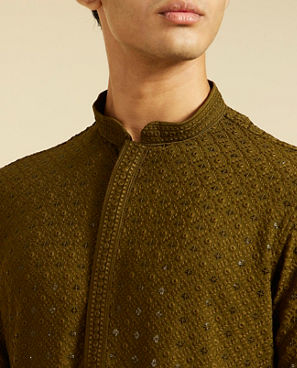
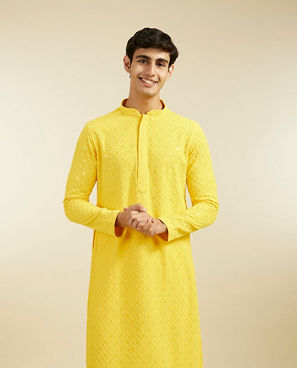
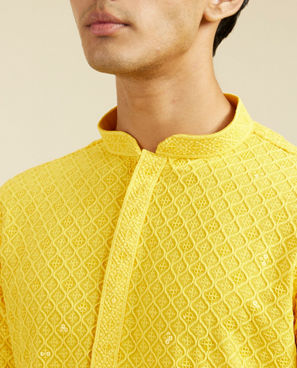
Chikankari kurta for men
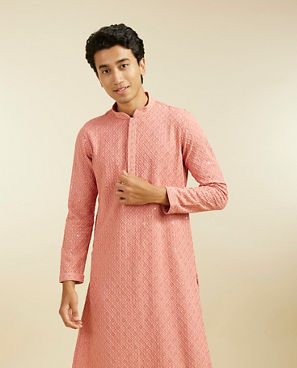
This chikankari kurta page is for days when you want your look to feel quietly detailed rather than loud. The embroidery adds a soft, textured layer over clean silhouettes, so each chikankari kurta can move from a small ceremony to a bigger function without looking out of place.
Instead of saving a chikankari embroidery kurta for just one event, you can treat it like a repeatable favourite. With a change of bottoms and footwear, the same piece works for a home pooja, a festive dinner, and even a pre‑wedding function where there will be lots of photos and videos.
Why chikankari embroidery fits celebrations now
A lot of people today prefer outfits that look thoughtfully made but still feel easy to wear for long hours. A chikankari kurta fits that need perfectly—its fine embroidery creates a rich surface, but the fabric underneath remains light and breathable.
Shoppers are drawn to this category because:
-
The threadwork adds depth without the bulk and stiffness of heavy embellishments.
-
One kurta can work for both daytime rituals and evening gatherings with only small styling tweaks.
-
The detailing shows up beautifully in close‑ups and social media reels without looking over the top.
-
You get colour options that feel calm (cream, beige, soft pastels) as well as more festive (green, blue), letting each person choose the mood that suits them.
This mix of comfort, craft, and versatility is why a chikankari kurta keeps finding space in modern wardrobes.
Fabrics that support chikankari work
Chikankari needs the right base fabric to really shine. The cloth has to be smooth enough for neat stitches, soft enough to wear all day, and strong enough to hold the pattern.
You’ll see chikankari embroidery kurta styles on:
-
Art silk and viscose blends, where a gentle sheen lifts the embroidery for festive settings.
-
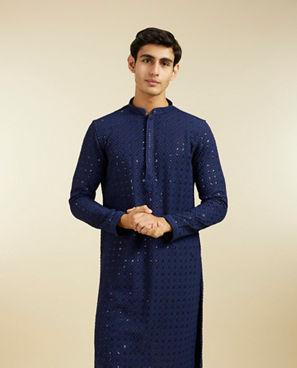
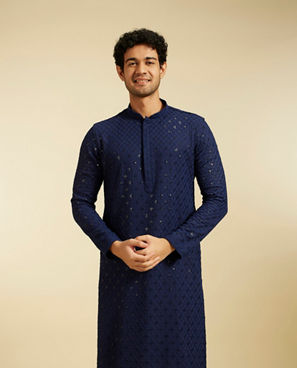
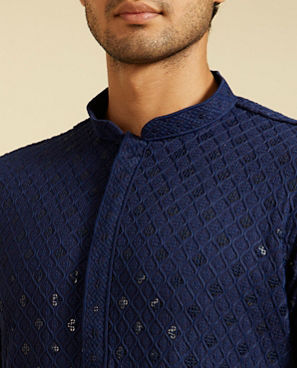
Viscose bases in deeper shades like blue, which drape well and let chikankari motifs sit flat across the front.
-
Soft blended fabrics used in kurta‑pyjama and kurta‑jacket sets, where the top carries chikankari work and the bottoms stay light and easy.
These fabrics help each chikankari kurta feel comfortable from the first ritual to the last conversation at the end of the day.
Embroidery patterns and placement
The personality of a chikankari embroidery kurta comes from both the stitches and the way they’re arranged. Even when the work is partly machine‑handled, the layouts echo classic Lucknow‑inspired designs.
Across this page and related styles you’ll notice:
-
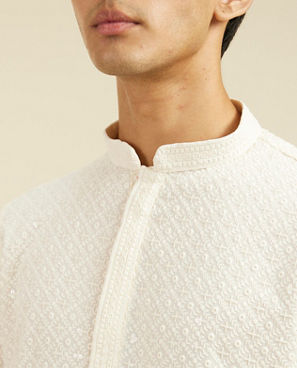
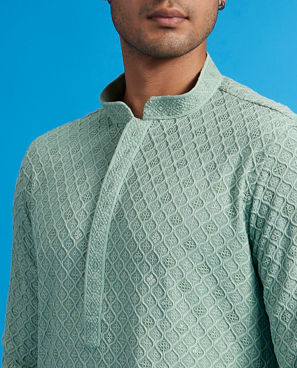
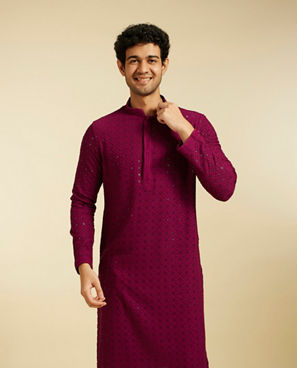
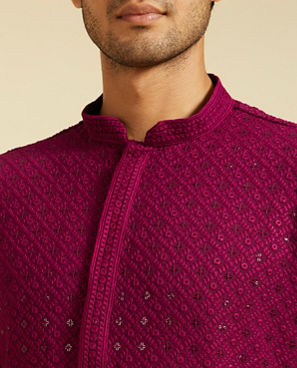
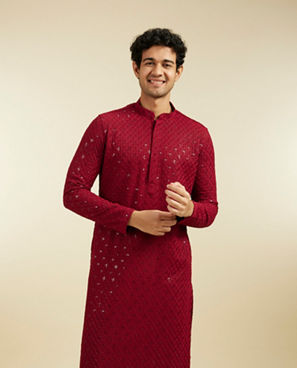
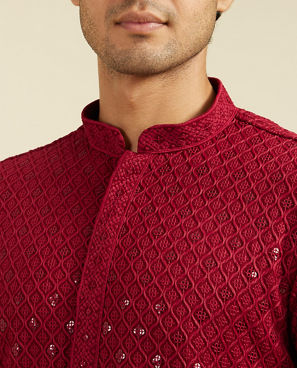
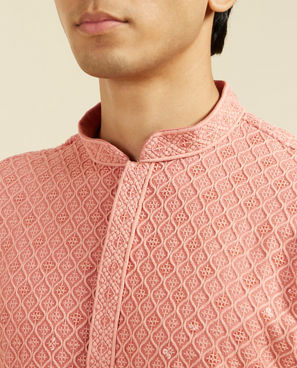
All‑over chikankari textures that cover the front in a soft, repeating pattern, giving a uniform, elegant look.
-
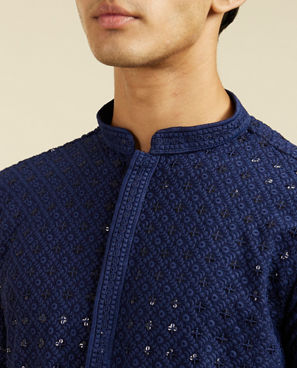
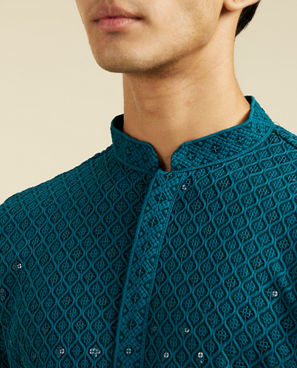
Yoke‑heavy placement, where dense work sits around the chest and placket, drawing attention upwards while the lower part of the kurta stays lighter.
-
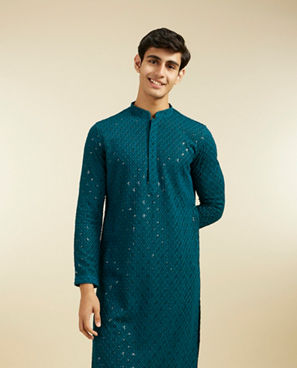
Geometric and floral combinations, sequinned mandarin‑collar kurtas, where heritage‑inspired motifs get a fresh, graphic feel.
-
Select pieces where the embroidery is paired with subtle sequins, adding a soft shimmer for evening sangeets and receptions.
This variety allows you to pick a chikankari kurta that matches how much detail you’re comfortable wearing—subtle for family rituals, or more expressive for bigger celebrations.
Colours that flatter chikankari
Chikankari shows best on shades that let the stitches breathe. On Diwas you’ll see chikankari embroidery kurta designs in both neutrals and richer tones, each bringing out the craft in a slightly different way.
Popular directions include:
-
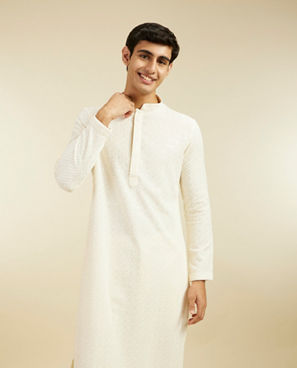
Cream and ivory, which give a soft, spotlight feel and work beautifully for day functions, engagement ceremonies, and house rituals.
-
Beige and warm off‑white, offering a slightly mellow alternative that pairs well with many bottom colours.
-
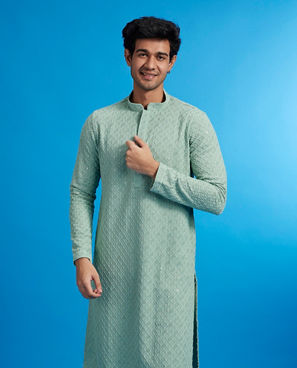
Blue and green bases, where chikankari and sequins add dimension and help the kurta stand out more in evening lighting.
A single neutral chikankari kurta in cream or beige can easily become your repeat piece for multiple events, while a coloured version can be your “special” option for bigger nights.
When to wear a chikankari embroidery kurta
One of the biggest advantages of this category is how easily it adapts to different kinds of functions. It feels just as natural at a compact family ritual as it does at a busy pre‑wedding event.
You might reach for it when you’re dressing for:
-
Griha pravesh, house poojas, and temple visits where you want something calm yet refined.
-
Festival days—Diwali, Eid, Raksha Bandhan—spent moving between relatives’ homes and group photos.
-
Haldi, mehendi, and roka functions, especially if you prefer softer embroidery over heavy metallic work.
-
Office festive days or ethnic events, styled with simple trousers and formal footwear.
Because the overall look of a chikankari kurta is elegant rather than flashy, repeating a favourite piece across these moments still feels appropriate.
Styling ideas
Styling decides whether your chikankari kurta feels relaxed, sharp, or something in between. With just a few changes in bottoms, footwear, and accessories, you can get multiple outfits from the same kurta.
Some easy combinations:
-
For daytime rituals: Pair a cream or beige kurta with white pyjamas and open sandals for a fresh, simple look.
-
For festival evenings: Choose a coloured chikankari kurta (like blue or green) with churidar and closed shoes to look a bit more dressed up in photos.
-
For pre‑wedding events: Style a kurta with chikankari and sequins with slim churidar, polished footwear, and a light stole if you like a layered feel.
-
For office or campus events: Wear a softer chikankari kurta with neutral trousers and loafers or sneakers, keeping accessories minimal for a clean, contemporary look.
A watch, kada, or simple ring is usually enough; the embroidery already does most of the visual work.
FAQs
1. What makes a chikankari embroidery kurta different from other embroidered kurtas?
A chikankari embroidery kurta uses fine, often tone‑on‑tone stitches that create a soft, textured look, offering detail without the bulk and stiffness of heavy embellishments.
2. Is a chikankari kurta comfortable for long functions?
Yes, most chikankari kurta designs use breathable bases like art silk blends or viscose, and the embroidery lies relatively flat, so you can stay comfortable through long rituals and celebrations.
3. Which colour of chikankari embroidery kurta is easiest to repeat?
Cream, ivory, and beige are the easiest to repeat across rituals, festivals, and wedding events, and they pair well with many bottom colours.
4. Can I wear a chikankari kurta for evening events as well?
Definitely; deeper shades like blue and green, or styles with a touch of sequin, look especially good under evening lighting and can be styled with richer footwear and accessories.
5. How do I style a chikankari kurta in a more modern way?
Pair it with slim trousers or denims, opt for clean sneakers or loafers, and keep accessories minimal so the chikankari embroidery remains the hero of the outfit.
6. How should I care for a chikankari embroidery kurta?
Use mild detergent and cool water, avoid harsh wringing, and dry in shade; for pieces with denser detailing or sequins, following the care label or occasional professional cleaning helps maintain the finish.