STORIES BY DIWAS

Lifestyle
Why Gudi Padwa Is Celebrated: Traditions, Meaning and New Beginnings in 2026
Date 18 March 2026 Reading time: 7-10 mins
Gudi Padwa marks that special morning when the year feels brand new—doors are flung open, crisp air flows in, and the first rays of the sun fall on a beautifully adorned Gudi fluttering in the breeze. For Marathi and Konkani communities, it is not just another festival; it is the New Year itself, a fresh page filled with hope, faith and quiet determination. In 2026, Gudi Padwa falls on Thursday, 19 March, welcoming the Parabhava Nama Samvatsara with prayers for prosperity, health and success.
Even in fast‑paced city lives—with early office calls, school runs and exam timetables—families still carve out time to wake up early, bathe, draw rangoli, hoist the Gudi and sit together for a simple yet heartfelt puja. It is this beautiful balance of tradition and modernity that keeps Gudi Padwa deeply relevant in 2026.
What is Gudi Padwa and when is it celebrated?
Gudi Padwa is celebrated on the first day of the Chaitra month according to the Hindu lunisolar calendar and is considered the beginning of the New Year for many in Maharashtra, Goa and parts of Karnataka and Andhra Pradesh. The term “Gudi” refers to the distinctive victory flag or staff dressed in silk, leaves and a kalash, while “Padwa” (from “Pratipada”) denotes the first day of the lunar fortnight.
In 2026, Gudi Padwa arrives on 19 March, with astrologers and almanacs marking it as one of the most auspicious dates of the year for starting new ventures, signing important documents or making long‑term commitments. Families often align housewarming ceremonies, vehicle purchases or business openings around this period, believing that beginning under such a shubh tithi invites positive energy into their plans.
Across cities, towns and villages, the rhythm of the day is similar: an early snan (bath), cleaning and decorating the home, hoisting and worshipping the Gudi, preparing festive dishes and visiting loved ones to share wishes for the New Year.
Why Gudi Padwa is celebrated: legends and symbolism
Gudi Padwa’s significance is layered with several timeless legends, each adding depth to the festival's revered place in Marathi culture.
Creation of the universe by Lord Brahma
One widely cherished belief is that on this very day, Lord Brahma created the universe and set time into motion. Because of this, Gudi Padwa is considered the “birthday” of the universe and an inherently natural point to mark new beginnings, both cosmic and personal. When families mark this day with puja and rituals, they are symbolically aligning their own lives with this cycle of renewal.
Victory of good over evil
Another tradition connects Gudi Padwa to Lord Rama’s victorious return to Ayodhya after defeating Ravana. The raised Gudi is seen as a banner of victory and righteousness, celebrating the triumph of dharma over adharma and reminding people that perseverance, courage, and integrity ultimately win. In 2026, this story continues to resonate in quieter ways—families may reflect on personal challenges overcome in the past year and step into the new Samvatsar with renewed strength.
Honouring Chhatrapati Shivaji Maharaj
In Maharashtra, Gudi Padwa is also associated with the victories of Chhatrapati Shivaji Maharaj and the rise of Maratha pride. The Gudi is sometimes interpreted as a symbol of this valour and self‑respect—a proud flag raised high to declare freedom, resilience, and an unbroken spirit. For many, this connects the festival to regional identity and a sense of gratitude towards the legacy they inherit.
- Together, these legends give Gudi Padwa its emotional core: it is a celebration of creation, courage, and new beginnings, encouraging people to step into the year with faith in their values and confidence in their path.
The Gudi: more than just a festive flag
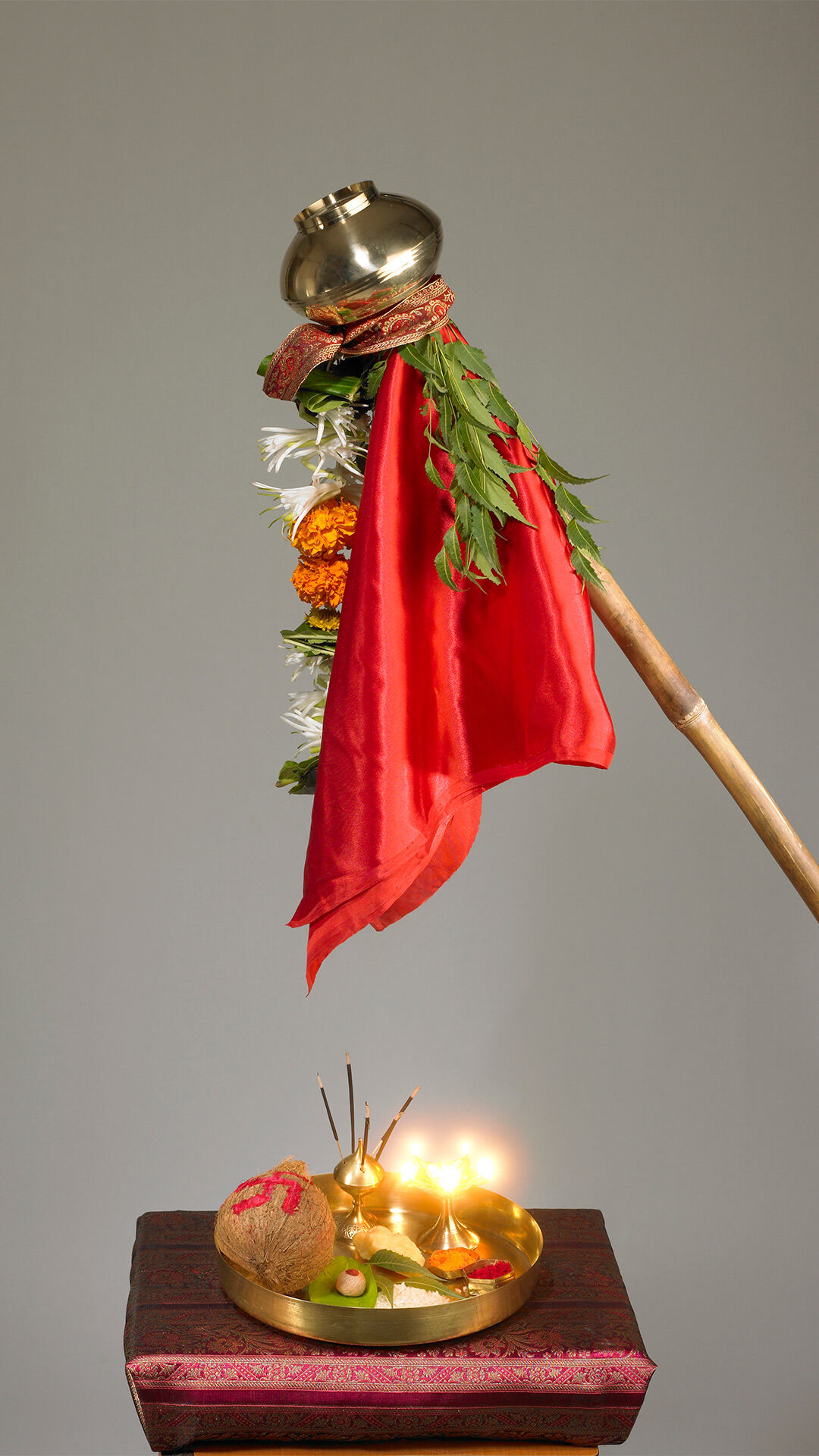
The Gudi that stands proudly at windows, balconies, and doorways on this day is a beautiful composition of elements, each chosen with intention. Typically, it includes:
- A tall bamboo stick: Representing resilience and the ability to bend without breaking, bamboo serves as the spine of the Gudi.
- A bright silk cloth: Often yellow, red or green, the silk cloth is tied near the top of the bamboo, symbolising auspiciousness, joy, and prosperity.
- Neem and mango leaves: Bundles of fresh leaves are tied below the cloth—neem is associated with immunity and protection, while mango leaves signify fertility and abundance.
- A flower garland: Marigolds and other flowers add fragrance, colour, and devotion, inviting beauty and positivity into the home.
- An inverted kalash: A silver or copper pot placed upside‑down crowns the Gudi, signifying fullness, divine grace, and the idea that blessings are overflowing.
The Gudi is usually placed on the right side of the main entrance or a balcony, facing outward as if greeting the world with good news. The act of assembling it becomes a family ritual in itself—someone polishes the kalash, another arranges the cloth, children hand over leaves and flowers, and together they raise this symbol of victory and hope.
In apartment living, people adapt creatively: Gudis appear on window railings, inside living rooms near the puja corner, or on shared terraces where neighbours gather to perform a small aarti together.
Rituals and the “day‑in‑the‑life” of Gudi Padwa 2026
Gudi Padwa rituals weave devotion seamlessly into daily life, turning ordinary actions into meaningful gestures.
The day often begins before sunrise with a snan, which may include traditional ubtan or herbal scrubs made from ingredients like besan, turmeric, and sandalwood. This is believed to purify the body and prepare it to receive auspicious energies. Homes are then swept, mopped, and decorated with rangoli at the entrance, sometimes featuring motifs of the sun, flowers, or the Gudi itself. Torans of mango leaves and marigold garlands adorn doorframes, signalling that a festival is being welcomed inside.
The hoisting of the Gudi is the central ritual of the morning. Once it is assembled and raised, family members gather with a thali containing turmeric, kumkum, rice, flowers, and a diya. An aarti is performed, mantras are chanted, and the Gudi is offered respects as a symbol of divine protection and new beginnings for the year.
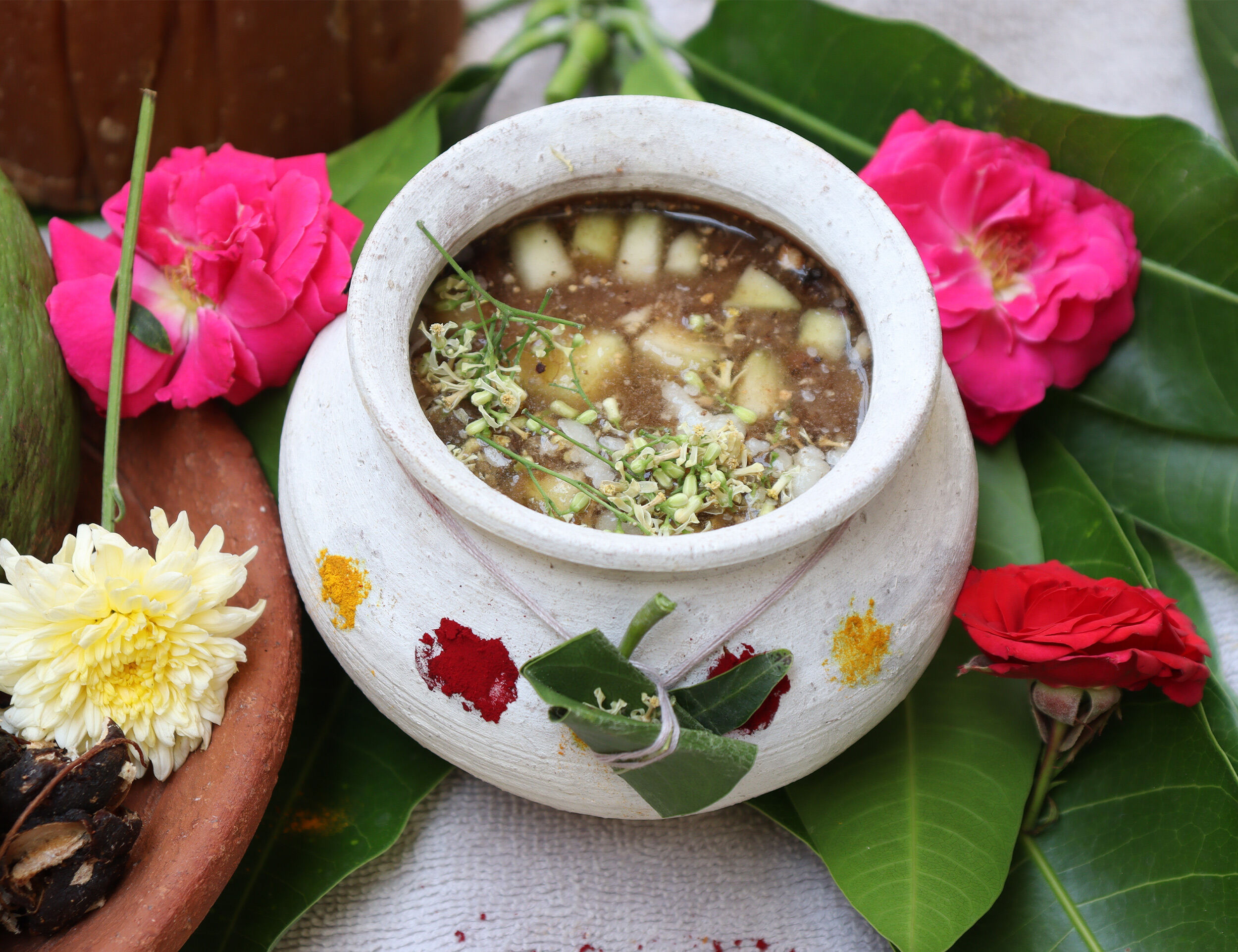
Many families also follow the tradition of eating a bittersweet mix—often combining neem leaves with jaggery and sometimes other ingredients like tamarind or spices. This mixture represents the blend of experiences life brings: the bitter and the sweet, the challenges and the joys. Starting the year with this gesture becomes a gentle reminder to accept and learn from all that comes our way.
The rest of the day is filled with visits to temples, exchanging New Year wishes with friends and relatives, and enjoying special dishes like puran poli, shrikhand and other festive favourites. In many housing societies and community spaces, people organise cultural events, group aartis or small gatherings where children perform songs and dances dedicated to the festival.
For young professionals and students in 2026, the day may involve balancing an early-morning puja at home with later responsibilities at work or college, but the essence remains: starting the year with a sense of rootedness and gratitude.
Gudi Padwa across regions and in the diaspora
While Gudi Padwa is most closely associated with Maharashtra and Goa, the same day is mirrored by New Year celebrations across different states. In Andhra Pradesh and Telangana, the festival is known as Ugadi, and in Karnataka it is celebrated as Yugadi—both names referring to the beginning of a new age or yuga. These festivals share similar themes: cleaning homes, drawing rangolis, preparing traditional dishes, and eating a bittersweet mix to symbolise life’s many flavours.
Beyond India’s borders, Maharashtrian and South Indian communities continue to mark the day in countries around the world. Some families hoist smaller Gudis on apartment balconies in global cities, while others recreate the feel with decorative versions inside their homes. Online aartis and video calls with parents or grandparents back home have become a new tradition, allowing blessings and rituals to travel across time zones.
Community organisations abroad may host Ugadi/Gudi Padwa events with cultural performances, potluck meals, and simple pujas, giving younger generations who grew up outside India a chance to experience the festival’s atmosphere. In every version, the heart of the celebration remains the same: welcoming a new year with gratitude, reverence, and connection.
Gudi Padwa and the spirit of new beginnings
What makes Gudi Padwa especially meaningful in 2026 is how naturally it lends itself to the idea of pressing a “reset button” on life. While major milestones like buying a home or starting a business may be aligned with this auspicious period, the festival is equally powerful for quieter resolutions.
For some, Gudi Padwa becomes the day to start a new savings plan, sign up for a long‑delayed course or commit to a daily habit like meditation, reading or exercise. For others, it might be about emotional fresh starts—reaching out to someone after a misunderstanding, consciously spending more quality time with family or decluttering a home to invite lighter energy into their space.
Because the festival is so deeply rooted in stories of creation and victory, it offers a psychological anchor: if the universe itself was once created on this day, and if great leaders once raised flags of courage, then our small steps towards growth and healing also carry weight and meaning. The rituals, food, conversations and even the act of dressing up in something new all become tools to signal to ourselves that we are ready to embrace the coming year with intention.
Diwas by Manyavar: celebrating everyday beginnings
Clothing plays a quiet but important part in how we experience the festival. Many people like to start the New Year with something fresh—whether it’s a new kurta, a thoughtfully chosen outfit from the wardrobe, or simply a garment that feels special and comfortable.
Diwas by Manyavar is made for exactly these “everyday beginnings”—from Gudi Padwa and small home pujas to family lunches, office celebrations, and weekend get‑togethers through the year. By offering versatile, easy‑to‑wear festive pieces, Diwas becomes part of a modern ritual: dressing in a way that honours tradition yet fits seamlessly into contemporary schedules and spaces.
Whether you choose to mark Gudi Padwa 2026 with a full traditional celebration or a simpler, more personal observance, the spirit remains the same: step into the year feeling grounded, hopeful, and ready to welcome all the colours and experiences it brings.
As the Gudi flutters against the March sky, it quietly reminds you that each New Year is another chance to begin again—with more wisdom, more warmth, and more celebration in every Diwas that follows.

Made In India

Assured Quality

Secure Payments